Major Carriers Still Betting on Diesel Through 2030s
Survey of large for-hire fleets shows diesel expected to remain dominant fuel despite electric and alternative-fuel push.


Will diesel still power most trucks in five years?
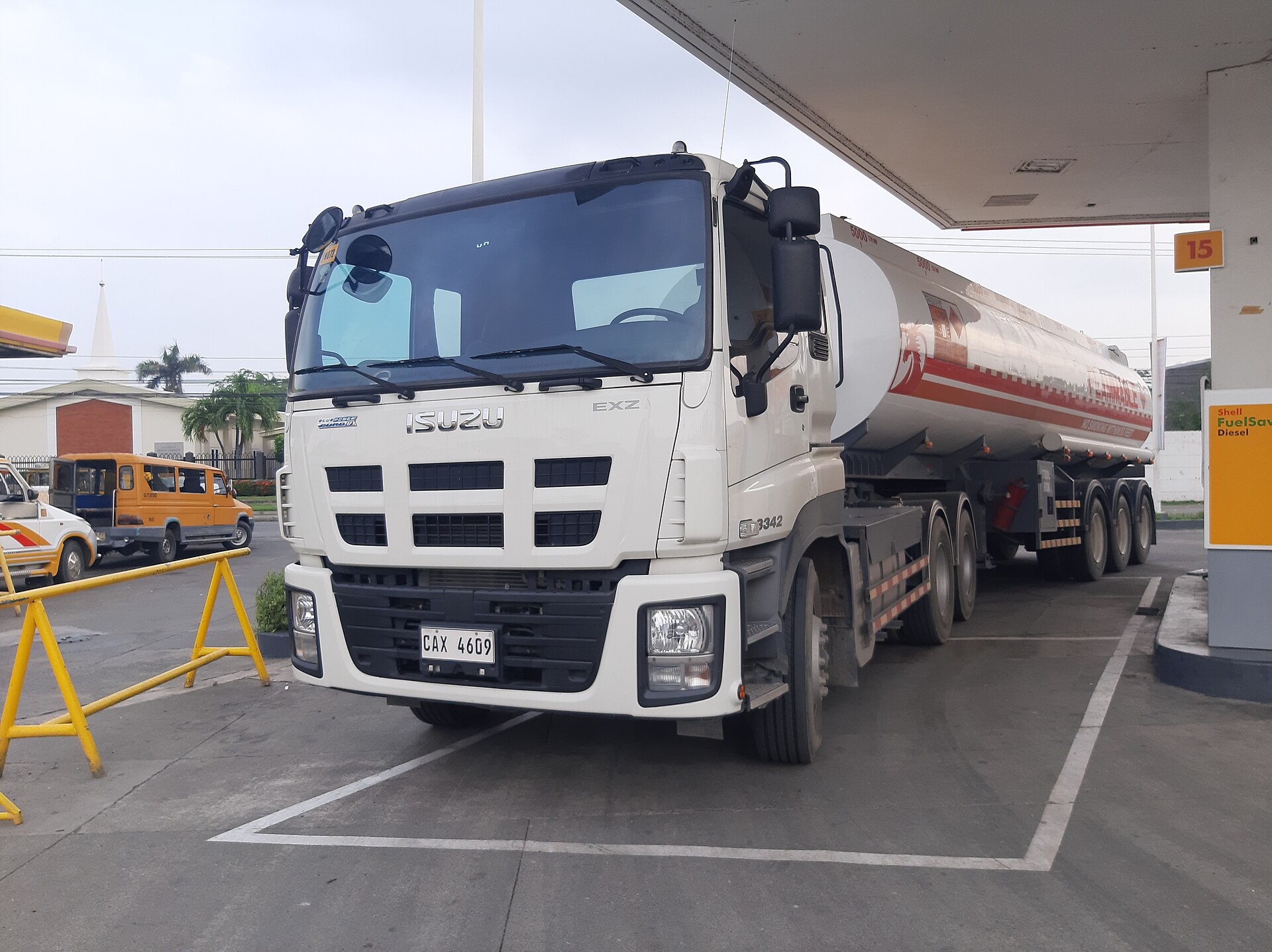
Yes, according to a new survey of major for-hire carriers. Prominent motor carriers expect diesel to remain the trucking industry's predominant fuel well into the future, even as equipment makers roll out electric and alternative-fuel options.
The finding matters for small fleets and owner-operators because it signals where fuel infrastructure investment will continue to flow. If the largest carriers are planning diesel-heavy fleets through the 2030s, truck stops, fuel card networks, and maintenance shops will keep prioritizing diesel service over charging stations or hydrogen fueling in most markets.
The survey did not specify which carriers participated or provide a breakdown of fleet size, but the respondents represent the for-hire segment, the portion of the industry that hauls freight under contract or on the spot market rather than operating private fleets for a single shipper.
What this means for fuel prices and availability
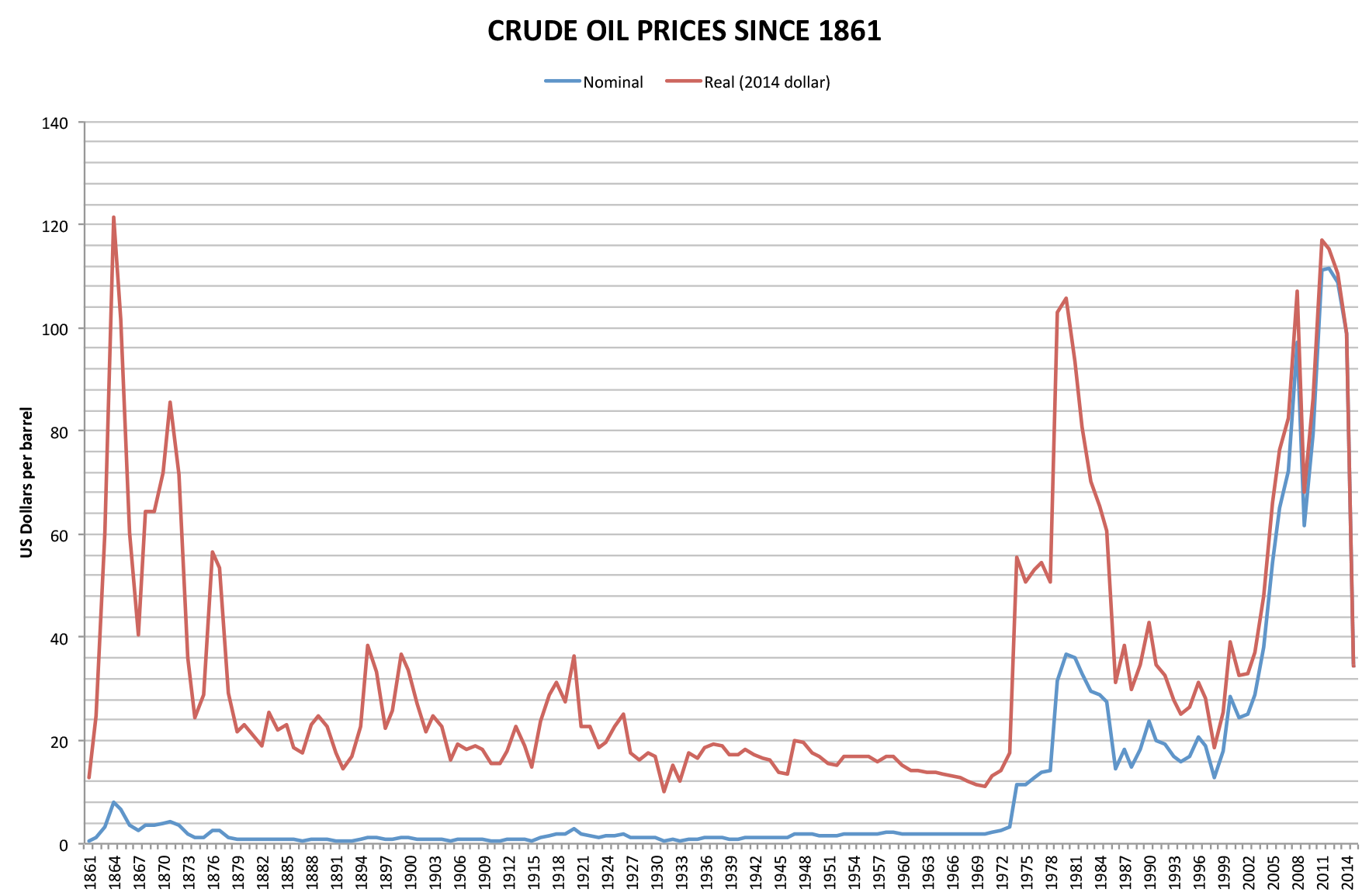
Diesel demand from trucking drives a significant portion of U.S. refinery output. If major carriers continue running diesel-powered fleets at scale, refineries have less incentive to shift production capacity toward other fuels or reduce diesel output. That keeps supply steady but also means diesel price swings, like the 50% jump during the Iran conflict earlier this year, will continue to hit settlement statements hard.
For a five-truck fleet running 100,000 miles per year per truck at 6 mpg, a 50-cent-per-gallon diesel spike costs an extra $41,667 annually if fuel surcharges don't cover the full increase. The survey suggests that exposure isn't going away.
Why carriers are sticking with diesel
The survey did not detail the reasons carriers cited for their diesel preference, but industry-wide factors include range, refueling time, upfront equipment cost, and payload capacity. A Class 8 diesel tractor costs $150,000 to $180,000 new. Battery-electric equivalents start around $350,000 and carry 8,000 to 12,000 pounds less payload due to battery weight. For a small fleet running tight margins, that cost and capacity gap is prohibitive.
Hydrogen fuel-cell trucks remain in pilot programs with limited fueling infrastructure. Renewable diesel and biodiesel blends use existing diesel engines and fuel systems, but supply is constrained and pricing volatile.
The infrastructure lock-in
If the largest carriers plan diesel fleets through the 2030s, fuel stop operators and truck service networks will follow. Pilot, Love's, and TA have announced electric charging pilots, but the bulk of their capital spending remains on diesel lanes. For an owner-operator running irregular routes, that means diesel will stay the safest fuel choice for availability, even if per-gallon cost remains volatile.
The survey also indirectly signals where used truck values will hold. If major carriers keep ordering diesel tractors, the secondary market for three- to seven-year-old diesel equipment stays liquid. A small fleet buying used can expect parts availability and resale value to remain stable for diesel units purchased today.
What changes for a 10-truck fleet
Nothing immediately. The survey confirms what most small fleets already assumed: diesel remains the default fuel for over-the-road work. But it also means fuel cost volatility is a permanent planning variable. Fleets without fuel surcharge protection in their contracts need to budget for swings of 30 to 50 cents per gallon, as seen in the past year.
It also means electric and alternative-fuel equipment will remain a niche choice for at least the next five years. If you run dedicated regional routes with predictable mileage and access to overnight charging, battery-electric might pencil. For everyone else, diesel is the only fuel with the infrastructure and equipment supply to support daily dispatch.