Brent Crude Dips to $87.18 After 5% Surge on Hormuz Uncertainty
Oil settled 0.6% lower Aug. 11 after Monday's jump. Strait reopening timeline still unclear.


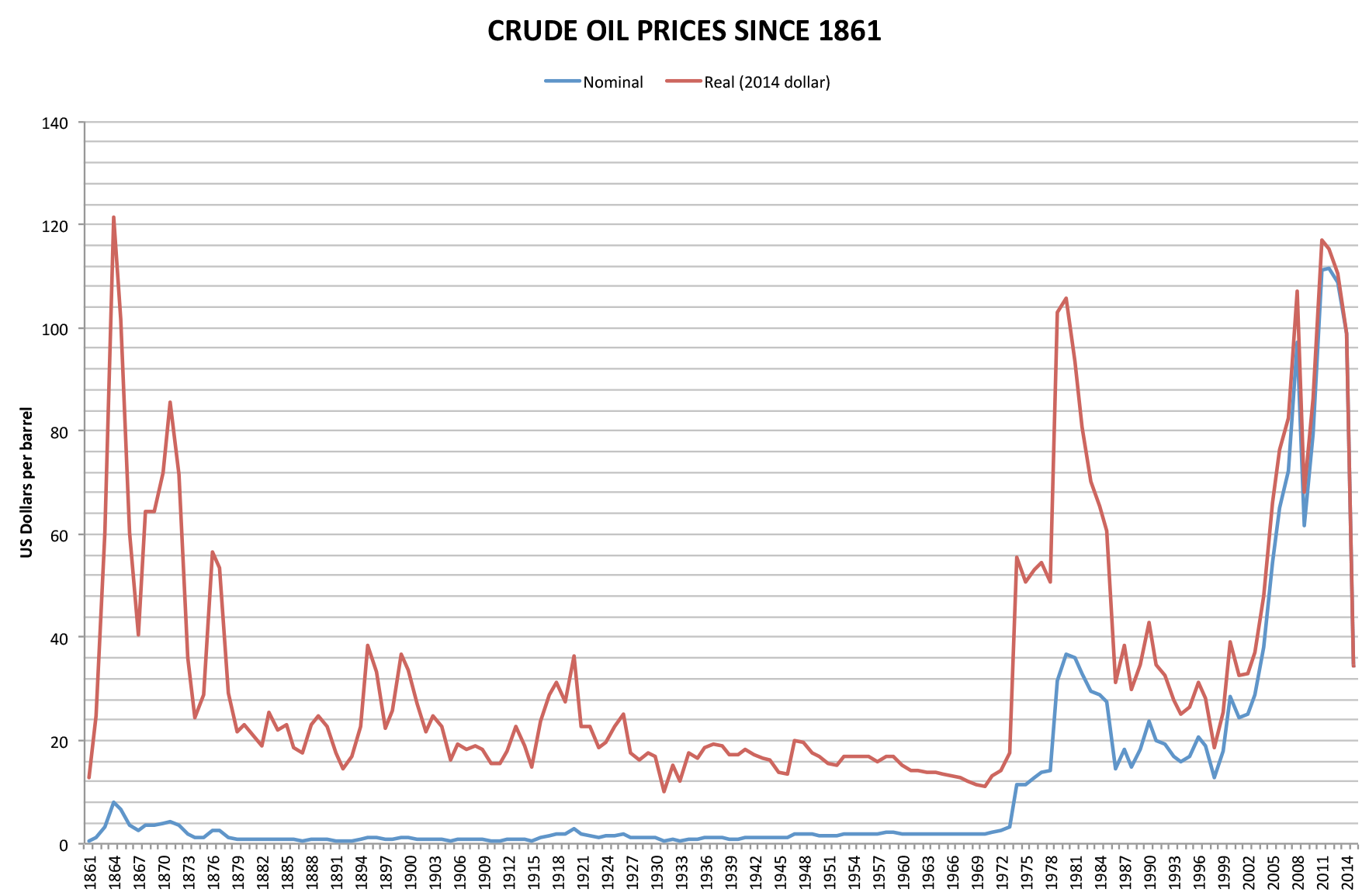
Brent crude oil settled at $87.18 a barrel on Aug. 11, down 0.6% from the prior session's close, after surging 5% on Aug. 10 amid uncertainty over when the Strait of Hormuz may reopen.
Why did oil prices spike 5% on Aug. 10?
The 5% single-day surge reflected renewed concern over the Strait of Hormuz closure, which has kept Middle East crude landlocked since late May. The Aug. 10 jump pushed Brent above $87 before settling back the following day. The Aug. 11 dip erased only a fraction of Monday's gain, leaving crude roughly $7 higher than the $80 level it touched in mid-June when markets briefly priced in a faster reopening.
For small fleets, the Aug. 10 spike translates to renewed upward pressure on diesel. Refiners pay spot crude prices today for fuel that hits the rack in 10 to 14 days. A $4 move in Brent typically adds 9 to 10 cents per gallon at the pump within two weeks. Fleets that locked fuel cards or negotiated surcharge floors in early August are insulated through the current billing cycle. Those buying retail diesel or running on floating surcharges will see the Aug. 10 jump show up in settlement statements by late August.
The Strait of Hormuz has been closed to commercial tanker traffic since late May, choking off roughly 21 million barrels per day of crude and refined product exports. OPEC+ raised July production quotas in early June, but the additional barrels remain landlocked as long as the Strait stays shut. U.S. crude inventories have dropped sharply in response, falling 17.8 million barrels in a single week in late May, the largest weekly draw on record. Cushing storage tanks, the delivery point for U.S. crude futures, have drained near minimum operating levels, tightening diesel feedstock and pushing refinery input costs higher.
What the Aug. 11 pullback means for diesel buyers
The 0.6% decline on Aug. 11 does not reverse the Aug. 10 surge. Brent remains elevated compared to the $78 to $80 range that prevailed in mid-June, when markets briefly priced in a faster Strait reopening. The Aug. 11 settlement at $87.18 is still $6 to $9 above the levels that drove diesel prices in early June, before the Hormuz closure extended into its third month.
Fleets running 10 to 50 trucks typically burn 1,500 to 7,500 gallons per week. A sustained $6 increase in Brent translates to roughly 14 cents per gallon at the diesel pump, or $210 to $1,050 per week in added fuel cost for that range. The Aug. 10 spike and Aug. 11 pullback together leave crude roughly $4 higher than the brief dip in mid-June, meaning the fuel bill for a 25-truck fleet is running about $525 per week higher than it was two months ago, assuming 3,750 gallons weekly consumption and a 14-cent-per-gallon passthrough.
Owner-operators and small fleets without fuel surcharge agreements absorb the full increase. Those with percentage-based surcharges tied to the DOE index will see the Aug. 10 jump reflected in surcharge adjustments within two to three weeks, depending on contract language. Fleets that negotiated fixed fuel surcharge floors in early summer are protected only if the floor was set above current diesel levels. A floor negotiated at $4.00 per gallon in June offers no protection now that retail diesel in many markets has climbed past $4.30.
The uncertainty over the Strait reopening timeline keeps crude volatile. Markets have priced in multiple false starts since late May. Each time a reopening date circulates, crude dips. When the date passes without tanker movement, crude surges again. The Aug. 10 spike and Aug. 11 pullback fit that pattern. Until tankers actually move through the Strait, crude will swing on rumors and diesel will follow.
How long elevated crude lasts
The Aug. 11 settlement at $87.18 is down from the $103-plus levels Brent hit in late May, immediately after the Strait closure, but it remains well above the $70 to $75 range that prevailed before the crisis. The difference between $87 crude and $75 crude is roughly 28 cents per gallon of diesel at the pump. For a 10-truck fleet burning 1,500 gallons per week, that gap costs $420 weekly, or $1,680 per month.
Crude prices will stay elevated as long as the Strait remains closed and U.S. inventories stay tight. Cushing tanks are near minimum operating levels, meaning refiners have little cushion to absorb supply shocks. The U.S. has ramped up crude and fuel exports to offset the loss of Middle East supply, with record crude and fuel shipments in April helping shrink the trade deficit. But domestic exports tighten supply at home, keeping upward pressure on diesel even when Brent pulls back modestly.
Small fleets planning fuel budgets for the next 60 days should assume diesel stays elevated until the Strait reopens and tanker traffic resumes. The Aug. 11 dip does not signal a return to pre-crisis pricing. It reflects a single day of profit-taking after a 5% surge, not a structural shift in supply. Fleets that deferred fuel purchases hoping for a sustained drop will likely pay more by waiting. Those that locked surcharge agreements or fuel card rates in early August before the Aug. 10 spike are insulated through the current billing cycle but will face reset negotiations in September if crude stays above $85.