Amazon Relay Carrier Had 2 Months Authority When Crash Occurred
Lawsuit alleges Amazon assigned loads to Road Warriors Logistic 120 days short of its own 180-day authority requirement before October 2024 New Mexico collision.


Did Amazon follow its own carrier vetting rules before the New Mexico crash?
Amazon assigned freight to Road Warriors Logistic in July 2024 when the carrier had roughly 60 days of reinstated operating authority, 120 days short of Amazon's published 180-day minimum, according to a lawsuit filed after a three-vehicle collision on Interstate 40 in New Mexico. The carrier's authority had been involuntarily revoked in May 2022 and reinstated May 8, 2024. By July, Road Warriors was hauling Amazon Relay loads.
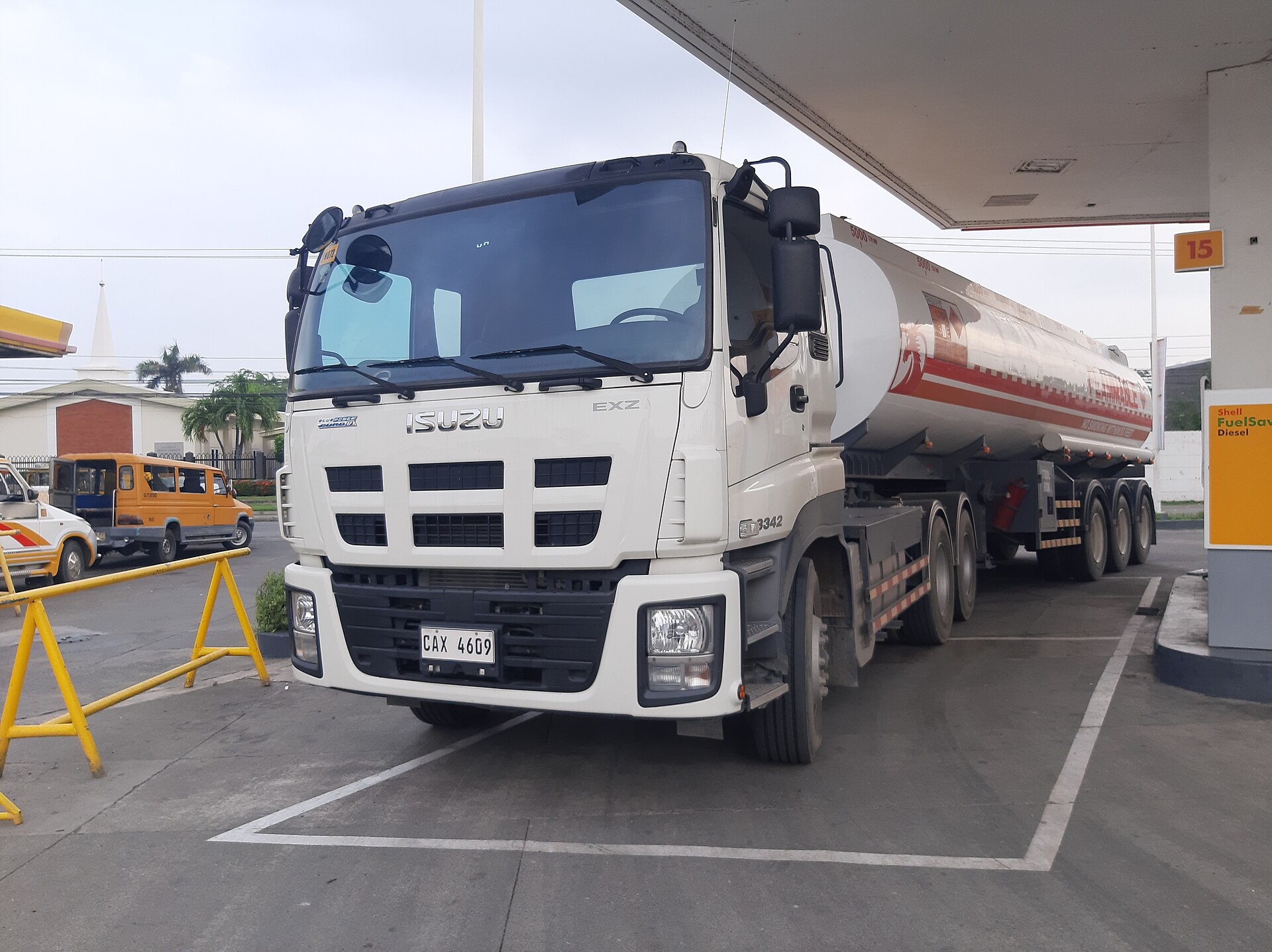
The October 25, 2024 crash injured three people when driver Harmanpreet Singh lost control of a Road Warriors tractor pulling an Amazon trailer, crossed the median, struck another commercial truck, and jackknifed across both eastbound lanes. New Mexico State Police cited Singh for careless driving. The investigating officer wrote that the truck crossed the median "for unknown reasons."
The amended complaint filed in July 2025 centers on whether Amazon followed the carrier selection standard it had set for itself. Amazon's public 2023 Relay requirements specified a minimum of 180 days of active authority. The plaintiffs allege Road Warriors began hauling Amazon freight with only about two months of reinstated authority.
Why interrupted authority matters for carrier vetting
"A written policy gives employees a rule to follow and gives a jury a rule to measure them against," said Cassandra Gaines, a transportation attorney and expert witness specializing in broker liability and carrier selection. "If a carrier does not meet that rule, the question becomes who allowed the load to move and why."
Authority history helps brokers and shippers assess a carrier's operating experience and the safety record available for review, Gaines said. Limited or interrupted authority may leave less recent history to evaluate, and an interruption calls for a closer look at why it occurred. That is why many companies make a minimum period of active consistent authority a firm eligibility requirement.
Road Warriors received operating authority in May 2021. That authority was involuntarily revoked in May 2022, according to the complaint. The plaintiffs allege the carrier had its authority reinstated May 8, 2024, giving it roughly 60 days of active authority when it began hauling Amazon Relay freight in July.
Safety violations accumulated before the crash
The complaint describes safety concerns that allegedly developed between July and the October collision. It identifies hours of service violations in July and August 2024, six vehicle maintenance violations on September 13, and a September 30 crash while the carrier was operating for Amazon Relay. The timeline also lists an unsafe driving violation and three maintenance violations on September 30.
Another unsafe driving violation allegedly occurred October 7, 18 days before the crash involving the plaintiffs. The plaintiffs argue that the available information should have prompted Amazon to investigate the carrier's safety fitness before continuing to entrust it with freight and equipment.
The lawsuit also alleges Amazon exercised extensive control over transportation through load assignments, delivery appointments, routing expectations, performance monitoring, and the ability to restrict access to future freight. The plaintiffs allege Amazon personnel intervened when shipments were delayed, communicating with drivers and dispatchers, changing schedules, and arranging replacement equipment or drivers. Those allegations underpin the plaintiffs' effort to hold Amazon responsible for the conduct of Road Warriors and Singh.
What written vetting standards mean for brokers and shippers
Gaines developed the CAVRA Carrier Vetting Industry Standard to help companies build practical carrier selection and monitoring policies. Her advice to brokers and shippers is to examine whether their procedures work under everyday operational pressure.
"Write rules your business can actually follow, train the people assigning freight and make the escalation decision before the load moves," Gaines said. "If you repeatedly depart from your own written standard, the policy becomes evidence of what your company knew it should have done."
The allegations have not been established by the complaint itself. Defense responses were not included in the materials reviewed for this article.
The cost of carrier selection shortcuts
For small fleets and owner-operators, the case illustrates the liability exposure brokers and shippers face when carrier vetting breaks down. When a shipper's written standard says 180 days of active authority but loads move to a carrier with 60, the gap becomes a courtroom question: who approved the exception and why.
The same scrutiny applies to ongoing monitoring. A carrier that racks up hours-of-service violations, maintenance violations, and a crash in a three-month window is generating red flags visible in public safety data. Whether those flags trigger action depends on whether the broker or shipper has a monitoring process that works under operational pressure, not just on paper.
For carriers, the takeaway is simpler: your authority history, your safety score, and your violation record are not background noise. They are the first three things a serious broker checks, and the first three things a plaintiff's attorney will pull if your truck is involved in a crash while hauling someone else's freight.