Flatbed Spot Rates Jump 5 Cents in Biggest Weekly Gain Since 2008
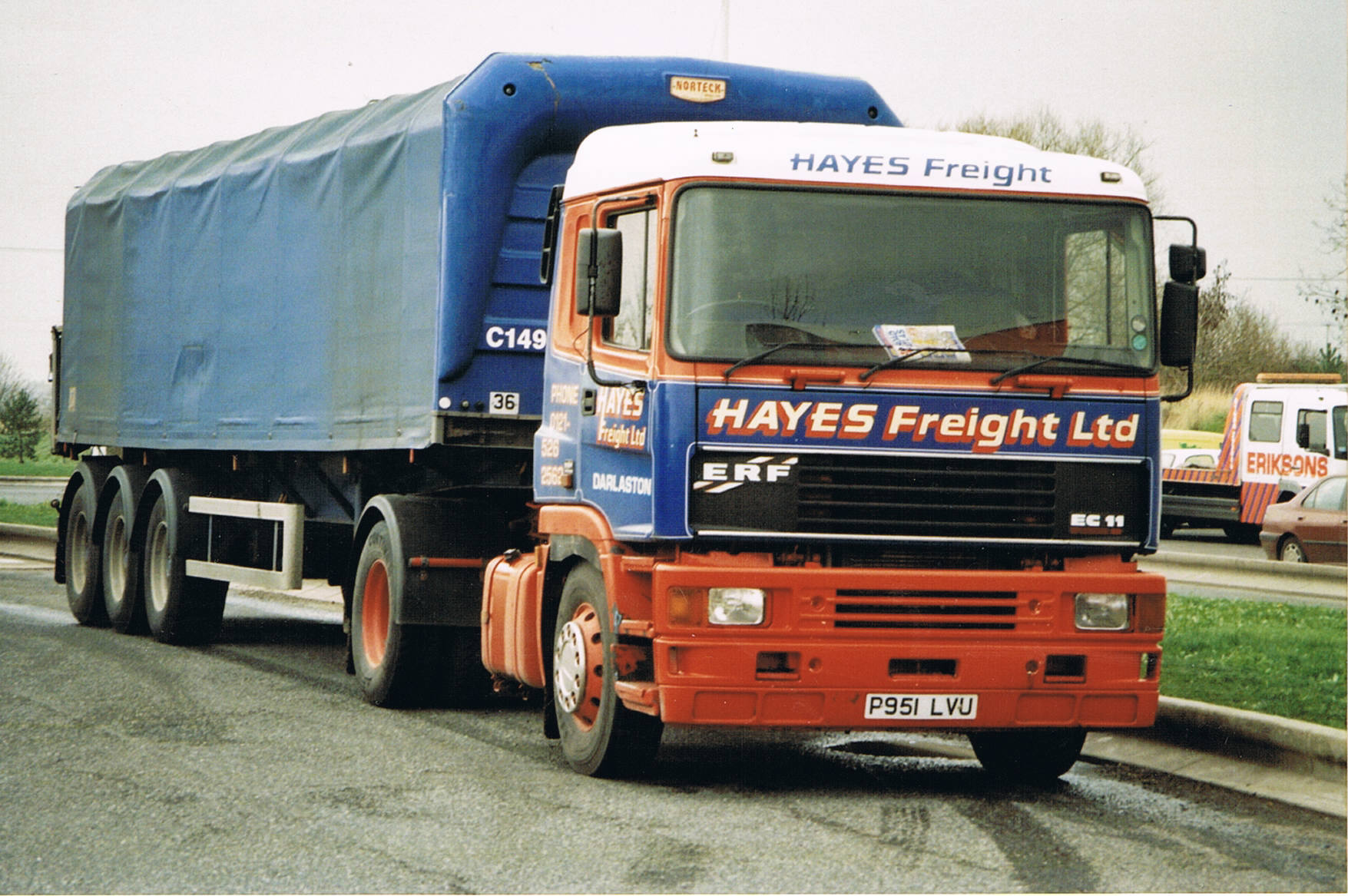
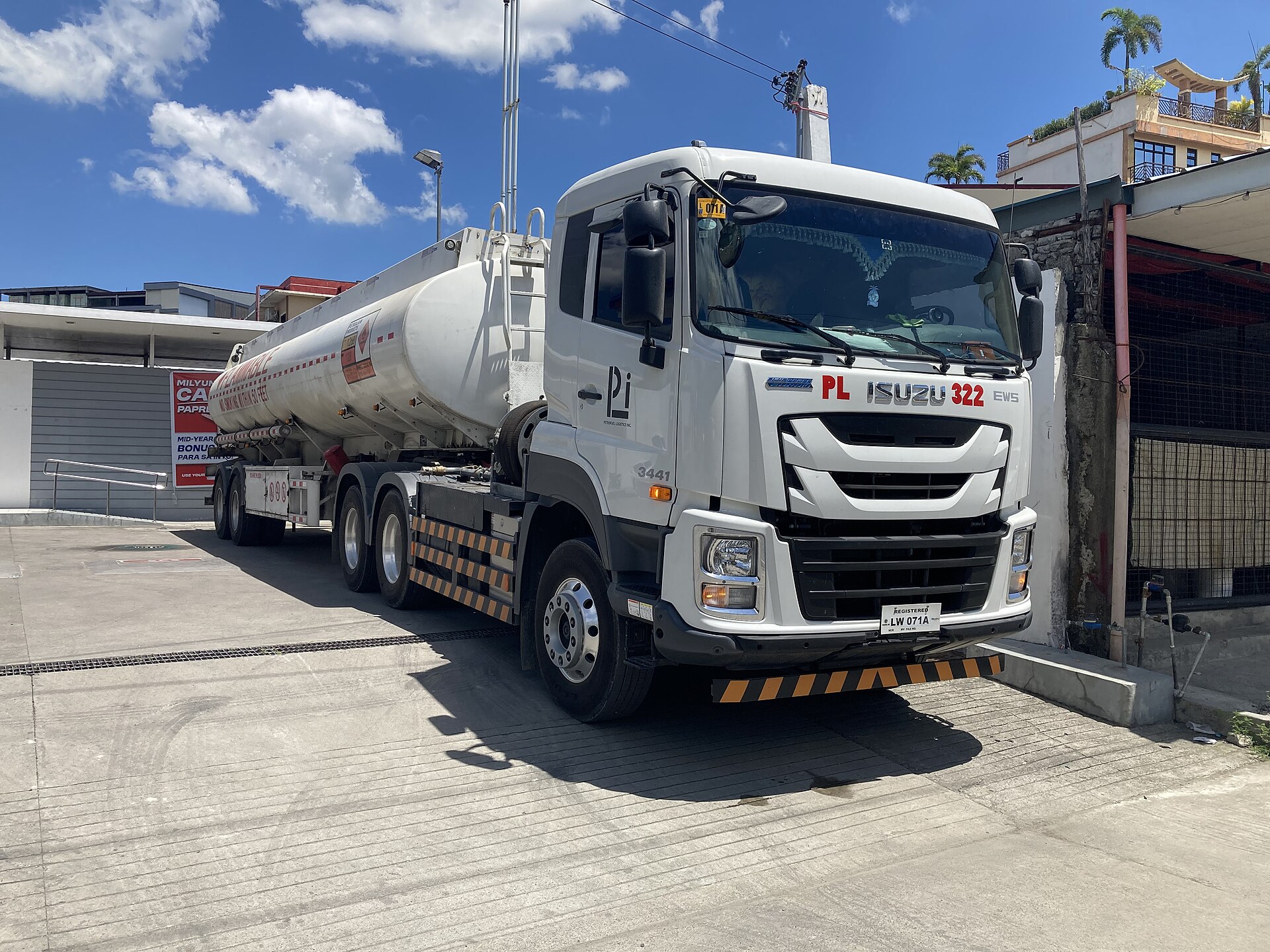
Flatbed linehaul rates rose over 5 cents last week while dry van and reefer rates fell, marking the strongest flatbed move in 18 years as loads climbed 30%.


Why did flatbed spot rates jump this week?
Flatbed spot rates rose over 5 cents last week, the largest single-week gain since 2008, according to FTR. Flatbed loads climbed almost 30%, reaching their strongest level in two months. Year over year, flatbed rates are up about 42%.
The move reverses a pattern that held through most of September. Dry van and reefer rates both fell last week, dry van down just under 3 cents and reefer down 6 cents after five consecutive weeks of increases. Dry van loads rose near 28%, while refrigerated loads increased 14%.
DAT's national linehaul figures show a different picture. DAT reported flatbed rates down 1 cent last week, averaging $2.60 per mile. Dry van rates fell 3 cents to $2.17 per mile, while reefer rates rose 2 cents to $2.73 per mile.
The divergence between FTR and DAT figures is common when spot markets move fast. FTR tracks a broader sample of spot transactions, including regional boards and direct carrier-shipper deals. DAT's network skews toward brokered freight posted on its own load board. When flatbed demand spikes in specific lanes or project-driven markets, FTR typically captures the move first.
What's driving flatbed demand higher
Flatbed freight is project freight. Construction, energy infrastructure, and manufacturing equipment moves drive the majority of flatbed loads. A 30% jump in weekly volume points to either a seasonal buildout push before winter or a cluster of large projects hitting the market at once.
Year-over-year comparisons show all three equipment types running hot. Dry van rates are up almost 45% compared to last September. Reefer rates are about 49% higher. Flatbed rates are up about 42%. Those figures reflect a market that was still soft in fall 2025, when capacity glut and weak industrial demand kept spot rates near multi-year lows.
The reefer decline is the first in five weeks. Reefer typically holds rate strength longer than dry van because produce season and temperature-controlled pharmaceutical freight create less elastic demand. A 6-cent drop suggests either harvest volumes peaking or shippers shifting back to contract lanes as spot capacity loosens.
What small fleets see in settlement statements
A 5-cent move on flatbed linehaul translates to $25 to $30 more per 500-mile run, depending on accessorials and fuel surcharge structure. For a flatbed owner-operator running four loads a week, that's an extra $400 to $480 in gross revenue before fuel and operating costs.
Dry van operators saw the opposite. A 3-cent drop on a 500-mile load costs $15 in linehaul revenue. Fleets running high-volume dry van lanes, especially those without contract freight to fall back on, absorbed that cut across every load dispatched last week.
Reefer operators who locked in loads during the five-week run-up before last week likely banked stronger settlement checks. Those who waited and booked last week took the 6-cent haircut. On a 1,000-mile reefer run, that's $60 less in linehaul revenue per load.
How long flatbed strength holds
Flatbed rate spikes tied to project freight are sharp but short. Construction projects finish. Energy infrastructure builds hit weather delays. Manufacturing equipment moves are one-time events, not recurring weekly freight.
The 30% load increase last week is not sustainable unless new projects stack behind the current wave. Flatbed fleets that chase the rate spike without contract freight to cushion the downturn risk empty miles and rate compression when project volumes drop.
Small flatbed fleets should treat this week's move as a revenue opportunity, not a trend. Book the loads, bank the extra $25 to $30 per run, and keep contract lanes or backhaul options ready for when spot volumes fall. The largest weekly gain since 2008 is a data point, not a new floor.
Dry van and reefer operators face the opposite calculus. Spot rates rose across all three equipment types two weeks ago, the first time since May. Last week's declines suggest that move was a Labor Day tightness play, not a sustained shift. Fleets running van or reefer freight should expect continued volatility as rejection rates and contract tender volumes fluctuate through fall.
The bill for a 10-truck flatbed fleet
A 10-truck flatbed fleet running 40 loads per week at an average of 600 miles per load saw gross linehaul revenue rise by roughly $1,200 last week compared to the prior week, assuming the 5-cent rate increase held across all dispatched loads. That figure does not account for fuel cost changes, deadhead, or accessorial revenue.
For fleets that also run dry van or reefer equipment, the math cuts the other way. A mixed fleet with five flatbed trucks and five dry van trucks would have seen flatbed revenue rise by $600 while dry van revenue fell by roughly $360, netting a $240 weekly gain before operating costs.
The year-over-year comparisons matter more for annual planning. A flatbed fleet that grossed $2.00 per mile in linehaul last September is now grossing closer to $2.84 per mile, a 42% increase. That delta funds driver raises, equipment payments, and insurance premium increases that have climbed 20% to 30% for many small fleets over the past year.