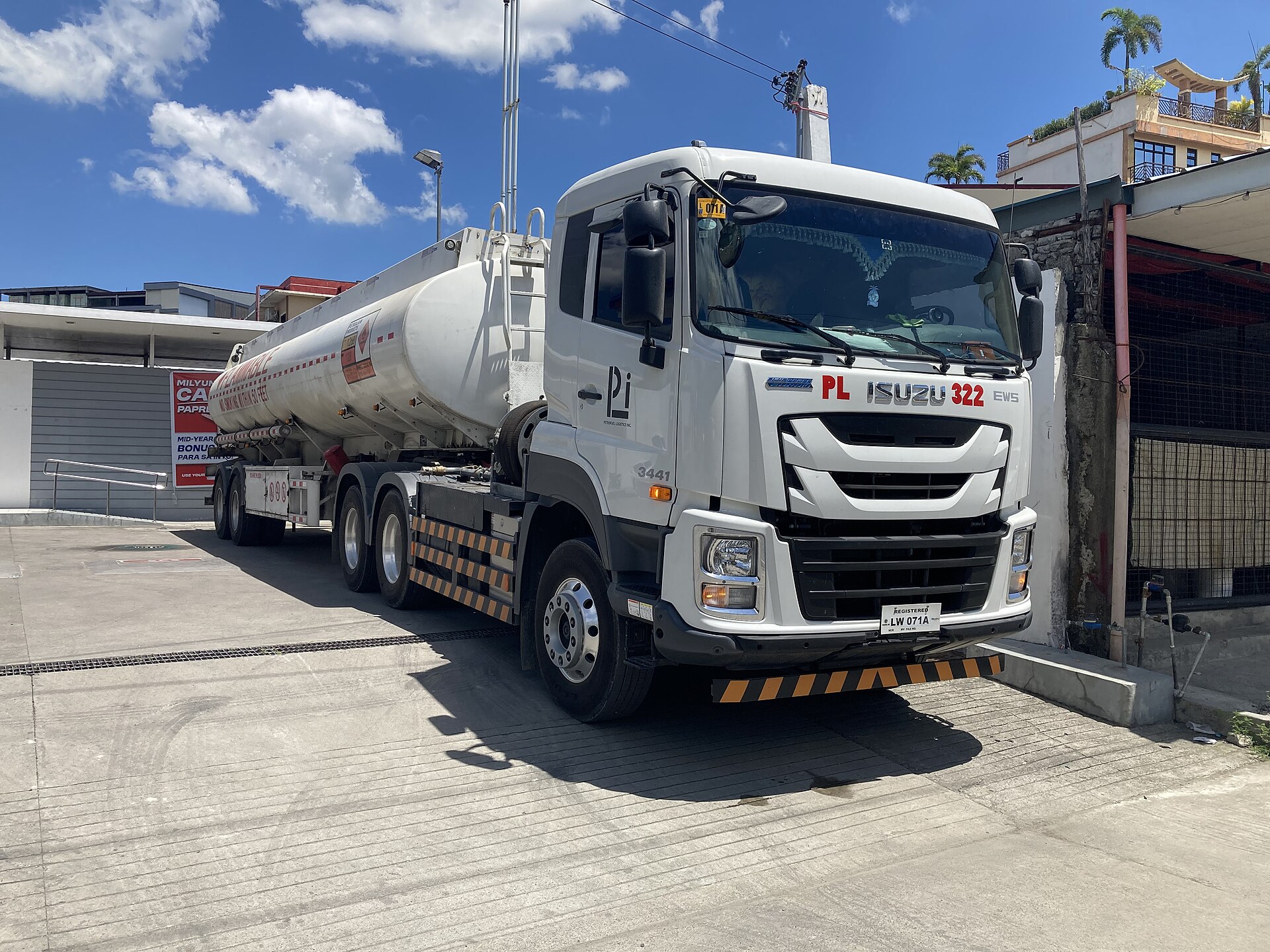
Brent Crude Jumps 2.2% to $100.29, Gas Hits $4.48 Per Gallon
Oil prices rose Sept. 24, pushing regular gasoline to $4.48/gallon nationwide. The move reverses three days of declines.


Why did oil prices rise Sept. 24?
Brent crude gained 2.2% to $100.29 per barrel Sept. 24. The cost for a gallon of regular gasoline in the U.S. ticked higher to an average of $4.48.
The increase follows three consecutive days of price declines that had pulled Brent below $100 earlier in the week. The reversal puts crude back above the psychologically important $100 threshold and adds roughly 9 cents per gallon to fuel costs for carriers who filled tanks before the jump.
For a five-truck fleet running 500 miles per day per truck at 6 mpg, the $4.48 gasoline average translates to $1,867 in daily fuel spend if running gas-powered trucks. Most small fleets run diesel, where wholesale prices typically track Brent movements with a two-to-four-day lag. Diesel hit $6.33/gallon earlier this month, 50 cents above the prior record, driven by refinery losses and Middle East supply constraints.
The 2.2% single-day gain in Brent is the sharpest one-day move since Sept. 16, when crude spiked following reports of a Saudi pipeline shutdown. That spike pushed diesel to record territory and forced carriers to renegotiate fuel surcharges mid-week or absorb margin losses on loads already booked.
What the $100.29 Brent price means for diesel
Brent crude serves as the global benchmark for oil pricing. U.S. diesel refiners buy crude at prices tied to Brent, then add refining costs, distribution, and retail markup. A $1 move in Brent typically translates to a 2-to-3-cent change in retail diesel within 72 hours, though the lag varies by region and refinery throughput.
At $100.29 per barrel, Brent sits $3.06 below the Sept. 16 peak of $103.35 but $10 above the July average of $90. The $10 climb since July has added roughly 24 cents per gallon to diesel costs, or $100 per day for a single truck running 500 miles at 6 mpg.
Small fleets without fuel hedges or indexed surcharge agreements eat the full cost of intra-week price swings. A two-truck owner-operator running 1,000 miles per day combined pays an extra $200 daily compared to July fuel costs, or $1,400 per week. That's $72,800 annualized, enough to cover a driver salary or a truck payment.
Gas at $4.48 per gallon
The $4.48 national average for regular gasoline marks a 3-cent increase from the prior day. Gas prices move faster than diesel because gasoline refining requires fewer processing steps and gasoline demand responds more quickly to price signals.
For carriers running gasoline-powered cargo vans or light-duty trucks, the $4.48 average is 38 cents above the 2025 annual average of $4.10 and $1.23 above the pre-pandemic 2019 average of $3.25. A 10-van fleet running 300 miles per day per van at 15 mpg spends $896 daily on fuel at $4.48 per gallon, up from $820 at the 2025 average.
Gasoline prices typically peak in summer driving season and decline through fall, but the Sept. 24 uptick breaks that seasonal pattern. The reversal suggests supply tightness or demand strength sufficient to override normal seasonal trends.
Why this move matters for small fleets
Oil price volatility compresses margins for carriers who quote loads more than 48 hours in advance. A fleet that books a 1,200-mile run on Monday at a fuel surcharge pegged to Friday's diesel price loses money if crude jumps 2% by Tuesday and diesel follows by Thursday.
The $100.29 Brent price also keeps diesel supply tight through 2027, according to EIA forecasts. No major U.S. refinery has opened since 1977, and existing refineries are running near capacity. Higher crude prices incentivize production but do not add refining capacity in the near term.
For owner-operators, the 2.2% crude jump is a reminder that fuel costs remain the largest variable expense and the hardest to control. Fleets with fuel cards that lock in weekly prices gain a small buffer. Those filling at retail pumps pay spot prices and absorb the full swing.