Why U.S. Diesel Supply Will Stay Tight Through 2027
EIA expects distillate inventories below 100 million barrels through most of 2027. The last major U.S. refinery opened in 1977.

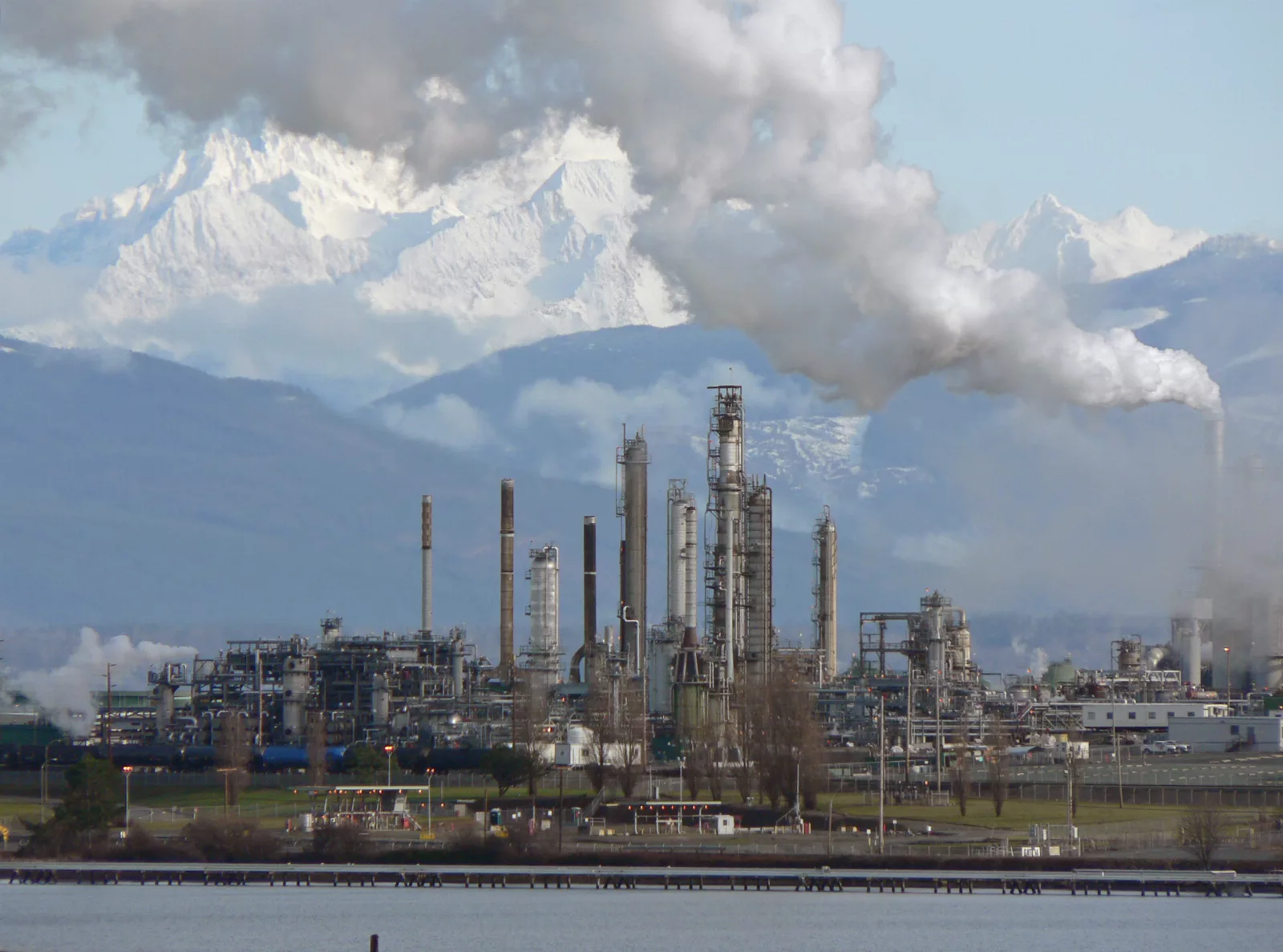
U.S. diesel inventories will fall below 100 million barrels and stay below the five-year low through the end of 2026 and most of 2027, the Energy Information Administration says. High exports, lower international refinery production, and seasonal refinery maintenance will continue putting pressure on diesel prices.
The supply crunch has no quick fix. The newest large, full-service U.S. refinery remains Marathon's Garyville, Louisiana, facility, which began operating in 1977. The United States had 130 operable refineries at the beginning of 2026. Several smaller facilities have opened in recent years, including a 45,000-barrel-per-day plant in Galveston in 2022. But no major refinery has been built in nearly 50 years.
Why Can't the U.S. Build More Refineries?
Refineries are a "not in my backyard" kind of development. Most new U.S. capacity has come from expanding existing plants. That is generally faster and less contentious than permitting and building a refinery from scratch. But it also limits how quickly the industry can respond to a global diesel shortage.
Russia and Persian Gulf countries have been building refineries in the past 10 years in pursuit of a bigger share of the global diesel market. The U.S. has not kept pace. Between the U.S.-Iran conflict and the ongoing war between Ukraine and Russia, global markets are now looking to the U.S. for diesel and other refined products.
What This Means for Small Fleets
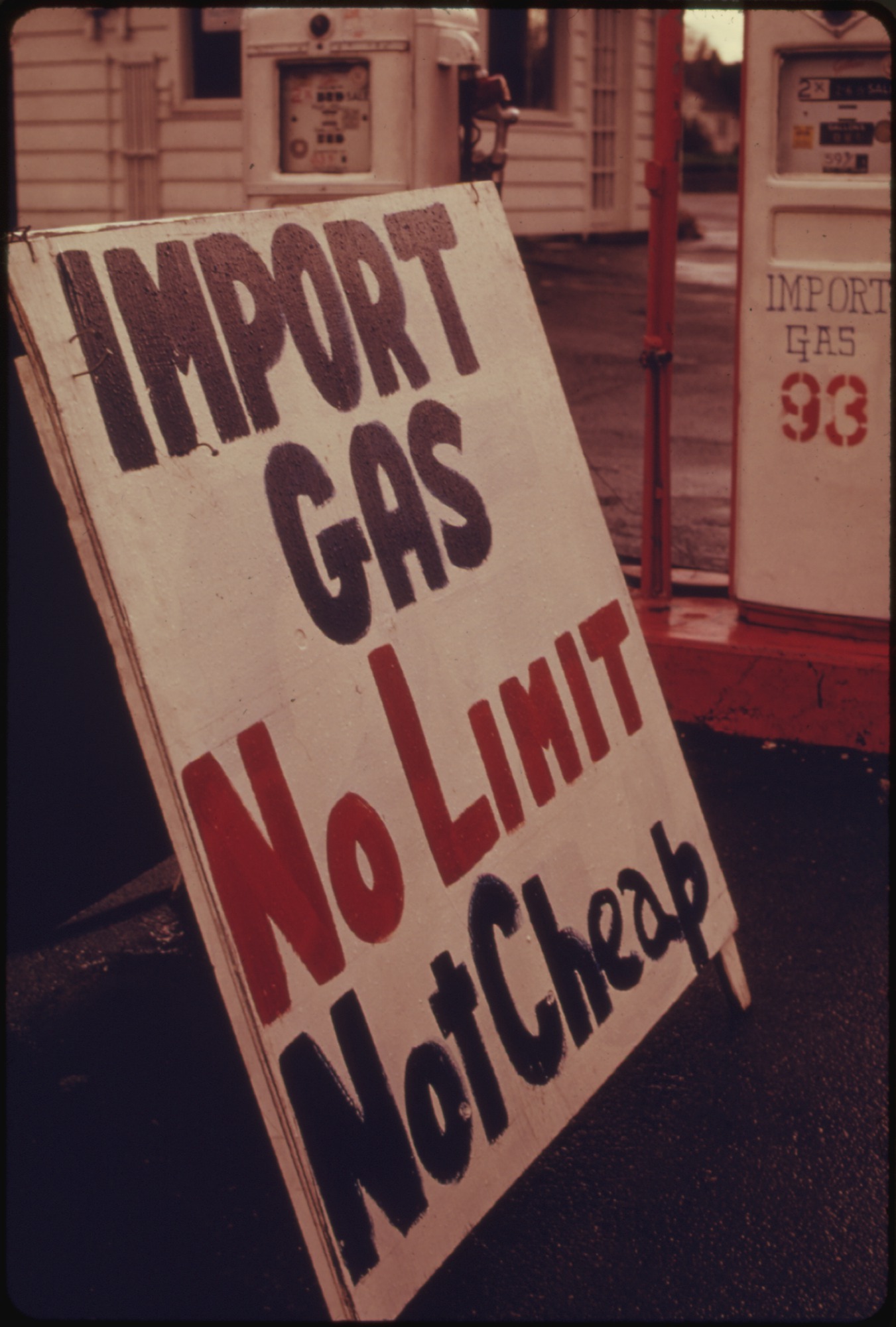
The EIA timeline puts diesel price relief out past the 2027 planning horizon for most small fleets. Diesel hit $6.33/gallon in mid-September, 50 cents above the prior record. With inventories expected to stay below the five-year low through most of 2027, fleets cannot count on a return to pre-crisis fuel costs.
The structural supply gap means fuel surcharges become a survival issue, not a negotiating point. A 10-truck fleet burning 1,500 gallons per truck per week pays an extra $47,250 per week at $6.33 diesel versus $3.50 diesel. Over a year, that is $2.46 million in additional fuel expense for a fleet that size. Without adequate fuel surcharge pass-through, those costs come straight out of operating margin.
Expansion of existing refineries takes years, not months. Permitting and building a new large refinery from scratch would take longer. The U.S. refining base is effectively frozen at 1970s capacity, expanded incrementally at the margins. That leaves small fleets exposed to every global supply shock with no domestic buffer.
The export pressure compounds the problem. U.S. refineries are sending diesel overseas while domestic inventories fall. Global demand for U.S. refined products, driven by the Iran conflict and the Russia-Ukraine war, pulls supply away from the domestic market. Small fleets compete with international buyers for the same barrels.
Fleets running tight fuel budgets should plan for diesel above $6 through 2027. The EIA forecast gives no indication of a return to sub-$4 diesel in the next 18 months. Diesel price spikes have already cut natural gas truck payback periods to under three years for fleets replacing pre-2013 diesels, making alternative fuel a faster ROI play than it was six months ago.
Seasonal refinery maintenance will continue to tighten supply periodically. The maintenance windows are predictable, but the impact is larger when inventories start below the five-year average. Small fleets should expect diesel price spikes during maintenance periods to be sharper and longer-lasting than in years when inventories were higher.
The structural supply problem is not a short-term market event. It is a capacity deficit that will take years to resolve, if it resolves at all. Small fleets need fuel surcharge agreements that reflect that reality. Contracts written assuming diesel will return to $3.50 or $4 will leave fleets underwater for the next two years.