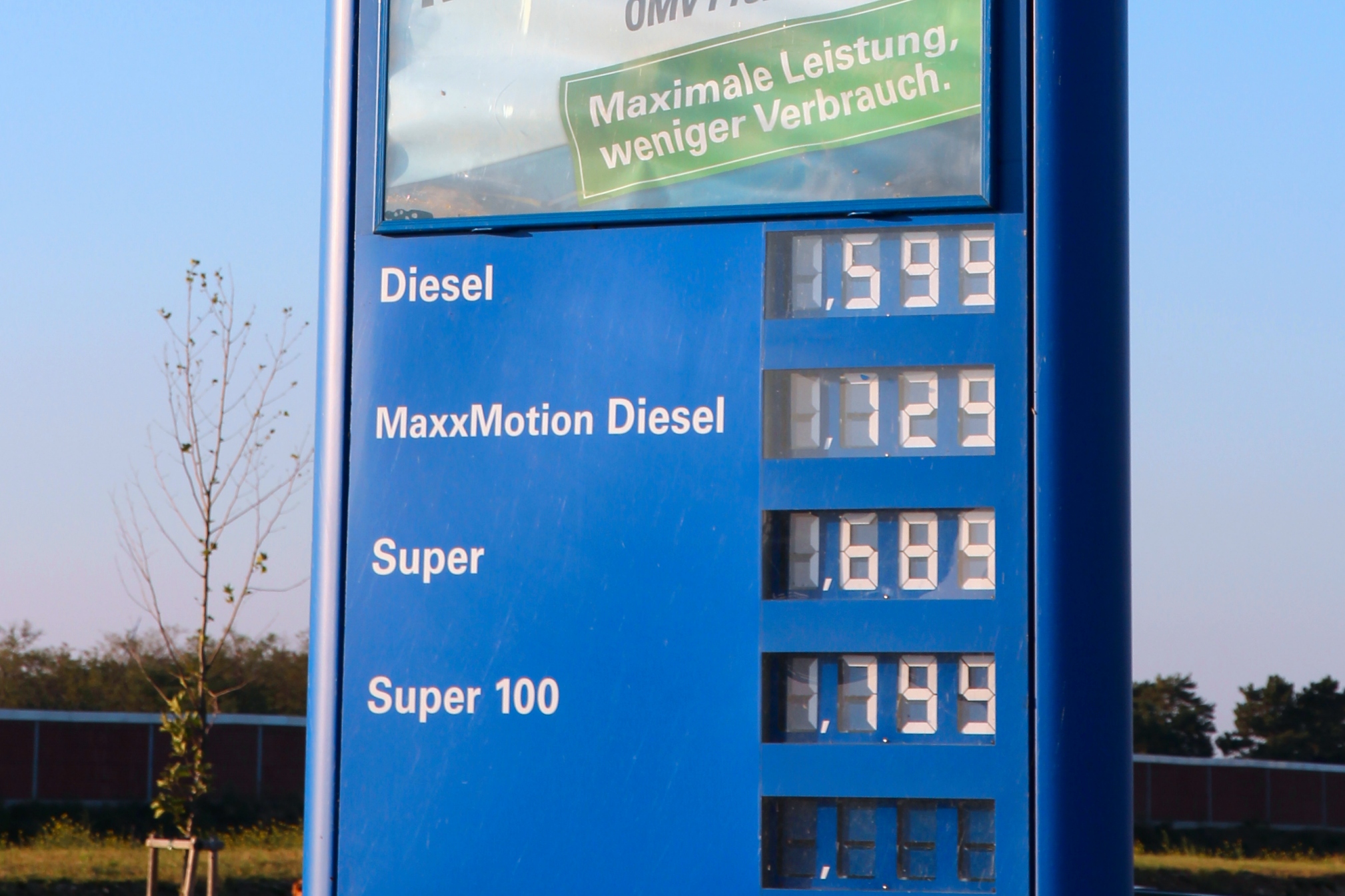
Brent Crude Falls to $103.38 as Hormuz Flows Stay Limited
Brent dropped 2.3% to $103.38/barrel Sept. 17, but Saudi pipeline shutdown keeps diesel on track to stay above $6/gallon.

Why did oil prices drop today?
Brent crude traded 2.3% lower to $103.38 a barrel Sept. 17, even as flows from the Strait of Hormuz remain limited. The pullback comes after a two-week rally that pushed Brent above $105 and sent diesel to a record $6.33/gallon at the pump.
The drop does not signal relief at the pump. Saudi Arabia's closure of a key oil pipeline adds to oil supply pressure as the kingdom moves to repair the line. The pipeline shutdown removes crude from the market at the same time Hormuz flows stay constrained, keeping upward pressure on refined products.
For small fleets, the math is straightforward: every dollar of crude movement translates to roughly 2.5 cents per gallon at the diesel rack within two weeks. A $2 drop in Brent, if sustained, would shave 5 cents off diesel. But the Saudi pipeline closure and ongoing Hormuz constraints mean the recent $6.33/gallon record is likely to hold through the end of September.
What the Saudi pipeline shutdown means for diesel supply
Saudi Arabia's pipeline closure removes crude supply at a time when global refining capacity is already tight. The kingdom has not disclosed how long repairs will take or how many barrels per day the line carried, but any reduction in Saudi crude exports tightens the global balance.
Refineries in the U.S. Gulf Coast and Europe rely on Saudi crude as a feedstock for diesel production. When that crude is unavailable, refiners bid up alternative grades or cut run rates, both of which push diesel futures higher. Diesel hit $6.33/gallon earlier this week, 50 cents above the prior record set in 2022.
The Strait of Hormuz remains a separate constraint. Roughly 20% of global oil flows pass through the strait, and limited flows there have kept crude prices elevated since early September. The combination of Hormuz disruptions and the Saudi pipeline shutdown creates a supply squeeze that offsets any short-term price relief from demand softness or inventory draws.
How long diesel stays above $6
Diesel futures hit $4.68/gallon on the NYMEX earlier this month, the highest since the Iran conflict began in March. Retail prices lag futures by 10 to 14 days, which means the $6.33/gallon pump price reflects crude that was trading near $105 in early September.
If Brent holds near $103, diesel should stabilize in the $6.10 to $6.25 range by early October. But if the Saudi pipeline stays offline into October or Hormuz flows deteriorate further, diesel could hit $7 to $9/gallon by November, as one strategist warned last week.
For a 10-truck fleet running 1,000 miles per week per truck at 6 mpg, the difference between $5.80 diesel and $6.30 diesel is $833 per week, or $3,600 per month. At $7/gallon, that same fleet pays an additional $2,000 per week compared to $5.80. Fuel surcharges cover some of that, but not all, and not immediately.
What small fleets should watch
Three indicators matter for the next 30 days:
Saudi pipeline repair timeline. If the kingdom brings the line back online in two weeks, crude supply pressure eases and Brent could fall back toward $100. If repairs stretch into October, expect diesel to hold above $6.20 through month-end.
Hormuz flow data. Any further reduction in tanker traffic through the strait pushes crude higher. Any normalization of flows gives refiners breathing room and pulls diesel futures down.
U.S. diesel inventory. The Energy Information Administration reports weekly inventory levels every Wednesday. Inventories have been drawing since late August. If draws continue, diesel futures stay elevated even if crude softens.
The Sept. 17 pullback in Brent does not change the fuel cost picture for small fleets. Diesel stays above $6/gallon as long as the Saudi pipeline is offline and Hormuz flows stay constrained. Plan fuel budgets accordingly.