Mexico Truckers Halt Strike After Feds Agree to Security Talks
CANACAR, HAMOTAC, and FEMATRAC secured four negotiating sessions on cargo theft, highway violence, and operating costs after demonstrations hit 19 states Monday.


Will the Mexico trucker strike resume if talks fail?
Mexican trucking organizations reached an agreement with federal officials Tuesday to begin four high-level negotiating sessions, pausing a nationwide strike that disrupted highways across 19 states Monday. The Interior Ministry (Segob) confirmed the deal with CANACAR, HAMOTAC, and FEMATRAC, but the groups had not confirmed all demonstrations had ended as of Tuesday afternoon.
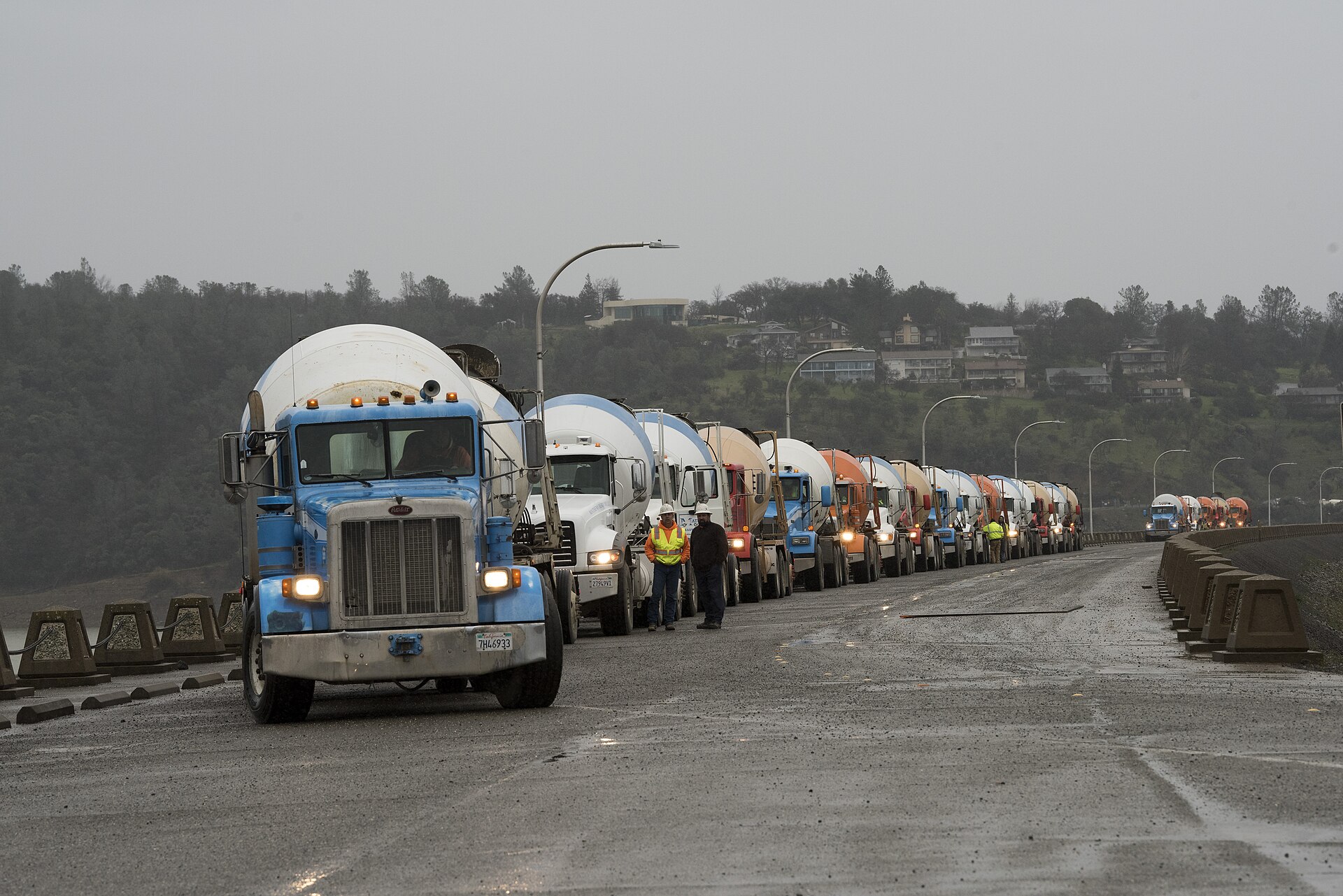
Mexico's Interior Ministry reported demonstrations at 38 locations across 19 states Monday morning, involving 691 vehicles and 858 participants. CANACAR disputed the count, saying the protest movement extended across all 32 Mexican states. The protests included truck convoys, roadside gatherings, and highway blockades.
What truckers are demanding
Truckers launched the demonstrations demanding government action against cargo theft, highway robberies with violence, extortion, and rising operating costs. The four negotiating sessions will address highway security, infrastructure, tax incentives, regulations, and other issues affecting Mexico's freight transportation industry.
Augusto Ramos Melo, president of CANACAR, met Tuesday with Interior Ministry officials alongside Carlos García Álvarez, president of HAMOTAC, and Lauro Rincón Hernández, president of FEMATRAC. Following the meeting, Ramos Melo announced the four-session framework but did not provide a timeline for the talks.
What cross-border carriers face if talks stall
Earlier Tuesday, CANACAR and other trucking organizations had called on participants to continue peaceful demonstrations at strategic highway locations while negotiations were being arranged. The lack of confirmation that all demonstrations had ended leaves open the possibility of resumed disruptions if the four negotiating sessions fail to produce commitments on security and operating-cost relief.
Trade and freight transportation officials raised concerns about freight transportation and supply chain delays, according to reporting by La Jornada, T21, and Revista Transportes y Turismo. The protests highlight longstanding concerns among Mexican trucking companies over cargo theft, violence against truck drivers, extortion, and the costs of operating commercial vehicles.
Why this matters for U.S. fleets running cross-border
Mexico's nationwide trucking protests underscore the vulnerability of freight corridors supporting U.S.-Mexico trade. U.S.-Mexico trade hit $94.3 billion in August, up 27% year over year, with imports surging 34% to $60.6 billion. Laredo handled $38.6 billion of that volume, up 29%.
The new negotiations could determine whether carriers face additional disruptions in the coming days. Cross-border fleets already contend with a 14% driver vacancy rate in Mexico, leaving 90,000 trucks idle, and heightened enforcement of cabotage rules that restrict foreign carriers from domestic hauls.
The four negotiating sessions represent the first formal government response to the industry's security and cost demands. Whether the talks produce enforceable commitments on highway security, tax relief, or infrastructure investment will determine if the demonstrations resume or if cross-border freight corridors stabilize heading into the fourth quarter.