$104 million verdict hits MVT after driver fell asleep, killed co-driver
El Paso jury found Mesilla Valley Transportation and trainer liable for 2020 fatigue crash that killed sleeper-berth driver on I-40.


What did the jury find in the Mesilla Valley Transportation wrongful death case?
An El Paso jury awarded $104 million to the family of Orlando Robles, a driver killed when his trainer fell asleep at the wheel in 2020. The verdict, delivered after a trial that began June 30, found Mesilla Valley Transportation (MVT) and driver Juan Garcia responsible for the crash that killed Robles while he slept in the tractor's berth.
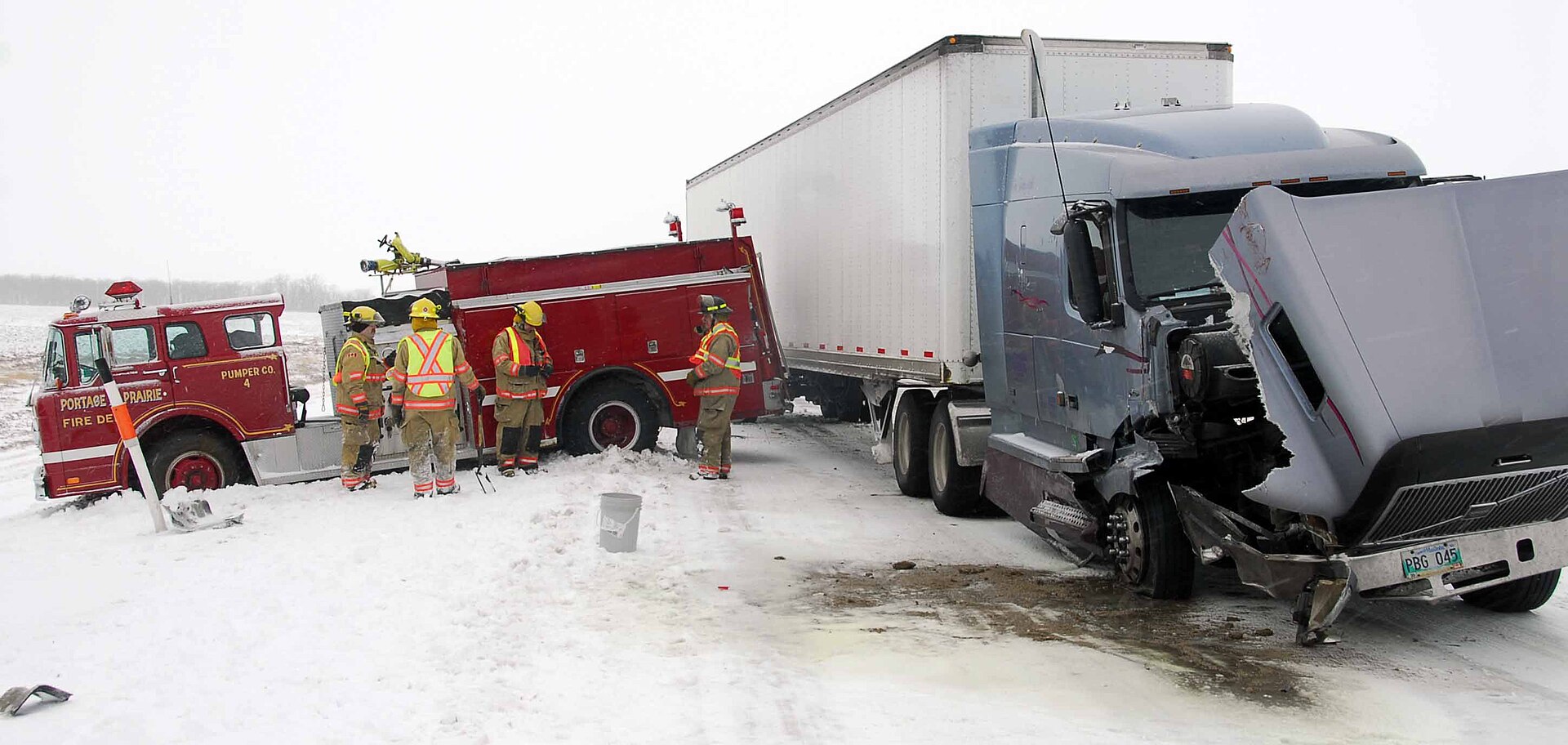
Garcia, a company trainer, fell asleep driving a tractor-trailer on Interstate 40 in Sequoyah County, Oklahoma. The truck drifted onto the shoulder and struck a parked box truck displaying emergency flashers. Robles was asleep in the sleeper berth at the time of impact.
The jury awarded Robles' son $20 million in compensatory damages and $7.5 million in punitive damages. The $104 million total includes awards to Robles' wife, estate, mother, and daughters.
Why the verdict matters for carrier insurance and safety culture
The punitive component signals the jury found MVT's conduct went beyond ordinary negligence. Punitive damages in commercial vehicle cases typically follow evidence that a carrier ignored known safety risks or failed to enforce hours-of-service compliance.
"Professional truck drivers and trucking companies have a responsibility to keep fatigued drivers off the road. When that responsibility is ignored, families pay the price," said Alejandro Acosta III, a partner at Tawney, Acosta & Chaparro and attorney representing Robles' son.
MVT had not publicly responded to the verdict at the time of publication. The Las Cruces, New Mexico-based carrier operates over 1,600 trucks and 5,000 trailers, making it one of the largest privately-owned truckload fleets in the U.S.
The insurance math for small fleets
A nine-figure verdict does not hit a 1,600-truck fleet the same way it would hit a 10-truck operation, but the case illustrates the liability exposure every carrier faces when a driver nods off. Most small fleets carry $1 million in liability coverage because that is the federal minimum for interstate commerce. Umbrella policies that cover verdicts above $1 million cost more every year, and underwriters now ask pointed questions about ELD compliance, driver vetting, and fatigue management during renewal.
Carriers that run teams face additional scrutiny. A sleeper-berth driver has no control over whether the driver at the wheel stays awake. Insurers know this. So do plaintiffs' attorneys. The trainer-trainee relationship in this case likely amplified the jury's view that MVT failed in its duty to protect Robles.
Small fleets that run teams or put new drivers through on-the-road training should review their policies on fatigue management and driver pairing. Annual MVR checks leave carriers blind to suspended licenses for 11 months, and a single fatigued-driver crash can end a small operation if the verdict exceeds coverage limits.
What the case does not tell us
The sources do not specify whether Garcia violated hours-of-service rules, whether MVT had prior safety violations related to fatigue, or whether the carrier's ELD data showed a pattern of pushing drivers to the edge of their clocks. Those details would clarify whether the jury found systemic negligence or isolated driver error.
The verdict also does not indicate whether MVT will appeal or whether the family will collect the full $104 million. Large verdicts often settle for less during appeals, and Texas law caps punitive damages in some cases. The final payout could take years to resolve.
The takeaway for owner-operators and small fleets
If you run teams or train new drivers, the liability sits with you the moment your truck leaves the yard. A co-driver asleep in the berth cannot prevent a crash. The driver at the wheel can, but only if they are awake and alert. Fatigue management is not a compliance checkbox. It is the difference between a settlement your insurance covers and a verdict that takes the business.
Carriers that operate in Texas or haul freight through Oklahoma should note the venue. El Paso juries have a history of large awards in commercial vehicle cases, and plaintiffs' attorneys often file in jurisdictions where juries favor injured parties. The location of the crash matters less than where the lawsuit lands.