3,200 Mexican Drivers Lose U.S. Visas Over Cabotage Violations
DOT and CBP merged enforcement systems, triggering automatic visa revocations for drivers flagged in cabotage sweeps. Cross-border carriers face tighter scrutiny at commercial gateways.


More than 3,000 Mexican truck drivers have lost their authorization to enter the United States in recent months after federal authorities merged enforcement databases to identify cabotage violations. The visa revocations hit carriers operating through major commercial gateways along the entire border region.
What triggered the mass visa revocations for Mexican drivers?
The U.S. Department of Transportation (DOT) and U.S. Customs and Border Protection (CBP) merged their enforcement systems, allowing CBP to automatically identify drivers previously flagged for potential cabotage violations. Approximately 3,200 drivers across the border region have had their visas revoked, according to Pedro Lozano Martínez, president of the Nuevo Laredo Freight Carriers Association and a delegate of Mexico's National Chamber of Freight Transportation (CANACAR).
"What happened is that the DOT and CBP systems merged, and all operators who had any warnings about possible cabotage were automatically identified," Lozano told Agencia Rn Noticias.
Cabotage occurs when a foreign carrier transports freight between two domestic points inside the United States without authorization. Under federal law, only U.S.-registered carriers with domestic operating authority may haul freight from one U.S. city to another. A Mexican carrier crossing at Laredo with a load destined for Dallas may deliver that load, but cannot then pick up freight in Dallas and haul it to Houston. That second leg is cabotage.
How the merged database works
The DOT maintains records of roadside inspections, safety audits, and enforcement actions tied to each carrier's USDOT number. CBP controls entry at ports of entry and issues or revokes border-crossing credentials, including B-1 visas for commercial drivers. Before the system merge, a driver flagged by DOT inspectors for a potential cabotage violation might continue crossing the border for months before CBP independently discovered the issue.
The merged database closed that gap. When a driver presents credentials at a port of entry, CBP now sees DOT enforcement flags in real time. Drivers with cabotage warnings in their DOT records are being turned away and having their visas revoked on the spot.
"It has been a serious issue in recent weeks," Lozano said. "CANACAR data indicates around 3,200 drivers have been affected along the entire border region."
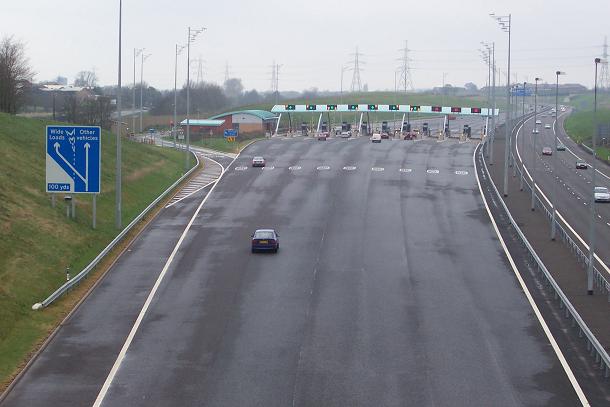
The cancellations have affected carriers operating through major commercial gateways, Lozano said. Nuevo Laredo, the busiest commercial crossing on the U.S.-Mexico border, has seen a significant share of the revocations.
What cross-border carriers must do now
Carriers with Mexican-domiciled trucks operating under long-haul authority in the United States must audit their dispatch records for any loads that could be interpreted as domestic point-to-point moves. A single cabotage flag in a driver's DOT inspection history can now trigger a visa revocation when that driver attempts to cross.
If your carrier has received a cabotage warning or violation in the past 24 months, assume every driver who hauled that load is now flagged in the merged database. Pull their crossing records and prepare documentation showing that contested loads were international moves, not domestic cabotage.
Carriers should also review their State Department visa compliance requirements. The State Department resumed trucker visa processing in April 2026 with stricter CDL, English proficiency, and safety-history standards. Drivers whose visas were revoked for cabotage will face those heightened requirements when reapplying.
The compliance gap that triggered the crackdown
Mexican carriers with long-haul authority may operate throughout the United States under the same rules as U.S. carriers, but they may not perform cabotage. The distinction is often lost in dispatch. A broker calls with a backhaul from San Antonio to El Paso. The driver is already in Texas. The rate covers fuel. The dispatcher books it.
That is cabotage. The load originated and terminated inside the United States. The carrier's long-haul authority does not permit it. The driver's visa does not permit it. And now, with the merged database, CBP will know about it the next time that driver crosses.
DOT inspectors have been flagging suspected cabotage violations for years, but enforcement was inconsistent. A driver might receive a warning at a weigh station in Arizona and cross without incident at Laredo two days later. The merged system eliminates that inconsistency. Every flag now follows the driver to every port of entry.
What happens to drivers whose visas are revoked
A driver whose B-1 visa is revoked for cabotage loses the ability to enter the United States for commercial purposes. The revocation is not a temporary suspension. The driver must reapply for a new visa through the U.S. consulate, a process that can take months and requires demonstrating that the violation has been resolved.
Carriers cannot simply assign a different driver to the same truck. If the carrier's DOT safety record shows a pattern of cabotage violations, CBP may scrutinize every driver employed by that carrier, regardless of whether the individual driver was involved in the flagged loads.
Lozano's statement to Agencia Rn Noticias suggests the revocations are concentrated among carriers that have accumulated multiple cabotage warnings over time, not isolated incidents. That pattern indicates DOT and CBP are using the merged database to target repeat offenders.
What this means for cross-border capacity
The loss of 3,200 drivers represents a significant reduction in cross-border capacity at a time when nearshoring is driving record freight volumes through Texas gateways. Carriers that lose drivers to visa revocations cannot replace them quickly. New drivers must obtain B-1 visas, which now require stricter vetting, and carriers must demonstrate clean safety records to support those applications.
The enforcement action also signals that DOT and CBP are coordinating more closely on cross-border compliance. Carriers should expect similar database merges for other violations, including hours-of-service, drug and alcohol clearinghouse flags, and new-entrant safety audit failures.
If your carrier operates cross-border, audit your dispatch records now. Pull every load from the past 24 months and verify that no driver hauled freight between two U.S. points. If you find a potential cabotage move, document why it was not cabotage or prepare for the driver to lose their visa the next time they cross.