BMO Sells Truck Financing Units to Stonepeak in Undisclosed Deal
Infrastructure investor Stonepeak acquires BMO's commercial truck financing businesses for undisclosed cash plus earnout tied to performance targets.


What did BMO sell to Stonepeak?
Bank of Montreal sold its truck financing businesses to infrastructure investor Stonepeak for an undisclosed cash payment plus an earnout contingent on hitting certain performance targets. The deal, announced May 12, moves BMO's commercial truck lending operations to a private equity firm that specializes in transportation and logistics assets.
The transaction price was not disclosed. Stonepeak structured the purchase with two components: an upfront cash consideration and a deferred earnout that pays additional amounts if the acquired businesses meet specified benchmarks after closing.
Why banks exit truck financing
Banks periodically exit commercial truck lending when the capital requirements or credit risk no longer align with their broader portfolio strategy. Truck financing is capital-intensive, lenders must hold reserves against the loan book, and cyclical freight markets can spike default rates when spot rates collapse or fuel costs surge. A bank looking to redeploy capital into higher-margin or less volatile segments will sell the portfolio to a buyer willing to hold the risk.
For a small fleet or owner-operator with an existing BMO truck loan, the sale means a new servicer will collect payments and handle account questions after the deal closes. Loan terms, interest rate, payment schedule, maturity date, do not change when a lender sells the portfolio. The borrower's obligation transfers to the buyer, but the contract remains the same.
What Stonepeak brings to truck lending
Stonepeak is a private equity firm focused on infrastructure and transportation. The firm has invested in logistics real estate, intermodal terminals, and freight technology platforms. Acquiring a truck financing book gives Stonepeak direct exposure to the carrier side of the freight market, the revenue stream comes from monthly truck payments rather than freight rates, but the credit performance still tracks freight market health.
Private equity buyers often hold truck loan portfolios longer than banks and may be more willing to work through restructures when a borrower hits a rough patch. They also tend to cross-sell, a firm that owns both a financing arm and a telematics provider or fuel card network can bundle services. Whether Stonepeak pursues that strategy with the BMO book is not yet clear.
Earnout structure ties price to performance
The earnout component means Stonepeak will pay BMO additional amounts if the acquired businesses hit specified targets after closing. Earnouts are common in financial services M&A when the buyer wants to limit upfront risk and the seller believes the portfolio will perform better than the buyer's base-case model.
Typical earnout triggers in a loan portfolio sale include loan loss rates staying below a threshold, portfolio runoff hitting a minimum level, or revenue from new originations exceeding a target. The specific metrics in the BMO-Stonepeak deal were not disclosed.
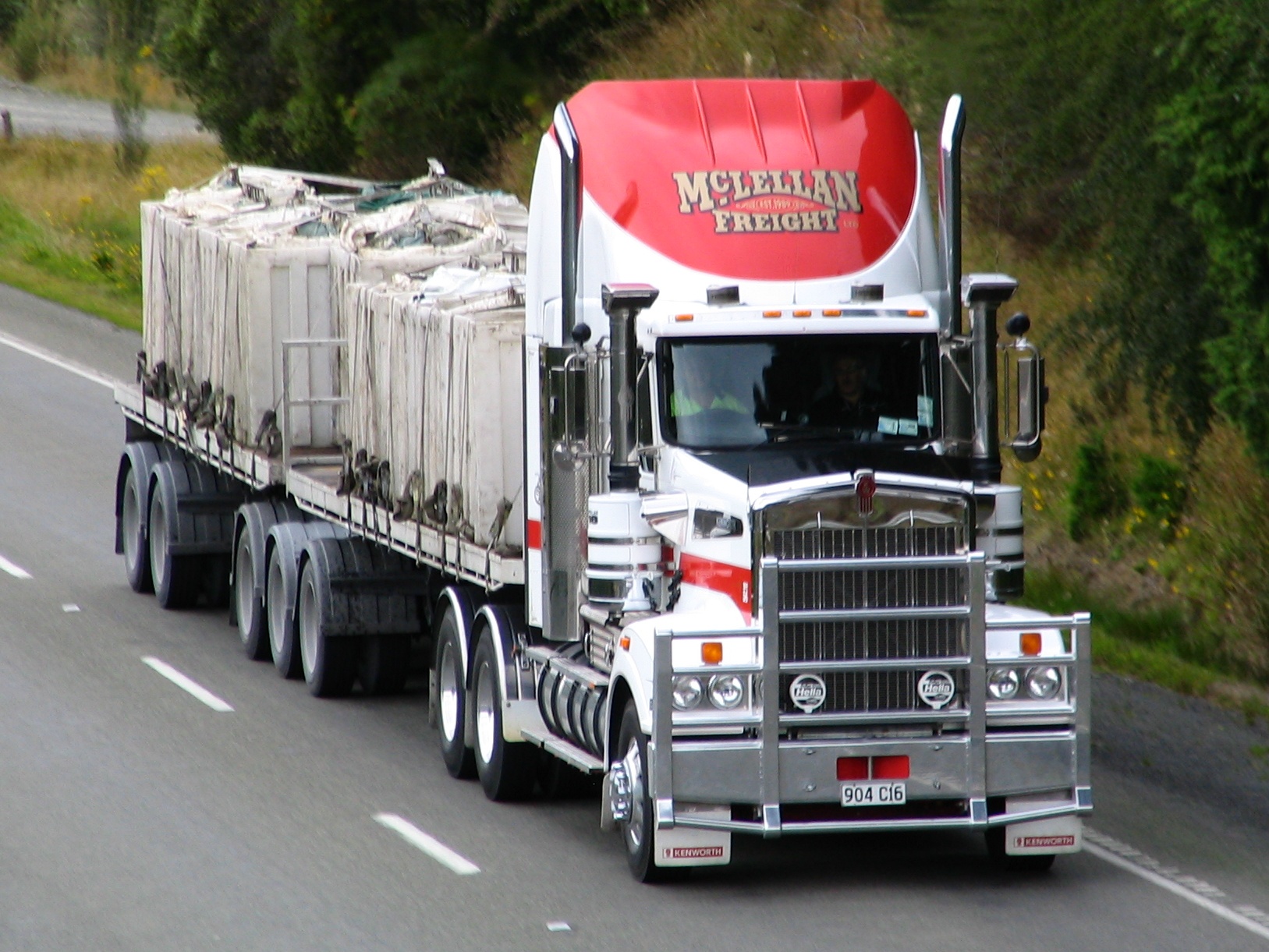
For carriers shopping for truck financing, the deal does not immediately change the competitive landscape, BMO's exit removes one lender from the market, but Stonepeak will likely continue originating new loans under a different brand or through dealer partnerships. The net effect on rates and terms depends on how aggressively Stonepeak grows the book and whether other banks follow BMO out of the segment.
What the sale signals about truck credit markets
A bank selling its truck financing arm does not by itself indicate distress in the commercial truck lending market, but it does reflect a capital allocation decision. If BMO saw stronger returns or lower risk elsewhere, it moved the money. If Stonepeak saw an attractive entry point, it bought in.
Truck loan delinquencies and repossessions tend to lag freight rate movements by two to four quarters, a carrier that takes a rate cut in Q1 may still make payments through Q2 on cash reserves, then miss in Q3 when the cushion runs out. Lenders watching spot rates flatten or contract for multiple quarters will tighten underwriting or exit the space before losses spike. Whether BMO's sale reflects that caution or simply a portfolio rebalancing is not evident from the announcement.
For a small fleet looking to finance a truck purchase in the next six months, the takeaway is straightforward: one fewer bank in the market means one fewer rate quote to compare. Shop multiple lenders, verify the lender's active authority and SAFER profile if working with a non-bank finance company, and lock terms before the deal closes if BMO offered the best rate.