Diesel Benchmark Drops 0.1¢, Futures Signal Tightening Ahead
DOE retail diesel fell the smallest possible increment this week to $5.639/gal, while futures markets show signs the recent slide may be reversing.


Why did diesel prices barely move this week?
The DOE/EIA retail diesel benchmark fell 0.1 cents per gallon to $5.639/gal effective Monday, the smallest possible weekly decline. The move follows last week's sharp 28.9-cent jump, which itself came after three consecutive weeks of declines.
The tiny drop masks a growing divide in oil markets about where prices head next. Futures prices are beginning to shift higher, suggesting the recent slide may be ending as market fundamentals tighten.
What the fuel price split means for settlement statements
Most fuel surcharge programs peg to the DOE weekly benchmark, so this week's 0.1-cent drop translates to roughly no change in what carriers collect per mile. A truck running 2,500 miles per week at 6 mpg burns about 417 gallons: the 0.1-cent difference is 42 cents for the week, well within rounding error on most settlement sheets.
The bigger question is whether the relative calm holds. Diesel has now spent multiple weeks in the $5.60–$5.70 range after spiking above that level in late April. Futures markets are starting to price in tighter supply, which historically precedes retail price increases by one to three weeks.
Two views on where oil prices go from here
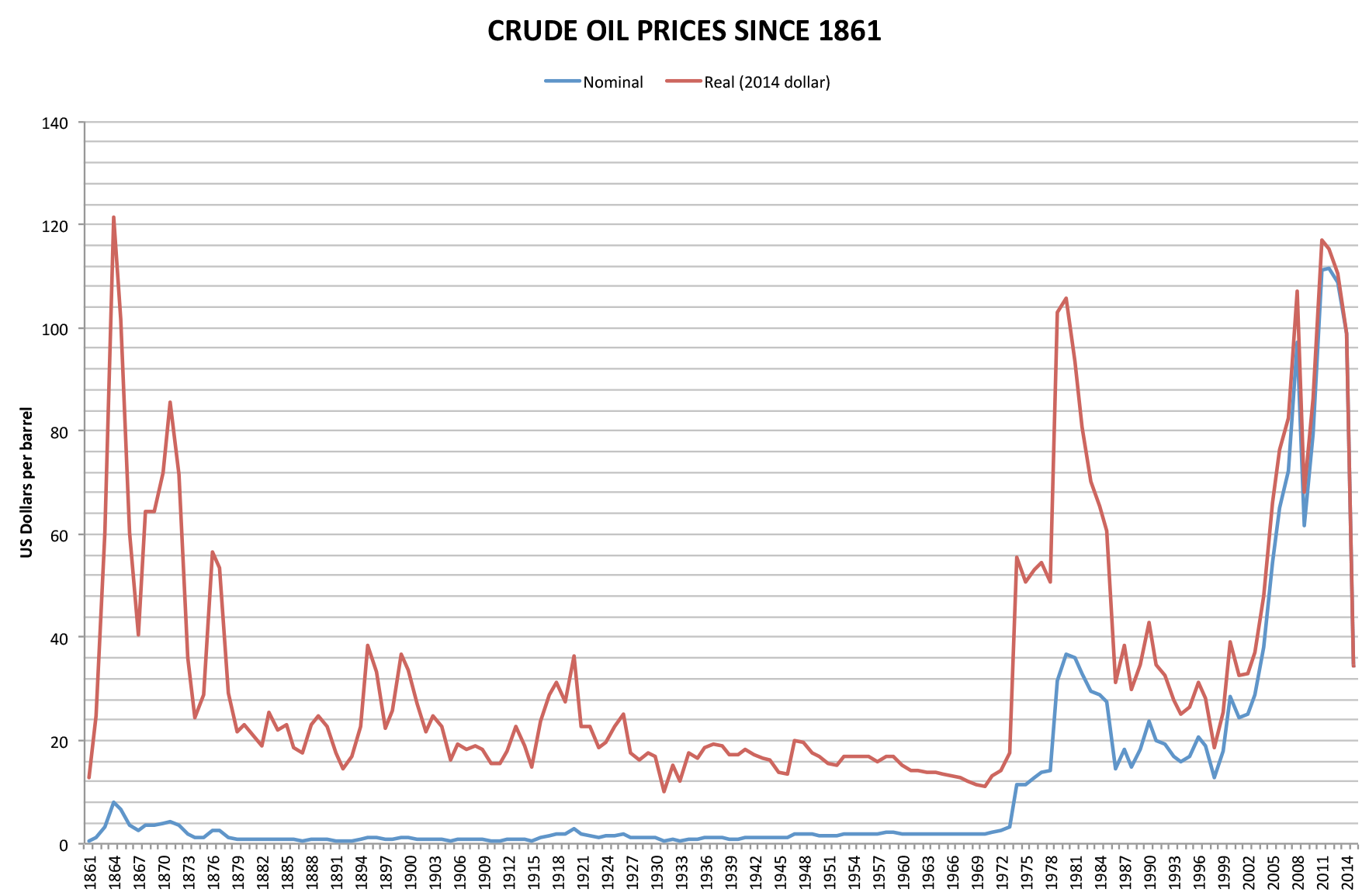
The market has absorbed recent supply disruptions without reaching the price levels seen only twice before: the 2008 surge and the 2023 reaction to Russia's invasion of Ukraine. Some analysts interpret the stability as evidence that global supply chains have adjusted.
Energy economist Philip Verleger offered a sharply different view in his most recent weekly report: "Based on historical data, crude should now trade for around $200 per barrel." Crude is nowhere near that level, West Texas Intermediate has traded in the $80–$95 range for most of the past month, but the gap between Verleger's historical model and current prices suggests either the market is underpricing risk or fundamentals have shifted in ways the historical data doesn't capture.
For carriers, the practical implication is volatility risk. If Verleger's view gains traction among traders, diesel could jump 50 cents or more in a matter of weeks, as it did in early May when gasoline hit $4.48/gal: up 50% since the Iran war started. If the calmer view holds, diesel may drift sideways through the summer, giving fleets time to lock in contract rates that reflect current fuel costs rather than chasing a moving target.
What futures are pricing in
Futures contracts for diesel delivery in June and July have begun to tick higher over the past week, even as the retail benchmark held nearly flat. The divergence typically signals that wholesale buyers expect tighter supply or stronger demand in the near term. Refineries are entering seasonal maintenance, which reduces diesel output, and summer driving season increases gasoline demand, pulling refinery capacity away from distillate production.
The last time futures diverged from retail prices by this margin was in March, just before the 28.9-cent weekly jump. That pattern doesn't guarantee a repeat, but it does mean carriers should plan for the possibility that the $5.639 benchmark is a floor, not a ceiling.
The cost gap for a 10-truck fleet
A 10-truck fleet running 25,000 miles per week at 6 mpg burns roughly 4,170 gallons. At $5.639/gal, that's $23,515 in fuel cost. If diesel climbs 50 cents, the move gasoline made in the first week of May, the same mileage costs $25,600, a $2,085 weekly increase or $108,420 annualized.
Fuel surcharge programs typically lag retail price moves by one to two weeks, so a sharp jump leaves carriers covering the difference out of pocket until the surcharge catches up. For fleets operating on thin margins, that lag can mean the difference between a profitable week and a loss.
Why this matters now
Diesel has been the most volatile line item on carrier P&Ls since late March. The 0.1-cent drop this week offers no relief and no clarity. Futures are pricing in tightening supply. One prominent economist says crude should be trading at $200. The retail benchmark is holding steady in the mid-$5.60s.
For small fleets and owner-operators, the takeaway is the same as it's been since April: fuel cost is a moving target, and the direction of the next move is still an open question. Carriers negotiating contract rates or deciding whether to take spot loads need to price in the possibility that diesel climbs another 50 cents before it stabilizes, or accept the risk that it doesn't and they've priced themselves out of the market.