Brent Crude Hits $107.72: Up 3.4% on Iran War Stall
International oil benchmark climbs as market prices in longer conflict: diesel and fuel surcharges track crude moves within days.


Why did oil prices jump May 12?
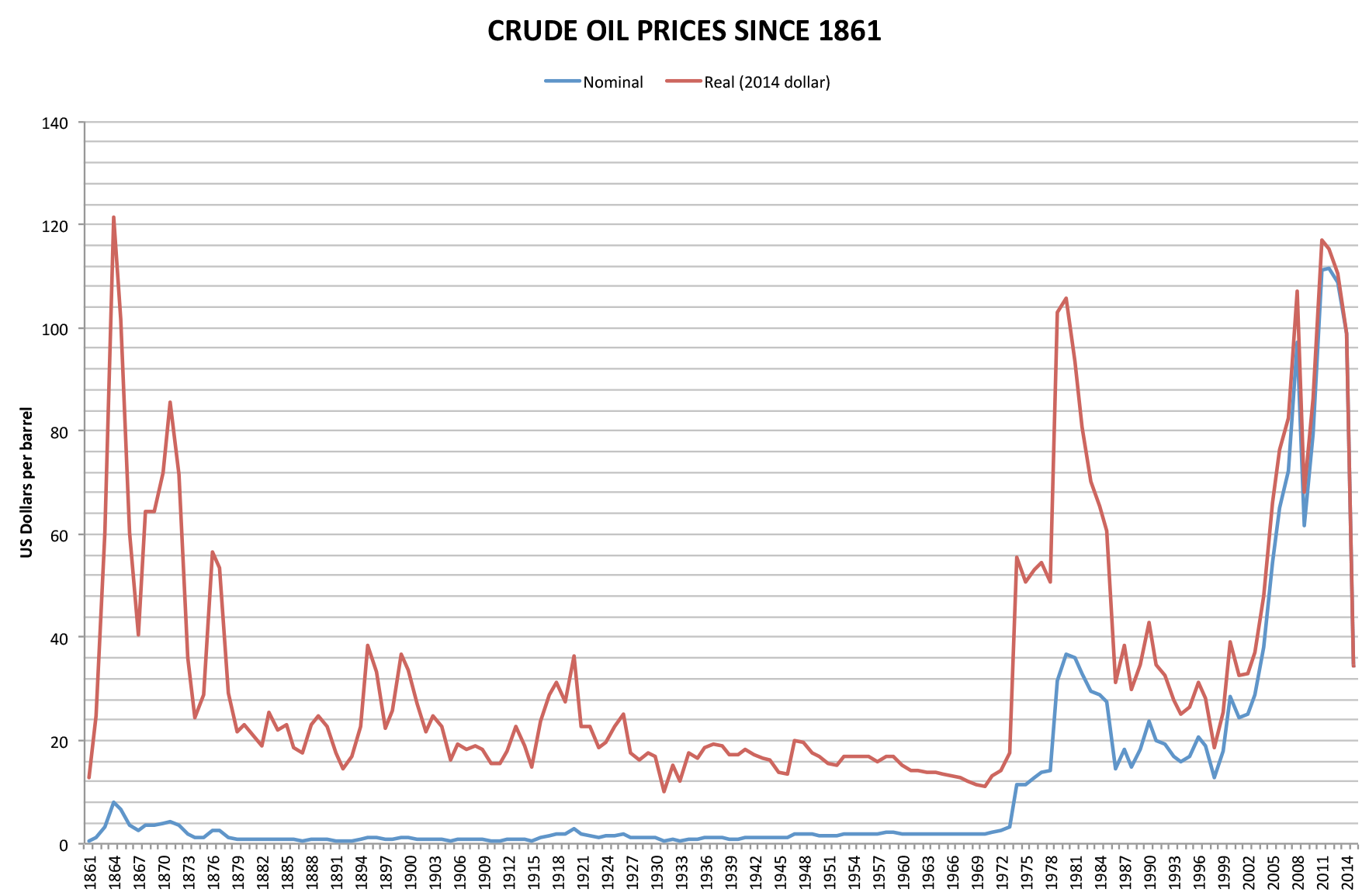
Brent crude closed at $107.72 per barrel May 12: up 3.4% in a single session: as traders abandoned expectations of a quick end to the Iran war. The international benchmark now sits 50% above pre-conflict levels, a move that flows directly into diesel rack prices and fuel surcharges within 72 hours of a crude spike.
The climb reflects market pessimism that diplomatic efforts will produce a near-term ceasefire. Crude futures had pulled back modestly in late April on speculation that talks might cap the conflict, but that window closed as fighting continued into May. Brent's return above $107 puts it within $2 of the March peak, when the war's opening week sent oil markets into their sharpest rally since the 2022 Ukraine invasion.
What the $107 crude floor costs a small fleet
Every $10 move in Brent translates to roughly 24 cents per gallon at the diesel pump within a week, based on historical pass-through rates. At $107.72, fleets are paying approximately $1.20 more per gallon than they were in February, before the conflict began. A five-truck operation running 500 miles per day per truck at 6 mpg burns 417 gallons daily: an extra $500 in fuel cost compared to pre-war baselines, or $15,000 per month.
Fuel surcharges have lagged the crude rally by 10 to 14 days in most contract lanes, leaving owner-operators and small fleets exposed during the gap. Spot loads with immediate FSC adjustments have held margin better, but gasoline hit $4.48 per gallon May 5, up 31 cents in a week, and diesel typically tracks gasoline moves with a two-to-three-day delay. Fleets that locked fixed-rate contracts in Q1 are now underwater on fuel, and renegotiation clauses tied to DOE averages won't catch up until the June index publishes.
How long crude stays above $100
The $107.72 close marks Brent's third consecutive week above $100. Analysts had expected a pullback once speculative positioning unwound, but physical demand from Asia and constrained supply from OPEC producers have kept the floor elevated. The Iran conflict removed roughly 2 million barrels per day from global export markets, a volume that Saudi Arabia and UAE production increases have only partially replaced.
U.S. crude inventories remain 8% below the five-year average for this time of year, and refinery utilization is running at 94%, near maximum capacity, which limits the industry's ability to build diesel stockpiles ahead of summer driving season. The combination of tight supply and sustained geopolitical risk has pushed options traders to price in a 40% chance that Brent reaches $115 by July, according to CME futures data.
The dispatch-board impact
Higher crude prices compress margins on fixed-rate contract freight and push more shippers toward spot tenders with floating fuel components. That shift has added 4% to spot volume in the past 30 days, per load-board transaction data, but spot rates have not risen in step: the national average dry van spot rate sat at $1.68 per mile May 9, up only 3 cents from April despite the fuel surge. The rate gain covers roughly one-quarter of the diesel cost increase, leaving carriers to absorb the rest or reject loads.
Lanes with fuel surcharges indexed to the prior week's DOE average are paying FSC rates that reflect $3.90 diesel, while pumps now show $4.30 to $4.50 depending on region. The mismatch has made Midwest-to-Southeast and Texas-to-California runs particularly tight, as those corridors saw diesel spike faster than the national average. Fleets running those lanes are either sitting or negotiating emergency FSC adjustments mid-contract: a conversation that works only when the shipper has margin to give.
What changes if crude holds here
If Brent stays above $105 through June, expect two operational shifts. First, more small fleets will move contract freight to the back burner and chase spot loads with same-day fuel adjustments, even at lower base rates, the FSC certainty outweighs a 10-cent rate premium when diesel is moving 15 cents a week. Second, fleets with older, less fuel-efficient trucks will face sharper pressure to park units or sell, the fuel penalty on a 5 mpg truck versus a 7 mpg truck is now $100 per day at current diesel prices, and that gap makes the older iron uneconomical on anything but short local runs.
The Jones Act waiver extended in April was meant to ease coastal fuel bottlenecks by allowing foreign-flagged tankers to move product between U.S. ports, but the waiver's impact on diesel rack prices has been modest, most of the supply constraint is upstream at the refinery level, not in coastwise shipping. The waiver runs through late July, and its renewal will depend on whether crude markets stabilize or climb further.