House Speaker Calls Federal Gas Tax Suspension 'Intriguing'
Mike Johnson stopped short of a timeline, but the idea is on the table as diesel holds at $4.48 and crude climbs past $104.


Will Congress suspend the federal gas tax?
House Speaker Mike Johnson called suspending the federal gas tax "an intriguing idea" on May 12 but offered no timeline for action. The 18.4-cent-per-gallon federal diesel tax and 24.4-cent gas tax fund highway maintenance through the Highway Trust Fund. A suspension would cut the pump price but leave states scrambling to replace the revenue.
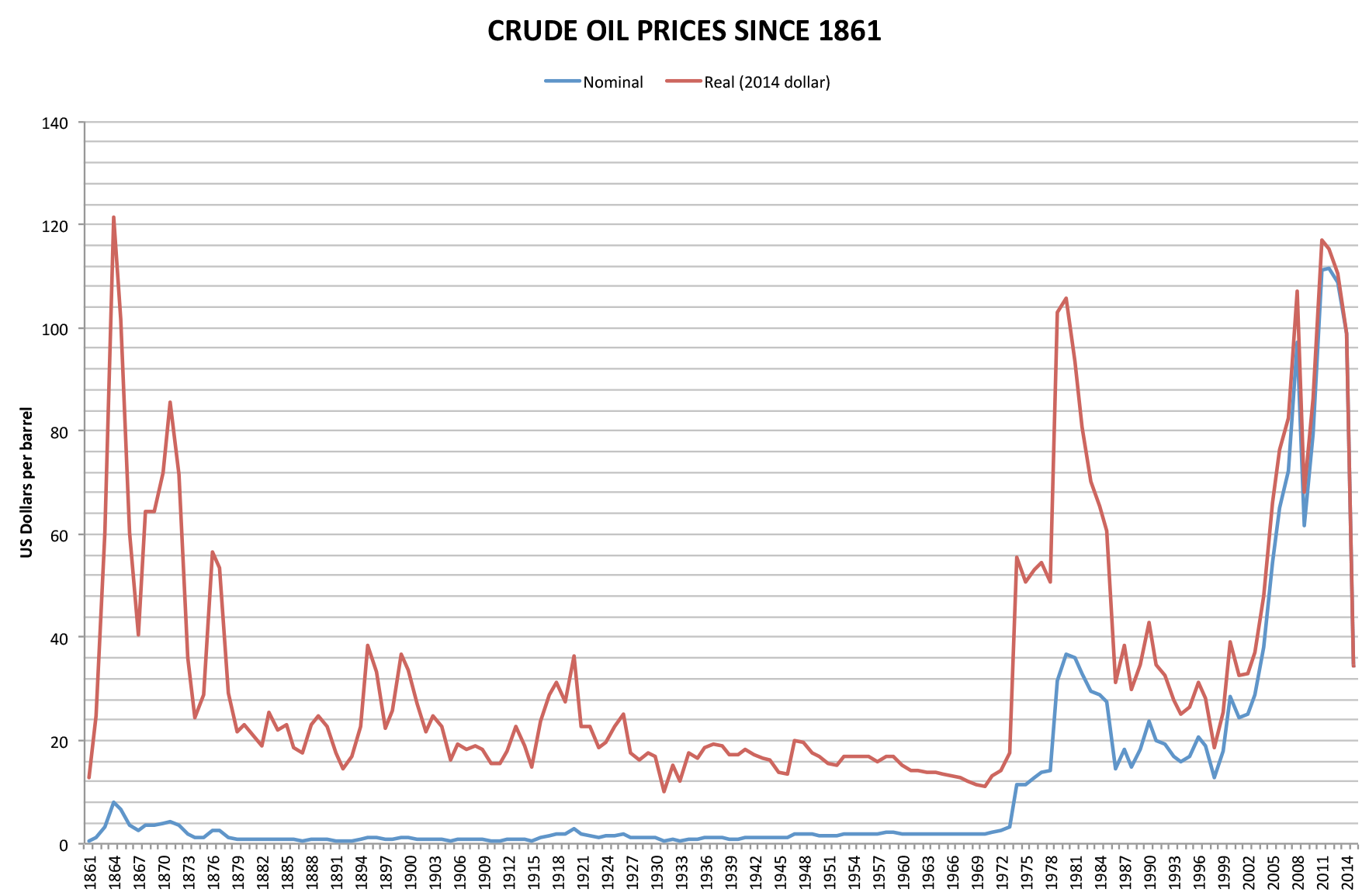
The comment comes as Brent crude jumped 3.5% to $104.88 following the collapse of Iran talks, and diesel retail prices hold at $4.48 per gallon nationally. For a five-truck fleet running 500 miles per day at 6 mpg, the federal diesel tax alone costs roughly $76 per truck per day: $1,900 per week across the fleet. A suspension would drop that line to zero, but only if refiners and retailers pass the savings through to the pump.
What a gas tax suspension means for owner-operators
The federal diesel tax of 24.4 cents per gallon has been unchanged since 1993. A suspension would theoretically cut the pump price by that amount, but past state-level suspensions have shown mixed results. When Maryland suspended its 36.1-cent gas tax in 2022, pump prices dropped by an average of 24 cents, not the full amount, because retailers captured part of the savings. A federal suspension would face the same risk: the tax disappears from the invoice, but the pump price may not fall by the full 24.4 cents.
For an owner-operator running 120,000 miles per year at 6 mpg, the federal diesel tax currently costs $4,880 annually. A full-year suspension would return that amount to the settlement statement only if the pump price drops by the full tax amount. If retailers hold half the savings, the operator sees $2,440 instead.
Why the idea is gaining traction now
Johnson's comment follows a week of crude price volatility tied to Middle East supply disruptions. The Hormuz closure has drained 100 million barrels per week, and Aramco's CEO warned that storage is running low. Diesel prices have held steady at $4.48 for the past two weeks, but the crude rally will hit refined products within days if the closure persists.
A gas tax suspension is a visible political response to high fuel costs, but it does not address the supply side. The Highway Trust Fund collected $39.7 billion from fuel taxes in fiscal 2025. A suspension would require Congress to backfill that revenue from general funds or accept deferred highway maintenance, a cost that eventually shows up as rougher roads and higher truck maintenance bills.
The case against suspension
Transportation economists have consistently argued that gas tax suspensions are inefficient. The tax is paid at the terminal, not the pump, so the savings flow first to refiners and distributors. Whether the savings reach the driver depends on retail competition and margin pressure. In low-competition rural markets, where many small fleets fuel, the pass-through rate is historically lower.
The federal diesel tax also funds the Highway Trust Fund, which pays for interstate maintenance and bridge repair. A suspension without a replacement revenue source would accelerate the fund's insolvency, currently projected for 2028. That insolvency would force cuts to federal highway funding, shifting maintenance costs to states and eventually to carriers through higher state fuel taxes or tolls.
What happens next
Johnson did not commit to a vote or a timeline. The comment signals that the idea is under discussion, but no bill has been introduced. A suspension would require passage in both the House and Senate, and the Senate has shown little appetite for fuel tax changes in the past two years.
For small fleets, the operational question is whether to plan for a 24-cent-per-gallon diesel price drop in the next 60 days. The answer is no. Even if a bill passes quickly, the lag between terminal pricing and pump pricing means the savings would take weeks to appear, and the pass-through rate is uncertain. Fuel budgets should continue to assume $4.48 diesel until the pump price actually moves.