Diesel Jumps 12.6% in One Month, April Fuel Spike Hits Settlements
Wholesale diesel climbed 12.6% from March to April and 22.7% year-over-year as energy prices surged 7.8% in a single month.


How much did diesel prices climb in April?
Diesel jumped 12.6% from March to April at the wholesale level, part of a 7.8% surge in energy prices across the board. Year-over-year, diesel is up 22.7%. Gasoline climbed even faster: 15.6% month-over-month, but diesel's double-digit monthly move hits every settlement statement for fleets without fuel surcharge protection.
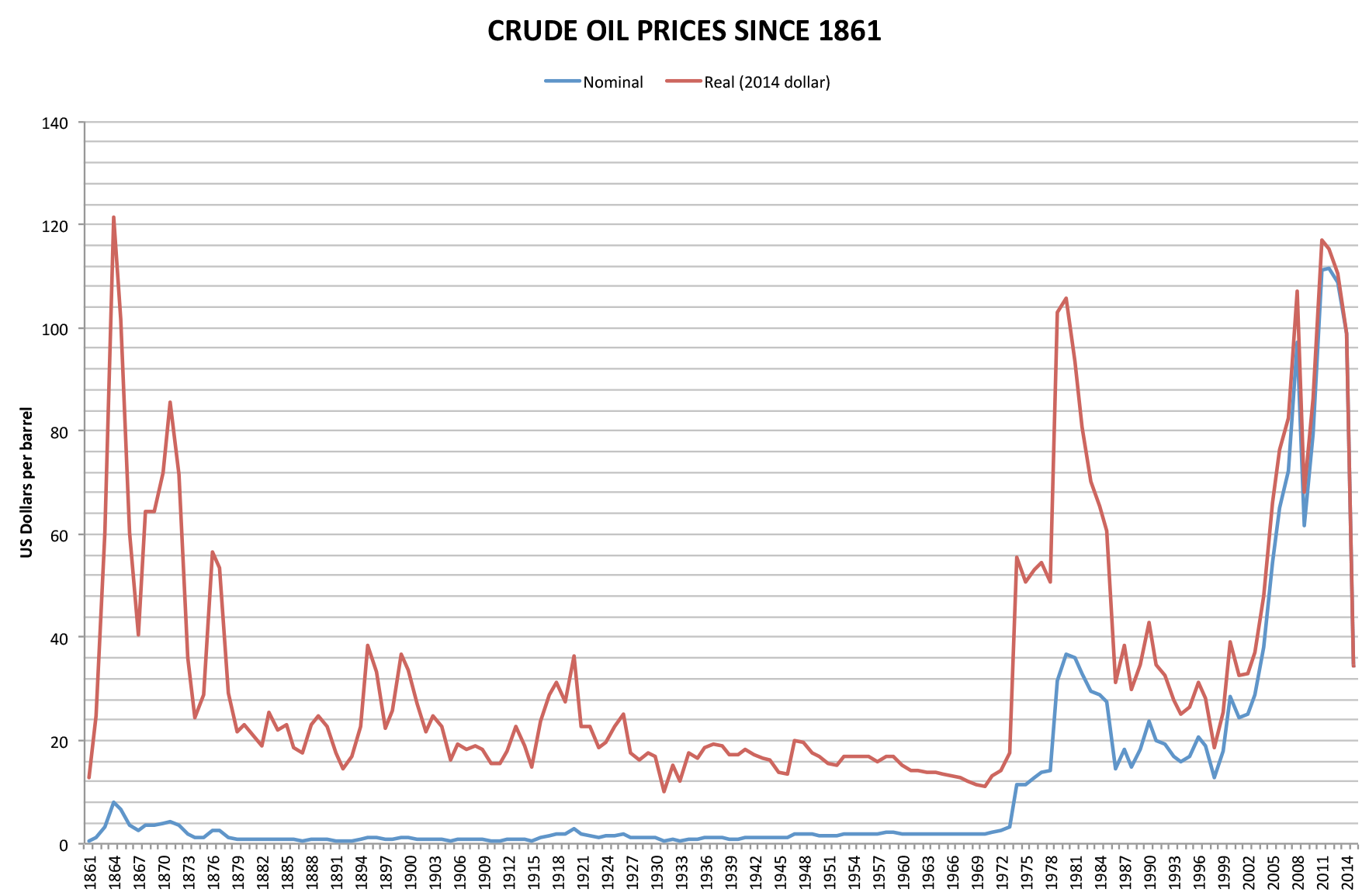
The April spike follows a pattern that started when gasoline hit $4.48/gal in early May: up 50% since the Iran conflict began. Wholesale energy prices climbed 22.7% year-over-year, the sharpest 12-month move since the post-pandemic supply crunch.
What the 12.6% move costs a small fleet
A five-truck fleet running 500 miles per day per truck at 6 mpg burns roughly 417 gallons per day. A 12.6% wholesale price increase, call it 50 cents per gallon at the pump after retail markup, adds $208 per day, or $1,460 per week, to the fuel bill. That's $6,240 per month before any fuel surcharge recovery.
Owner-operators without fuel surcharge clauses in their contracts absorb the full hit. Spot-market loads rarely price in fuel moves this fast, brokers adjust posted rates on a lag, and by the time the board reflects the new floor, the spike has already eaten into margin.
Why energy prices moved 7.8% in one month
Wholesale energy prices climbed 7.8% from March to April, the largest single-month jump since mid-2022. The move reflects crude oil supply disruptions tied to the Iran conflict and refinery maintenance that pulled capacity offline during the spring turnaround season. Gasoline's 15.6% monthly climb outpaced diesel, but diesel's 22.7% year-over-year gain is the number that shows up in annual operating cost comparisons.
The wholesale figure leads retail pump prices by roughly two weeks. Fleets that locked in fuel hedges or surcharge agreements before April saw some insulation. Those running spot freight or on fixed-rate contracts without fuel escalators took the full 12.6% as a margin cut.
How long the fuel spike lasts
Wholesale prices are a leading indicator, retail diesel typically follows within 10 to 14 days. The April wholesale jump means pump prices stayed elevated through mid-May, and the year-over-year comparison suggests the floor has reset higher. Fleets planning Q2 budgets should model diesel at least 20% above last year's average, with no clear signal that prices will retreat before summer.
The Jones Act waiver extended in late April was meant to ease fuel supply constraints by allowing foreign-flagged tankers to move oil and refined products between US ports, but the 90-day extension has not yet translated into measurable pump-price relief. Wholesale diesel's 12.6% monthly climb came after the waiver took effect, indicating supply-side fixes are not keeping pace with demand and geopolitical pressure on crude.
What changes for small fleets
Fleets without fuel surcharge clauses in their contracts are now carrying an additional $1,460 per week per five trucks in unrecovered fuel cost compared to March. That's $75,920 annually for a five-truck operation if the April price level holds. Owner-operators running spot freight face the same math on a per-truck basis: roughly $15,184 per year per truck if diesel stays 22.7% above last year.
The operational response: renegotiate fuel surcharge terms on any contract up for renewal, avoid deadhead miles harder than usual, and price spot loads with the assumption that diesel will not fall below $4.00/gal through summer. The 12.6% monthly move is not a one-time shock, it's the new cost floor until crude supply stabilizes or demand softens enough to pull prices down.