Gas Tax Suspension Floated as Pump Price Hits $4.52
Trump administration considers temporary federal gas tax waiver after Iran conflict pushes diesel and gasoline to multi-year highs.


Will suspending the federal gas tax lower diesel prices for trucking?
The Trump administration is considering a temporary suspension of the federal gas tax after pump prices surged to $4.52 per gallon for regular gasoline as of May 10. The price spike follows U.S. and Israeli military action against Iran in February, which disrupted global oil supply chains and sent fuel costs climbing for the third consecutive month.
The federal gas tax: 18.4 cents per gallon on gasoline and 24.4 cents per gallon on diesel: has not been suspended since its last increase in 1993. A temporary waiver would reduce the per-gallon cost at the pump, though the actual savings for a trucking operation depends on how quickly retailers and wholesalers pass the cut through. Historical precedent is mixed: state-level gas tax holidays in 2022 showed uneven passthrough, with some markets pocketing the difference and others reflecting the full cut within days.
For a small fleet running 50,000 miles per month at 6 mpg, the current diesel price environment translates to roughly $37,500 in monthly fuel spend at $4.50 per gallon. A 24.4-cent federal tax suspension would save approximately $2,033 per month if fully passed through, enough to cover a truck payment or a driver's health insurance premium, but not enough to reverse the broader rate compression most carriers have faced since Q4 2025.
How high have fuel prices climbed since February?
Gasoline has risen 50% since the Iran conflict began in late February, climbing from roughly $3.00 per gallon to the current $4.52. Diesel prices have tracked a similar trajectory, though the Energy Information Administration has not yet published May averages. The prior week's fuel spike saw gasoline hit $4.48 on May 5, up 31 cents in seven days.
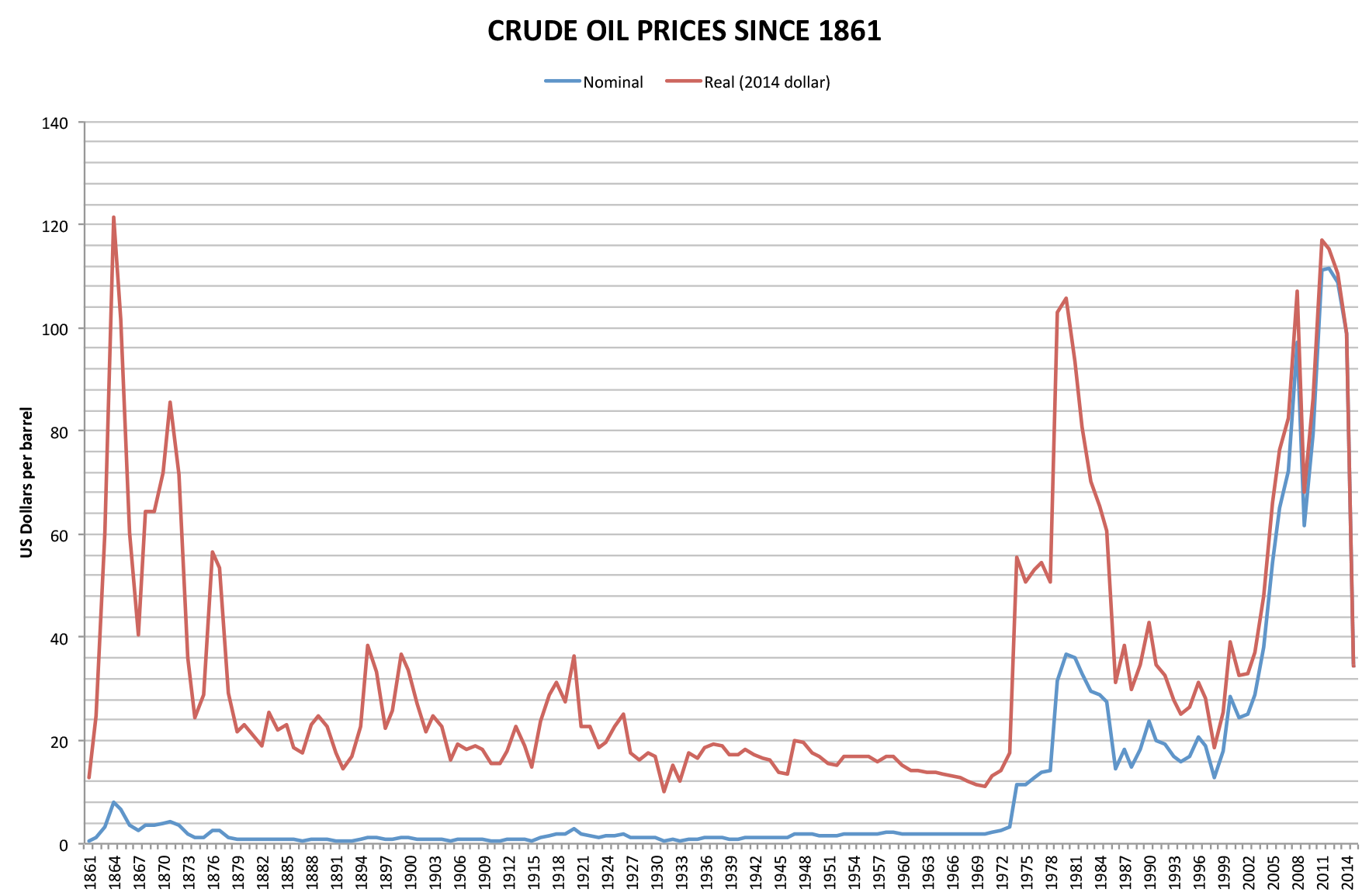
The Iran supply shock compounded an already tight global crude market. OPEC+ production cuts implemented in late 2025 had already reduced spare capacity, and the February strikes on Iranian oil infrastructure removed an estimated 1.2 million barrels per day from global supply. Refinery margins have widened as well, adding 15 to 20 cents per gallon to the crack spread, the difference between crude input cost and refined product output price, compared to January levels.
Small fleets with older equipment or no fuel surcharge clauses in their contracts are absorbing the full cost. Spot market loads that paid $2.10 per mile in February now require $2.35 per mile to break even on fuel alone, assuming 6 mpg and no other cost changes. Contract rates have not kept pace: the majority of annual bids locked in Q4 2025 priced diesel at $3.20 to $3.50 per gallon, leaving a 90-cent to $1.30 gap that carriers must cover out of margin.
What happens if the gas tax suspension moves forward?
A temporary suspension would require Congressional approval unless the administration invokes emergency authority under existing statutes. The Highway Trust Fund, which the gas tax finances, collected $26.5 billion from diesel taxes and $24.3 billion from gasoline taxes in fiscal 2025. A 90-day suspension would reduce federal revenue by approximately $12.7 billion, which Congress would need to backfill through general fund transfers to avoid delaying infrastructure projects already authorized under the 2021 infrastructure law.
The political calculus is straightforward: visible pump-price relief ahead of the 2026 midterms. The operational calculus for trucking is murkier. Fuel surcharges tied to the Department of Energy's weekly diesel index would adjust downward if pump prices fall, potentially clawing back some of the tax savings depending on how the surcharge formula is written. Fleets with cost-plus contracts would see the benefit flow through; those on fixed-rate contracts would pocket the difference until the next bid cycle.
Retail passthrough remains the largest variable. A 2022 analysis of state gas tax holidays in Georgia, Maryland, and Connecticut found that 60% to 85% of the tax cut reached consumers within two weeks, but the remaining 15% to 40% was captured by retailers and wholesalers as margin expansion. Diesel markets are less competitive than gasoline in many rural corridors, which could reduce passthrough rates for trucking compared to consumer gasoline.
Why fuel cost matters more now than in prior rate cycles
Spot rates have been flat to down since November 2025, even as fuel climbed. The DAT Truckload Volume Index showed freight demand up 4.2% year-over-year in April, but capacity remains elevated after two years of muted exits. New authority grants slowed in Q1 2026 but did not reverse: FMCSA issued 11,400 new MC numbers in the first quarter, down from 14,200 in Q1 2025 but still above the pre-pandemic quarterly average of 9,000.
The result is a margin vise. Fuel now represents 28% to 32% of total operating cost for a solo dry van operation, up from 22% to 25% in early 2025. Insurance renewals have added another 8% to 12% to annual cost for fleets with clean records, and 20% to 40% for those with recent claims. A 24-cent diesel tax cut offsets roughly one-third of the fuel cost increase since February, but does nothing for the insurance, tire, and maintenance inflation that has compounded since 2024.
Owner-operators leased to larger carriers may see limited benefit if their lease agreement passes fuel cost through but caps reimbursement at a fixed per-mile rate. Those running under their own authority and negotiating directly with brokers or shippers have more control, but also bear the full cost volatility. The difference between a $4.50 diesel environment and a $4.26 environment (post-tax-cut) is $200 per week for a truck running 2,500 miles, meaningful for cash flow, but not enough to change whether a lane is profitable at current spot rates.
What small fleets should watch
If the gas tax suspension advances, the effective date and duration matter. A suspension beginning June 1 and running through August 31 would cover the summer driving season, when gasoline demand peaks and refinery utilization runs highest. Diesel demand is less seasonal, but a three-month window would let fleets lock in lower fuel costs for Q3 planning.
Retail price movement in the first week after suspension will signal how much of the cut reaches the pump. Fleets should compare their local diesel price to the DOE weekly average and track the gap. If the gap widens after suspension takes effect, it suggests retailers are capturing the tax cut rather than passing it through. In that scenario, fleets with fuel card programs that offer regional price transparency can shift fueling to markets with better passthrough.
Longer term, the suspension does not address the underlying supply tightness. Iran's oil infrastructure will take months to repair, and OPEC+ has given no indication it will reverse production cuts. Crude prices remain above $85 per barrel, and refinery crack spreads are still elevated. When the gas tax returns, whether in 90 days or six months, pump prices will jump by the full tax amount unless crude prices fall or refinery margins compress. Fleets should treat any tax-driven price relief as temporary and avoid locking in long-term contracts that assume $4.26 diesel will hold beyond the suspension window.