Canada Tariff Deal Excludes Heavy Trucks, CTA Warns of Cross-Border Freight Imbalance
Negotiators lowered auto tariffs to 15% but left medium- and heavy-duty trucks at 25%. Canadian Trucking Alliance says fewer southbound loads will strand equipment and raise cross-border costs.


Will the new Canada tariff deal lower rates on heavy-duty trucks?
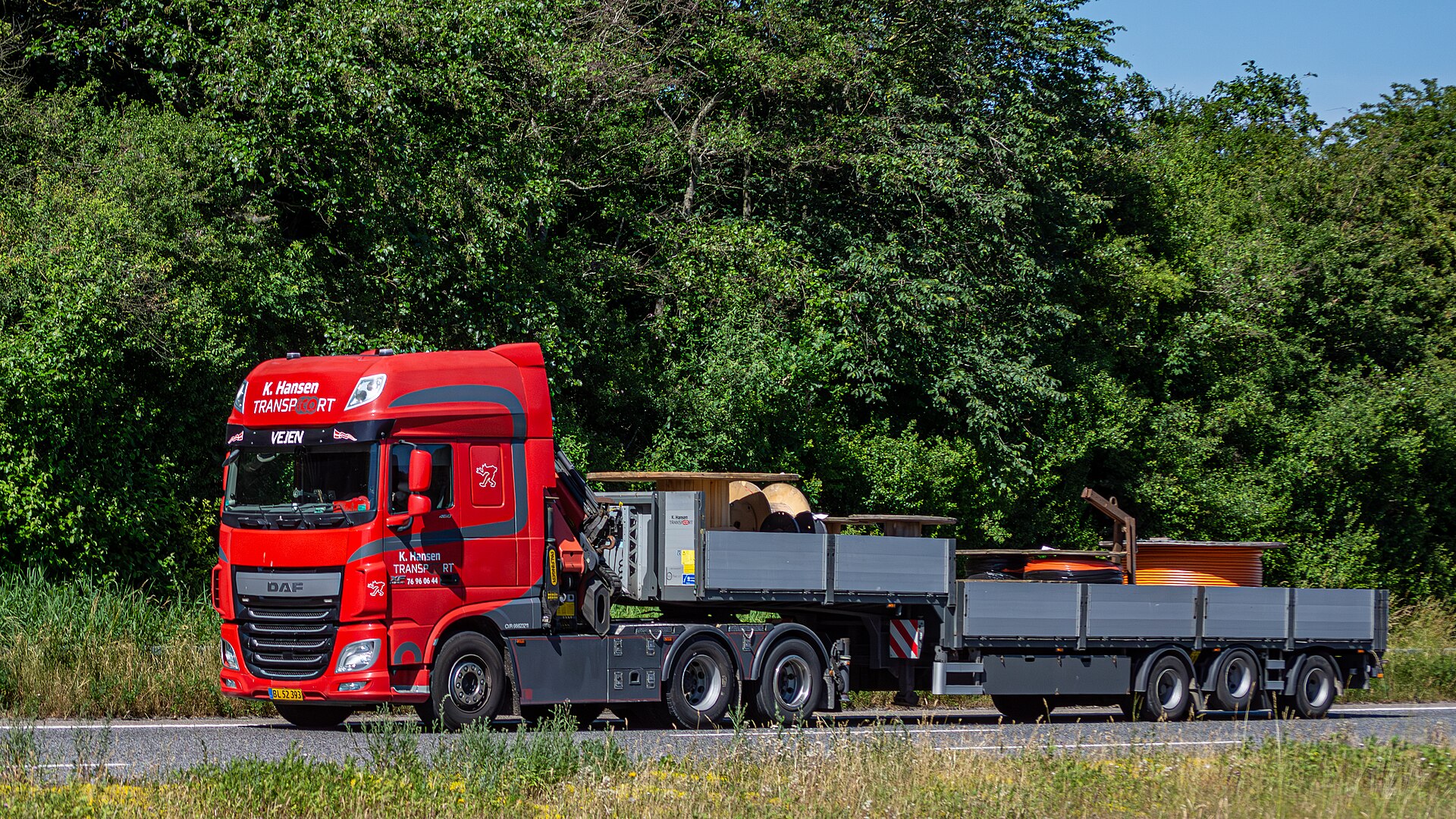
No. Negotiators hammered out a deal that lowers the regular auto tariff to 15% from the current 25%, but Canada wanted that relief expanded to medium- and heavy-duty trucks and did not get it. Heavy-duty trucks remain at 25%.
The Canadian Trucking Alliance (CTA) warned that a prolonged trade war could create problems for trucking on both sides of the border. If Canadian exports to the U.S. decline, Canadian fleets will not only have fewer southbound loads. That also means fewer Canadian trucks will be in the U.S. and available to haul American goods northbound.
What the Equipment Imbalance Means for Cross-Border Freight
The result could be an equipment imbalance that makes cross-border freight harder and more expensive to move, according to the association. Fewer Canadian trucks heading south with export loads means fewer Canadian trucks available in U.S. markets to backhaul American goods north. That imbalance drives up costs for shippers on both sides of the border and leaves capacity stranded where it is not needed.
The dynamic mirrors what happened during earlier trade disputes. When export volumes fall, the trucks that normally carry those loads disappear from the return lane. Shippers then pay more to reposition equipment or wait longer for available capacity.
CTA: Trucking Overlooked in Past Economic Support Programs
CTA argues that trucking needs to be part of any government response to industries hurt by tariffs or declining trade. In past economic support programs, the association said, trucking often was overlooked, even though carriers felt the effects when customers cut production and freight volumes fell.
The warning comes as U.S. tariffs on Canada hit 50% earlier this month, with Section 338 levies landing on cross-border freight. The auto tariff deal negotiated this week offers relief to passenger vehicle manufacturers but leaves commercial truck imports at the higher rate.
Why Canada Wanted Medium- and Heavy-Duty Truck Relief
Canada pushed for medium- and heavy-duty trucks to be included in the 15% tariff tier because those vehicles are essential to cross-border freight operations. Many Canadian fleets run equipment built in the U.S. or Mexico, and the 25% tariff raises the cost of replacing aging trucks or expanding capacity.
The exclusion also creates a competitive gap. Passenger vehicle manufacturers now face a 15% tariff, while commercial truck buyers still pay 25%. That gap distorts capital allocation decisions for fleets that operate both light-duty service vehicles and heavy-duty tractors.
What Cross-Border Fleets Should Watch
Fleets running U.S.-Canada lanes should monitor export volumes in key sectors. If Canadian manufacturers cut production in response to tariffs, southbound freight volumes will fall first. That decline will show up in tender volumes and load-to-truck ratios before it hits equipment availability.
Carriers should also track government support programs. CTA's warning that trucking was overlooked in past relief efforts means fleets may need to advocate directly for inclusion in any new economic response package. Past programs focused on manufacturers and shippers, not the carriers that moved the freight.
The tariff structure remains fluid. The auto tariff deal shows that negotiators are willing to adjust rates for specific sectors, but heavy-duty trucks did not make the cut this round. Fleets should plan for the 25% rate to remain in place until a new agreement explicitly includes commercial vehicles.