CBP Seizes $9.5M Meth Hidden in Detergent Load at Roma, Texas Bridge
Officers found 1,071 pounds of suspected methamphetamine concealed in a commercial detergent shipment Aug. 11. Driver turned over to Roma Police for criminal investigation.


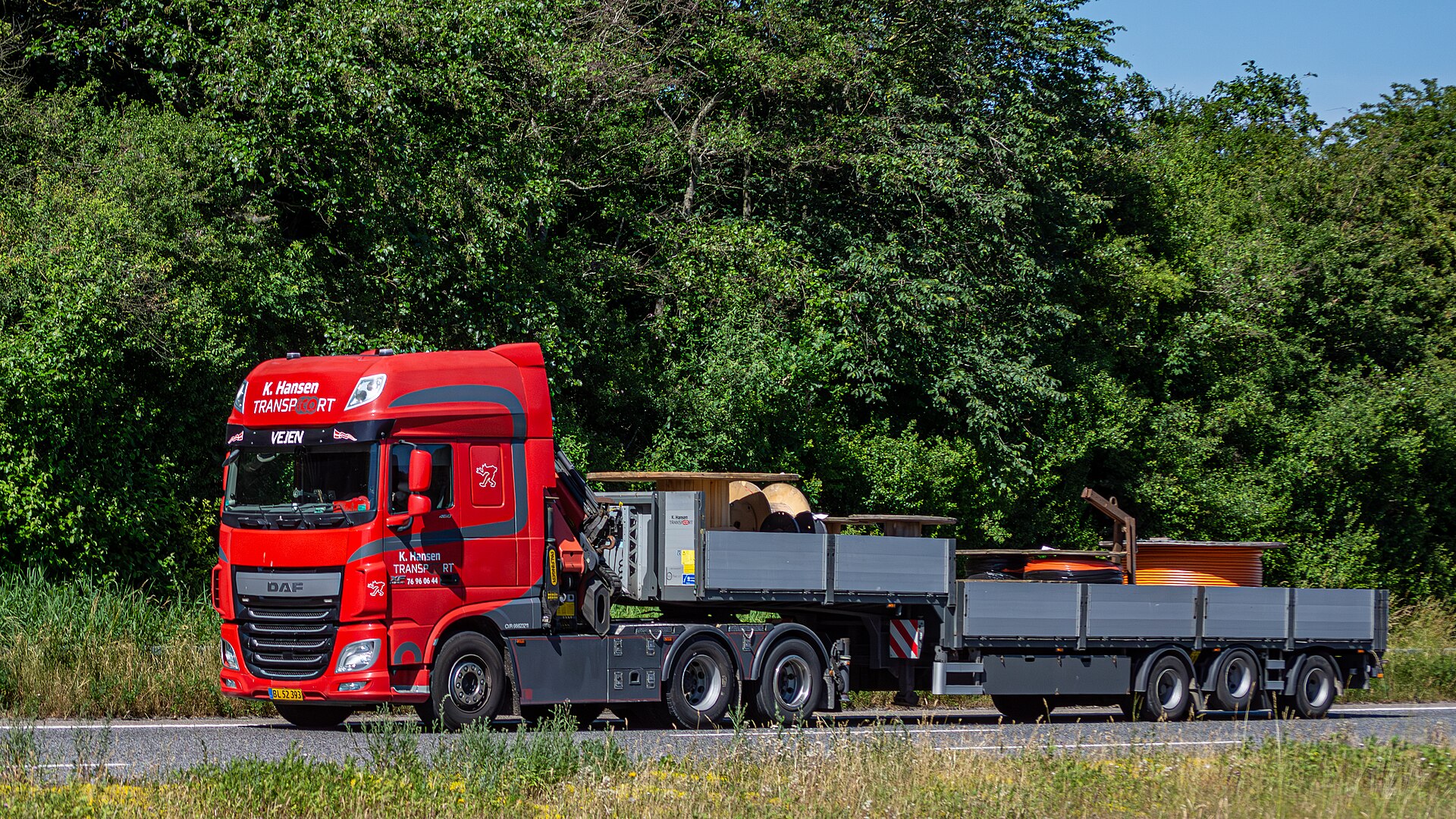
U.S. Customs and Border Protection officers seized more than $9.5 million in suspected methamphetamine hidden inside a commercial detergent shipment at the Roma International Bridge on Aug. 11. A 2012 tractor-trailer arrived from Mexico carrying the declared load. Officers directed the vehicle to secondary inspection.
What did CBP find in the detergent shipment?
CBP used nonintrusive inspection equipment and a canine team during the search. Authorities discovered 240 bundles concealed within the detergent load. The packages contained 1,071 pounds (485.78 kilograms) of suspected methamphetamine. CBP estimated the narcotics had a street value exceeding $9.57 million.
"Drug smugglers sometimes try to hide in plain sight, but our frontline CBP officers remain vigilant," Port Director Andres Guerra stated. Guerra oversees the Roma Port of Entry. He credited technology and experience with helping personnel identify the contraband.
Officers seized the drugs and turned the driver, tractor-trailer, and suspected narcotics over to the Roma Police Department. Local authorities opened a criminal investigation following the seizure.
What CBP did not disclose
The federal announcement did not identify the person operating the vehicle. CBP also did not announce criminal charges in its release. The agency provided no information about the shipment's origin beyond its arrival from Mexico.
Officials did not identify a shipper, carrier, broker, or intended recipient. Authorities also provided no details explaining how the narcotics entered the detergent shipment. The announcement did not identify any additional suspects or organizations connected with the load.
Why this matters for cross-border carriers
The Roma International Bridge connects Roma, Texas, with Ciudad Miguel Alemán, Tamaulipas, Mexico. Commercial vehicles use the crossing to transport freight between both countries. This seizure involved a tractor-trailer carrying a declared detergent shipment into the United States.
Commercial shipments can provide concealment opportunities for large quantities of illegal drugs moving through international freight channels. This case shows why border inspections remain important even when documentation and declared cargo appear routine.
Carriers hauling cross-border freight face secondary inspection at any time. CBP uses nonintrusive inspection equipment (X-ray and gamma-ray imaging systems) and canine teams to screen commercial loads. A clean bill of lading does not guarantee passage.
What carriers should verify before accepting cross-border loads
Know your shipper. Verify the company exists at the pickup address. Check how long the shipper has been in business. Ask for references from other carriers who have hauled for them.
Inspect seals before leaving the yard. Document seal numbers and trailer condition with photos. Report broken or missing seals immediately. A carrier who accepts a load with a compromised seal may face liability if contraband is discovered.
Understand that CBP can seize your equipment. The agency has authority to hold tractors and trailers pending investigation, even when the driver had no knowledge of concealed narcotics. Some carriers require shippers to post bonds covering equipment value before accepting cross-border loads.
Investigators may release further information as the criminal case develops. Carriers operating the Roma crossing should expect continued scrutiny of detergent and similar bulk commodity shipments in coming weeks.