Diesel Hits $6.29/Gal as Iran War Pushes Fuel to Top Fleet Concern
Fuel cost jumped 65% year over year to $0.482 per mile in 2025, now the second-largest line item after driver pay. Oil at $97.83/barrel despite record U.S. production.


Why did diesel prices spike 65% this year?
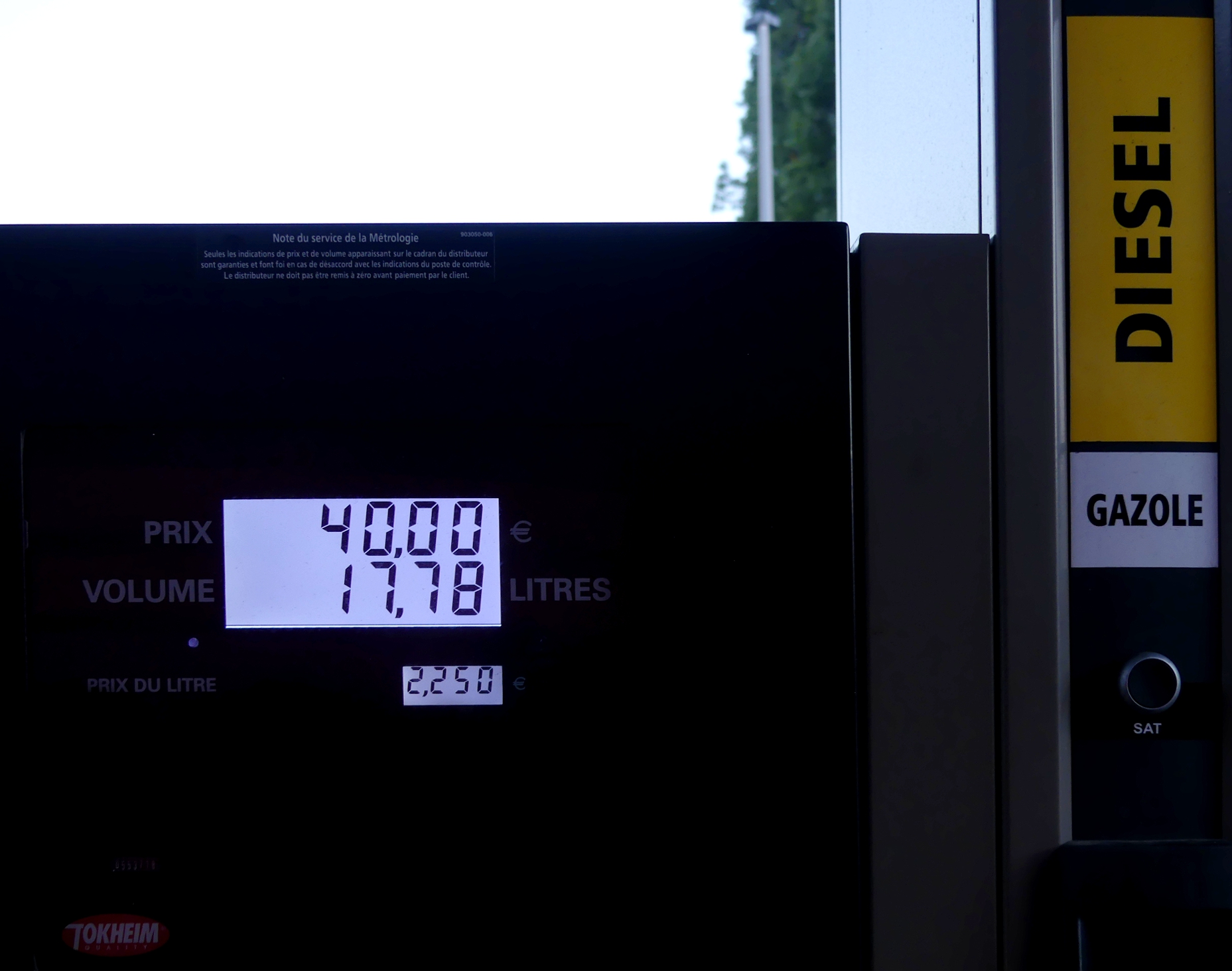
Diesel averaged $6.292 per gallon as of November 2 according to the Energy Information Administration, or $6.172 per gallon per AAA's latest data. That's up 65% year over year. The Iran War closed the Strait of Hormuz and triggered a cascade of attacks and supply disruptions across Middle East petroleum transport routes. U.S. carriers, thousands of miles from the conflict, are paying the bill at the pump.
Fuel now costs $0.482 per mile for the average for-hire fleet in 2025, making it the second-largest operating expense behind driver wages and benefits ($1.28 per mile) and ahead of truck and trailer payments ($0.404 per mile). That per-mile fuel figure reflects 2025 averages. The 65% spike hit after those numbers closed.
Oil prices drove the diesel surge. Brent crude averaged $97.83 per barrel on November 6, up 54% year over year. West Texas Intermediate crude hit $94.37 per barrel, up 56%. The U.S. is producing more oil this year than ever before, averaging 13,788,750 barrels per day in 2026 according to EIA field production data. That extra domestic output can't outpace supply constraints and inventory drawdowns caused by the conflict.
Fuel tops the industry's concern list by a wide margin
The American Transportation Research Institute surveyed over 3,000 industry respondents from August to October, capturing fleets as fuel costs climbed. Fuel ranked as the industry's top concern by a wide margin. The timing of the survey caught the spike in real time.
For a 10-truck fleet running 100,000 miles per truck per year, the 65% fuel price increase translates to an extra $314,300 in annual fuel cost compared to last year, assuming 6 mpg. A five-truck operation running the same mileage pays an additional $157,150. Those figures assume fuel efficiency held steady. Most fleets saw mpg drop slightly as drivers adjusted routes to avoid congestion or idled longer in high-cost urban markets.
Tolls rose 13.2% in 2025, the fastest-growing cost category in last year's data. Repair and maintenance climbed 8.6%. Driver benefits increased 6.6%. Fuel wasn't in the top three fastest-growing costs in 2025 because the Iran War and the Strait of Hormuz closure happened after that data set closed. Fuel is now the story.
What a 50-truck fleet pays per week at $6.29 diesel
A 50-truck fleet running 500 miles per day per truck at 6 mpg burns 4,167 gallons per day. At $6.29 per gallon, that's $26,210 per day in fuel, or $183,470 per week. The same fleet paid $15,885 per day a year ago when diesel averaged $3.81 per gallon, or $111,195 per week. The difference is $72,275 per week, or $3.76 million annualized.
Small fleets with thin margins can't absorb that kind of hit without passing it to shippers or cutting elsewhere. Fuel costs climbed 18% between August and mid-October, and fleets that locked in fuel cards with cents-off programs or negotiated surcharges into contracts saw some relief. Fleets that didn't are eating the difference or parking trucks.
How long the spike lasts depends on the Strait
The Strait of Hormuz remains closed or restricted, and no clear timeline for reopening has emerged. Oil futures markets are pricing in continued disruption through at least the first quarter of 2027. If the Strait reopens and Middle East supply stabilizes, diesel could fall back toward $4.50 to $5.00 per gallon within 90 days. If the conflict expands or other chokepoints close, $7.00 per gallon is possible.
U.S. production at record levels provides some cushion, but the global oil market sets the price. Domestic output can't insulate carriers from international supply shocks when a fifth of the world's petroleum moves through a single 21-mile-wide waterway.
For small fleets, the operational response is the same regardless of geopolitics: lock fuel surcharges into every contract, use fuel cards that offer the deepest per-gallon discount, and track mpg daily. A tenth of a mile per gallon saves a 50-truck fleet $15,000 a year, and that math scales linearly when diesel is at $6.29 instead of $3.81. The higher the fuel price, the more each efficiency gain is worth.
The bill for a 10-truck fleet
A 10-truck fleet running 100,000 miles per truck per year at 6 mpg will spend $1,048,333 on fuel in 2026 at $6.29 per gallon. That same fleet spent $635,000 last year at $3.81 per gallon. The $413,333 difference is larger than most small fleets' annual profit. Fleets that can't pass the cost to shippers through fuel surcharges or rate increases are deciding whether to park trucks, cut driver pay (which accelerates turnover), or shut down.
The fastest-growing cost categories from 2025 (tolls, repair and maintenance, driver benefits) are still climbing, but fuel has overtaken all of them. Fuel is now the single largest variable cost a small fleet faces, and it's moving faster than any other line item. The Iran War put fuel back at the top of the industry's concern list, and it will stay there until the Strait reopens or oil prices collapse for another reason.