Five West Coast Governments Plan Zero-Emission Truck Corridor
BC2BC initiative targets coordinated charging and hydrogen infrastructure from British Columbia to Baja California.


Five governments along the West Coast have signed a statement of principles to coordinate zero-emission truck infrastructure and technical standards on freight routes between Canada and Mexico. The BC2BC initiative (British Columbia to Baja California) aims to align charging station placement, hydrogen fueling, and grid capacity planning across state and international borders.
What infrastructure will the corridor provide?
The agreement does not specify charging station counts, hydrogen fueling capacity, or timeline milestones. The statement of principles outlines coordination goals but leaves implementation details to future planning rounds. California State Transportation Agency, CALSTART/Drive to Zero, and the Institute of Transportation Studies at UC Davis are supporting the planning effort.
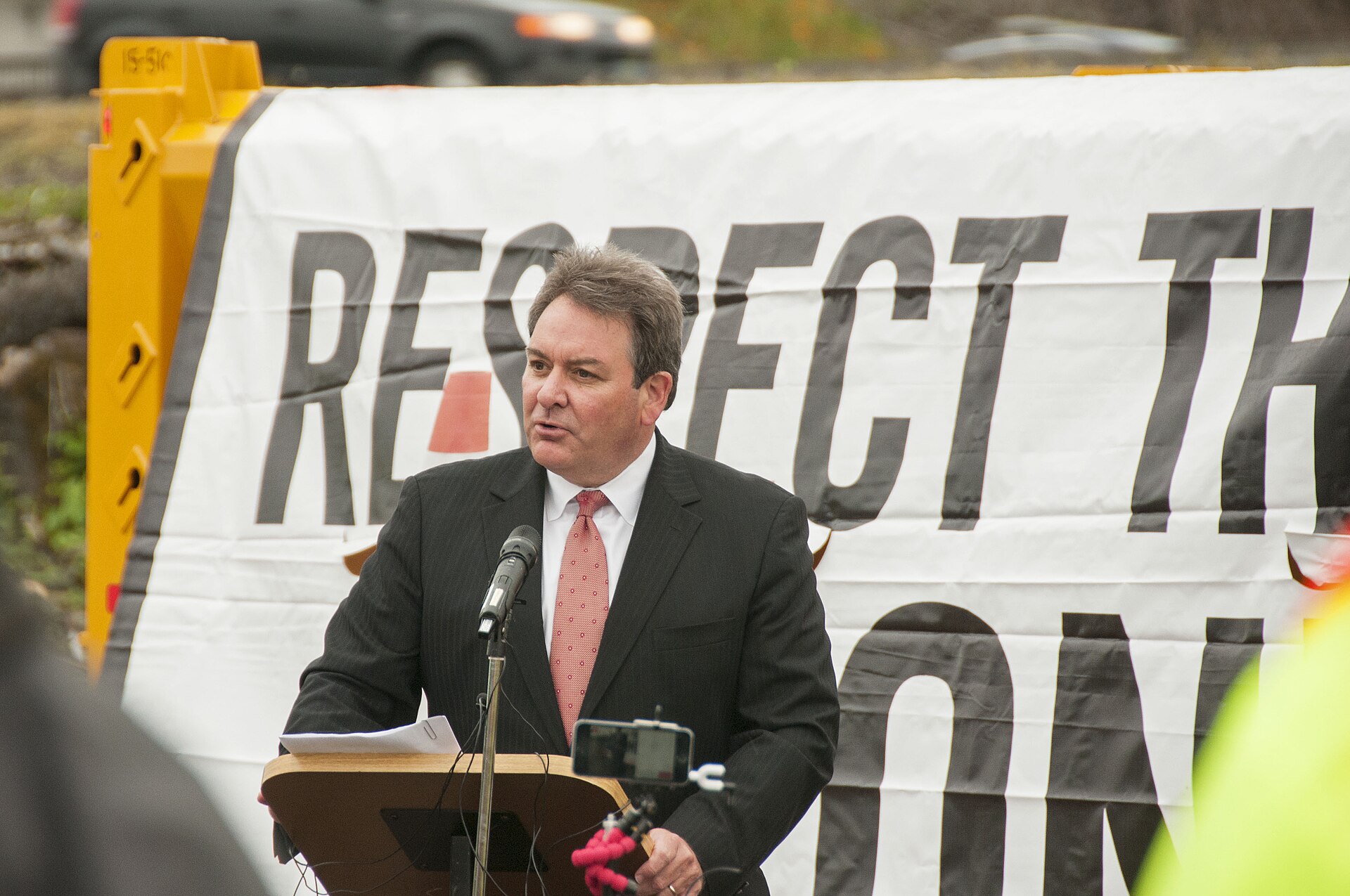
Noel Hacegaba, CEO of the Port of Long Beach, said the agreement could help provide the infrastructure support trucking companies need to move toward zero-emission trucks on major freight routes. The Port of Long Beach is targeting 20 million containers annually by 2050 and aims to become the first zero-emission port in North America.
Which trucks were demonstrated?
Zero-emission trucks from IMC Logistics and 4Gen Logistics were on display at the announcement, along with units from Volvo, Tesla, and ZM Trucks. 4Gen Logistics is working toward a fully zero-emission drayage fleet. No technical specifications, battery capacities, or range figures were disclosed for the displayed units.
What this means for cross-border drayage
The corridor targets the highest-volume freight lane on the West Coast. Coordinated infrastructure standards could reduce the risk that a battery-electric tractor spec'd for California port work runs out of range or charging compatibility before reaching a distribution center in Oregon or British Columbia. For fleets running Long Beach-Mexico routes with mixed CNG and EV power, the initiative may eventually provide charging or hydrogen fueling at intervals that match current diesel stop patterns.
The statement of principles does not address weight exemptions, cross-border permitting for hydrogen tanks, or whether charging infrastructure will be built to support Class 8 tractors pulling 80,000-pound loads or lighter drayage configurations. Those details will determine whether the corridor serves local port shuttles or long-haul freight.