FMCSA Expands Fuel Hauler Waiver to Cover Ethanol, Heating Oil
Administrator Derek Barrs adds two fuel types to existing hours-of-service waiver as global supply disruptions and rising costs tighten delivery windows.

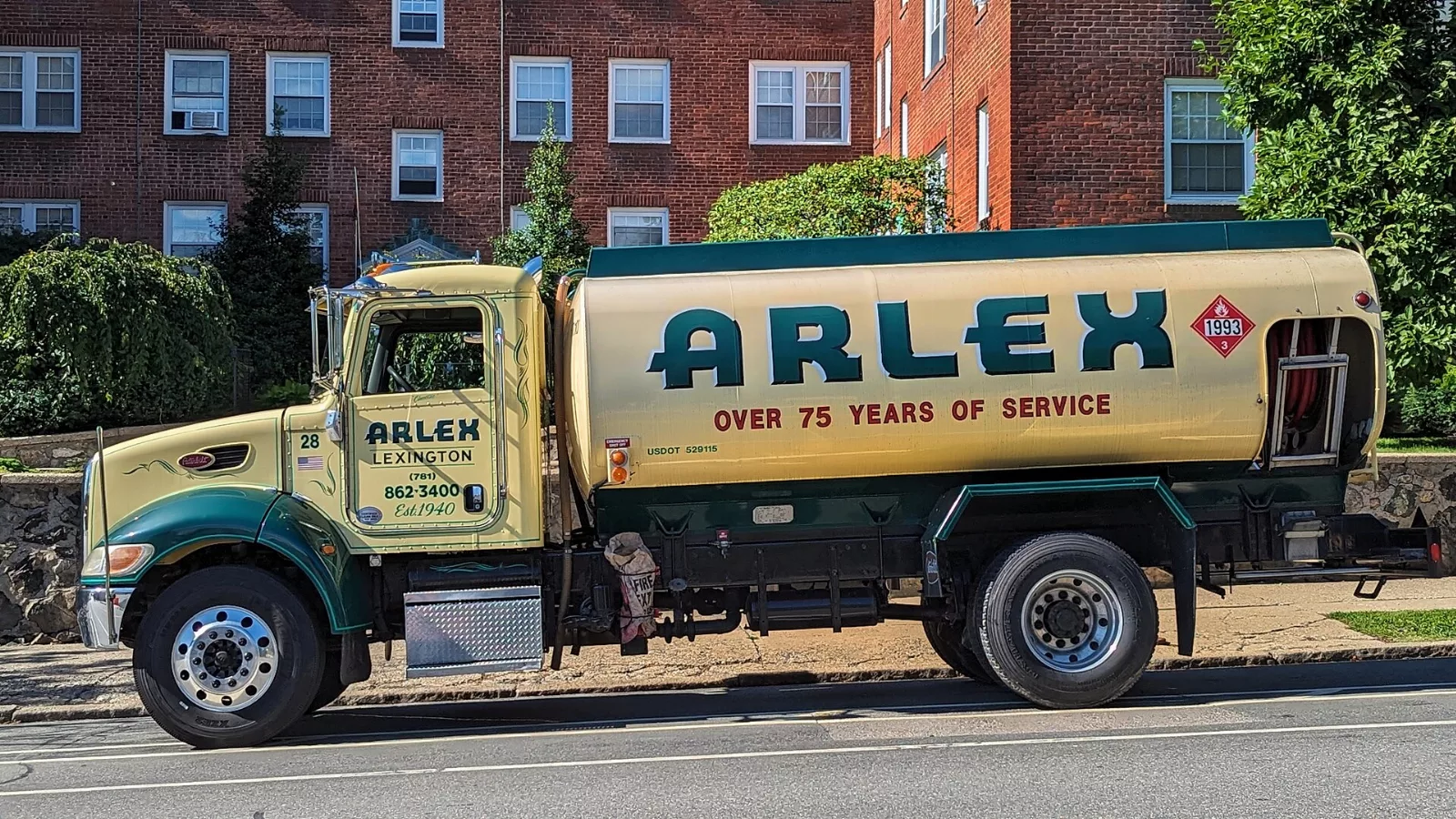
FMCSA Administrator Derek Barrs expanded the agency's fuel hauler waiver on October 21, 2026, to include ethanol and heating oil. The waiver gives motor carriers transporting these fuels additional flexibility on hours-of-service (HOS) limits to offset global supply disruptions, higher demand, and rising costs.
What does the expanded fuel hauler waiver allow?
The waiver permits carriers hauling ethanol and heating oil to exceed the standard 11-hour driving window and 14-hour on-duty limit when delivering fuel to areas experiencing shortages or price spikes. FMCSA originally issued fuel hauler waivers for gasoline and diesel during prior supply crises. This expansion adds two fuel types that see seasonal demand surges and supply chain bottlenecks.
Carriers operating under the waiver must still comply with the 10-hour off-duty rest requirement between shifts. The waiver does not suspend the 60/70-hour weekly limit or the 30-minute break rule. Drivers hauling ethanol or heating oil under the waiver must document the load and the supply condition justifying the extended hours in their logs.
Why FMCSA expanded the waiver now
Administrator Barrs cited global supply disruptions and rising fuel costs as the reason for the expansion. Heating oil demand climbs in fall and winter as residential and commercial customers prepare for cold weather. Ethanol supply chains face pressure from agricultural production cycles and blending mandates that require timely delivery to terminals.
The waiver gives carriers the ability to complete deliveries when terminals face inventory shortages or when weather delays create backlogs. Without the waiver, drivers hauling ethanol or heating oil would hit their 14-hour clock and park with a partial load still on the truck, delaying delivery by another 10 hours.
What carriers must do to use the waiver
Carriers must ensure drivers understand the waiver's scope before dispatching loads under the expanded HOS limits. The waiver applies only to ethanol and heating oil hauls. Drivers hauling other commodities remain subject to standard HOS rules.
Fleets should update their ELD settings or driver instructions to flag ethanol and heating oil loads as waiver-eligible. Drivers must annotate their logs with the waiver reference and the supply condition (shortage, price spike, or delivery backlog) that justifies the extended hours. FMCSA enforcement officers will ask for this documentation during roadside inspections.
Carriers using the waiver should monitor CSA scores for HOS violations that occur outside the waiver's scope. A driver who exceeds the 14-hour limit while hauling a non-covered fuel will still receive a violation and the associated CSA points. The waiver does not provide blanket HOS relief for all fuel hauls.
How long the waiver remains in effect
FMCSA did not publish an expiration date for the expanded waiver in the October 21 announcement. Previous fuel hauler waivers have remained in effect for months or years, depending on market conditions. Carriers should check FMCSA's waiver page for updates if supply conditions stabilize or if the agency narrows the waiver's scope.
The agency has issued similar waivers during hurricane seasons, refinery outages, and pipeline shutdowns. The ethanol and heating oil expansion follows the same pattern: FMCSA grants temporary HOS relief when fuel supply chains cannot meet demand under standard driving limits.
What this means for small fleets and owner-operators
Small fleets and owner-operators hauling ethanol or heating oil can now accept loads that require extended driving windows without risking HOS violations. The waiver is particularly useful for carriers serving rural terminals or customers in areas with limited fuel infrastructure.
Drivers should confirm with dispatch that the load qualifies for the waiver before exceeding the 14-hour limit. A misunderstanding about which fuels are covered will result in a violation that the waiver does not protect. Keep a copy of the waiver reference in the cab and be prepared to explain the supply condition to enforcement officers.
Fleets should also review their insurance policies to confirm that coverage remains in place when drivers operate under an FMCSA waiver. Some insurers require notification when carriers use emergency or temporary HOS relief.