Heniff Builds Ohio Sweetener Terminal for Cargill
Dedicated transload facility marks latest private infrastructure play by bulk liquid carrier.

What is Heniff building in Ohio?
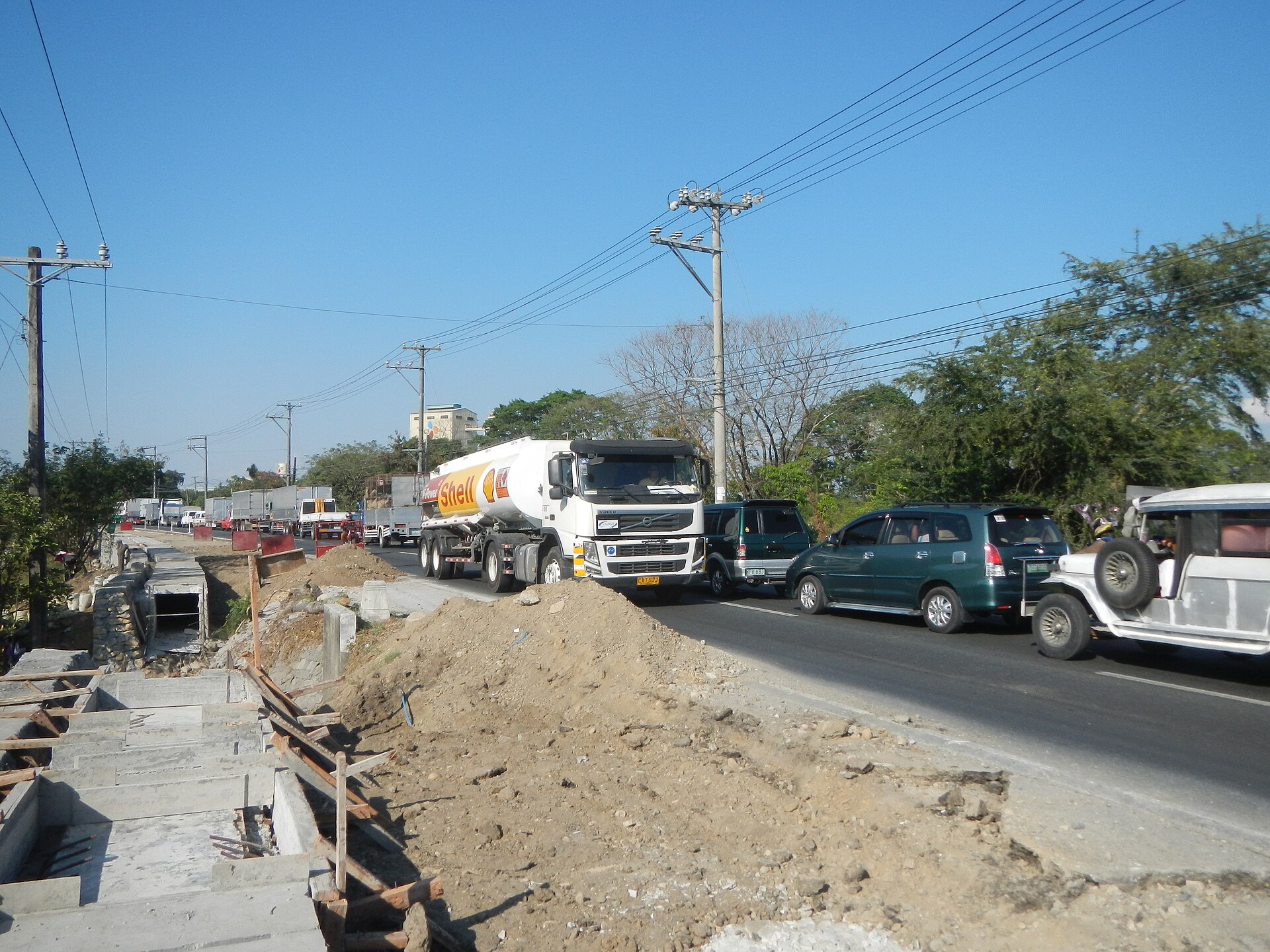
Heniff Transportation Systems will develop a sweetener transload facility in Ohio dedicated to serving Cargill and its customers, the bulk liquid carrier announced Nov. 2. The terminal will handle sweetener products exclusively for the agricultural giant.
The move continues a trend of carriers building dedicated infrastructure for single shippers. Private terminals let carriers lock in volume and avoid spot-market volatility, while shippers gain guaranteed capacity and faster turnaround times. For Heniff, a family-owned bulk hauler based in Texas, the Ohio facility represents a bet on stable contract revenue in a market where spot rates have been under pressure for two years.
Transload facilities bridge rail and truck networks. Product arrives by rail, gets stored in tanks or silos, then moves out by truck to final destinations. Sweeteners (high-fructose corn syrup, liquid sugar, glucose) are a staple cargo for food manufacturers and beverage bottlers. Cargill is one of the largest sweetener producers in North America.
Why Cargill needs a dedicated terminal
Cargill's sweetener business requires consistent, food-grade handling. Contamination risk is high when tanks carry multiple products. A dedicated facility eliminates cross-contamination and speeds up loading cycles. For Heniff, the investment makes sense only if Cargill commits to multi-year volume. The announcement does not disclose contract length, capital outlay, or tank capacity.
Ohio sits at the intersection of major rail lines and truck corridors serving the Midwest and Northeast. A transload terminal there can reach Chicago, Detroit, Pittsburgh, and Columbus within a day's drive. Cargill operates corn-processing plants in the region, making Ohio a logical hub for sweetener distribution.
What it means for small fleets
Dedicated terminals like this one pull volume out of the spot market. If Heniff commits 20 or 30 trucks to the Cargill facility, those trucks are no longer bidding on open loads. That tightens available capacity slightly, but the effect is marginal unless multiple carriers build similar infrastructure in the same quarter.
For owner-operators, the takeaway is indirect. Bulk liquid is a specialized segment requiring food-grade tanks, kosher certification, and often higher insurance limits. Most small fleets do not compete for sweetener loads. But the broader pattern matters: when large carriers lock in private infrastructure deals, it signals that shippers are willing to pay a premium for guaranteed service. That dynamic has not yet translated into higher spot rates for dry van or reefer, but it shows where shipper dollars are flowing.
Heniff's move also reflects a capital environment where carriers with balance-sheet strength can still invest. Many small and mid-sized carriers have been shedding trucks and cutting overhead since 2023. Heniff, by contrast, is adding fixed assets. That gap between large and small carriers has widened every quarter since the freight recession began.
The Ohio facility in context
The announcement does not specify a city or county, construction timeline, or employment figures. Heniff operates more than 1,000 tractors and 2,000 trailers, primarily in bulk liquid and chemical transport. The company has built terminals before, including facilities in Texas and the Southeast.
Cargill's sweetener division has faced margin pressure as corn prices fluctuated and beverage companies reformulated products to reduce sugar content. A dedicated terminal with a reliable carrier partner helps Cargill control logistics costs and maintain delivery schedules to bottlers and food manufacturers.
For Heniff, the Ohio project is a hedge against rate volatility. Contract rates for bulk liquid have held up better than dry van or reefer, but they have not grown. A dedicated facility with guaranteed volume lets Heniff plan driver schedules, maintenance cycles, and capital spending without guessing at next quarter's load count.
What happens next
The announcement does not include a groundbreaking date or completion target. Permitting and construction for a transload terminal typically take 12 to 18 months, depending on site prep and local approvals. Heniff will need to secure rail access, install storage tanks, and build truck loading bays.
Once operational, the facility will likely run 24/7 to maximize throughput. Sweetener is a time-sensitive cargo for beverage and food production lines. Any delay in delivery can shut down a bottling plant or bakery. That urgency is why Cargill is willing to pay for dedicated infrastructure rather than rely on shared terminals.
For small fleets watching the market, the lesson is simple: shippers with deep pockets are buying their way out of the spot market. That leaves fewer loads for everyone else, but it also means the loads that do hit the board are increasingly distressed freight or last-minute fill-ins. Rates on those loads can spike, but they are unpredictable. The middle ground, where a 10-truck fleet could count on steady contract lanes at decent rates, continues to shrink.