Intermodal Volume Jumps 8.3% as Truckload Rates Push Freight to Rail
Rail containers and trailers rose 8.3% year-over-year in the week ending November 21, while commodity carloads edged up just 0.5%. Strong intermodal growth points to continued modal shift from highway to rail.


Why is intermodal volume climbing while carload freight stays flat?
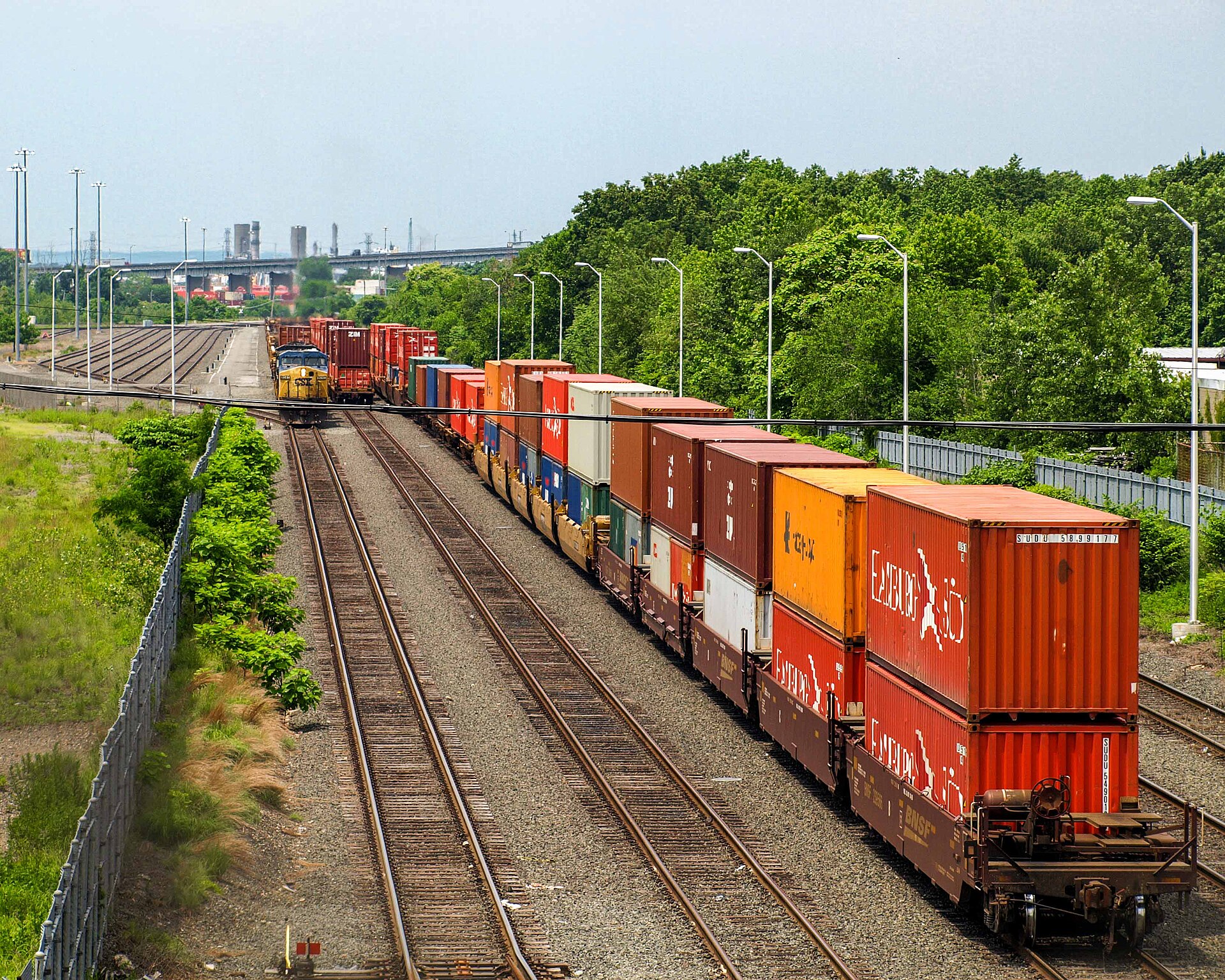
Rail intermodal volume jumped 8.3% year-over-year in the week ending November 21, while commodity carloads rose just 0.5%, according to the Association of American Railroads. The divergence marks the latest sign that shippers continue moving long-haul freight from trucks to rail as truckload rates remain elevated. Total U.S. rail traffic climbed 4.7% for the week.
The intermodal surge reflects sustained import and holiday-season shipping demand. Containers and trailers moving by rail carry consumer goods, retail logistics, and cross-country freight that would otherwise move by truckload. The 8.3% weekly gain follows months of double-digit intermodal growth earlier in 2026, when rising truckload rates pushed long-haul freight to rail and average load length dropped 21% since 2024.
Which commodity groups drove carload gains?
Six of the 10 carload commodity groups posted gains. Metallic ores and metals used in steelmaking led at 17.9%. Forest products rose 11% despite real estate market issues. Petroleum and petroleum products improved 11.2%, and motor vehicles and parts rose 8.3% as year-end sales promotions outweighed higher interest rates. Farm products excluding grain and food were up 6.2%, and chemicals increased 2.1%.
Four groups declined. Grain fell 17.4%, the steepest drop. Coal was off 4.4%, while unspecified carloads were off 2.1%, and nonmetallic minerals such as sand and stone dropped 0.9%. The grain decline points to softening agricultural shipments, while the coal drop reflects ongoing weakness in energy-related rail freight.
What do year-to-date numbers show?
Through the first 46 weeks of 2026, total U.S. rail freight traffic is up 4% from 2025. Carloads are better by 2.7% and intermodal units are up 5.1%. Among commodities, metallic ores and metals lead year-to-date at 9%, followed by grain at 8.7% and petroleum products at 7.9%. Coal is the only major group down year-to-date, at 1.6%.
Across nine reporting U.S., Canadian and Mexican railroads, North American carloads for the week slipped 0.3%, while intermodal was ahead 8.4%. Combined traffic gained by 4.2%. For the first 46 weeks of the year, combined North American volume is up 3.5% from 2025.
What this means for truckload capacity
The sustained intermodal growth pulls long-haul freight off highways, tightening available truckload capacity for shippers who need over-the-road service. When intermodal takes a larger share of cross-country moves, the remaining truckload market sees higher rejection rates and upward pressure on spot rates. Small fleets and owner-operators competing for long-haul lanes face stiffer competition from rail-intermodal pricing, which typically runs 20% to 30% below truckload rates on lanes over 1,000 miles.
Strong metals, autos, and petroleum volumes point to steady industrial activity, while weaker grain and coal shipments show agricultural and energy freight may be softening. For carriers, the modal shift means long-haul lanes that once moved by truck now require intermodal partnerships or acceptance of shorter average haul lengths. For owner-operators, it means fewer 1,500-mile loads and more regional work in the 300- to 600-mile range where rail cannot compete on transit time.