Intermodal Volume Up 10.9% as Truckload Rates Push Freight to Rail
Domestic intermodal jumped 10.9% in the week ending June 13 as rising truckload rates and trans-Pacific frontloading drive the biggest rail-truck modal shift in years.

Why is intermodal volume outpacing truckload right now?
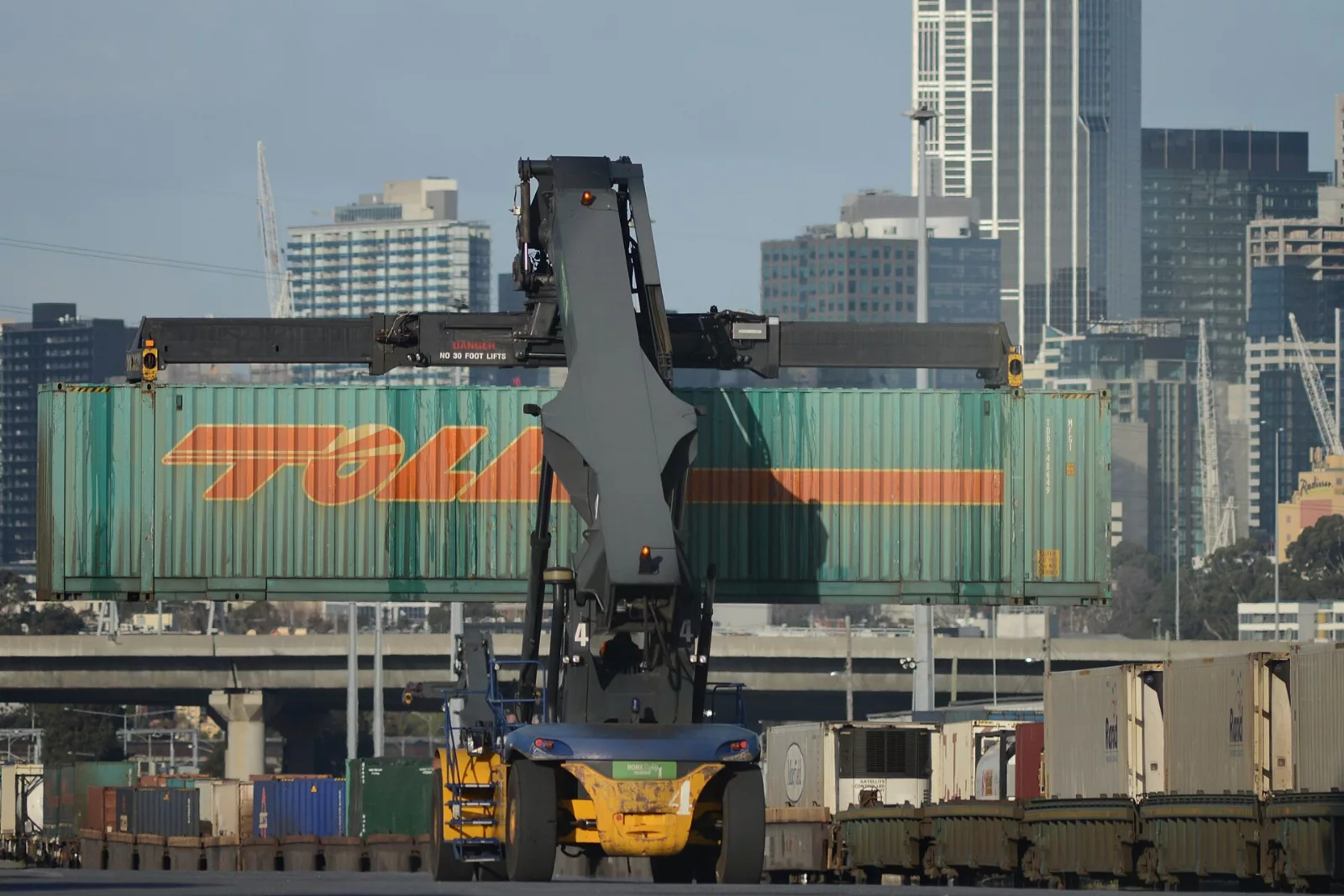
Intermodal volume hit 289,447 containers and trailers in the week ending June 13, up 10.9% year-over-year. Rising truckload rates are the primary driver. Shippers are moving long-haul freight to rail to escape spot rates that have climbed steadily since fall. International volumes are also growing as importers frontload ahead of expected price hikes from Asian manufacturers and higher global fuel costs tied to the Iran war.
Total U.S. rail traffic for the week was 520,406 carloads and intermodal units, up 7.2% from the same week in 2025. Carload shipments rose 2.8% to 230,959, but intermodal's 10.9% gain pulled the combined total higher. At the year's halfway point, U.S. railroads have handled 6,403,177 intermodal units, up 2.7% from a year ago, and 5,215,944 carloads, up 3.2%. Combined traffic stands at 11,619,121 units, ahead 2.9%.
The gap between intermodal and carload growth widened sharply in June. Intermodal's 10.9% weekly gain nearly quadrupled the 2.8% carload increase. That spread reflects the modal shift underway as truckload rates climb. Domestic intermodal is picking up substantial volume as shippers flee higher truck rates. Trans-Pacific frontloading adds to the surge as importers rush containers ahead of anticipated price increases.
Which commodities are driving carload growth?
Grain led carload growth for the week, up 21.7%. Metallic ores and metals rose 19.2%, a gain analysts have linked to the breakout in data center construction. Six of 10 commodity categories improved. Chemical shipments fell 1.1% after months of steady gains tied to industrial activity. Forest products dropped 1.6%, continuing an up-and-down pattern.
The metallic ores and metals category has posted consistent double-digit gains as data center construction accelerates. Steel, rebar, and structural metals move by rail to construction sites. The 19.2% weekly increase suggests that demand is holding through mid-year. Grain's 21.7% jump reflects seasonal harvest patterns and export demand.
Chemicals had been a steady gainer earlier in the year as industrial production climbed. The 1.1% decline in the week ending June 13 marks a reversal. Forest products remain volatile, with weekly swings tied to housing starts and lumber pricing.
What does the intermodal surge mean for small fleets?
The 10.9% intermodal gain pulls long-haul freight off truckload lanes. Average haul length has already dropped 21% since June 2024, from 607 miles to just above 500. Intermodal takes the 1,000-mile-plus runs that used to anchor a small fleet's weekly revenue. What's left are shorter regional hauls, which pay less per load and require more frequent reloads.
For a five-truck fleet running 2,500 miles per truck per week, the shift to shorter hauls means more deadhead, more time at shippers, and lower weekly gross. A 1,200-mile run at $2.30 per mile grosses $2,760. Three 400-mile runs at the same rate gross $2,760 total but burn more fuel on repositioning and cost more hours at docks. The intermodal surge tightens the lane mix available to small fleets.
Rising truckload rates are the reason shippers are moving freight to rail. Spot rates have climbed since fall as capacity exits the market. Contract rates are up 8% over the same period. But the rate increase doesn't help small fleets if the freight moves to intermodal before it hits the spot board. The modal shift caps how high rates can climb on long-haul lanes because rail becomes the cheaper option above a certain threshold.
How long does the intermodal advantage last?
Intermodal's cost advantage over truckload depends on fuel prices, truckload capacity, and rail service reliability. Global fuel costs are rising due to the Iran war, which pressures both modes but hits trucking harder because fuel is a larger share of the cost structure. As long as truckload spot rates stay elevated and fuel remains expensive, intermodal holds the edge on long hauls.
Trans-Pacific frontloading is adding volume now but may taper later in the year if importers pull forward enough inventory. Domestic intermodal growth is more durable because it's driven by the structural rate gap between truck and rail. If truckload capacity stays tight through the second half, intermodal will continue to pull freight off the road.
North American rail volume for the week totaled 717,236 carloads and intermodal units across nine U.S., Canadian, and Mexican railroads, up 5.6% from last year. Carloads rose 1.7% to 337,700. Intermodal units climbed 9.3% to 379,536. For the first 23 weeks of 2026, combined volume was 15,993,851 units, ahead 2.5%.
The lane squeeze for owner-operators
Owner-operators and small fleets that built their business around consistent long-haul lanes are feeling the squeeze first. A 10-truck fleet running Chicago to Los Angeles used to book those loads at steady contract rates with occasional spot premiums. Now those lanes are thinner. Shippers are routing more of that freight through intermodal ramps. What's left on the truckload board are shorter regional runs, last-mile deliveries, and time-sensitive loads that can't wait for rail schedules.
The shift doesn't eliminate truckload demand, but it changes the lane mix. Fleets that can pivot to regional work, drayage, or dedicated contracts will adapt. Fleets locked into long-haul-only operations face shrinking load counts and more time hunting for backhauls. The 10.9% intermodal gain in one week signals that the modal shift is accelerating, not stabilizing.
For dispatchers, the practical change is fewer long-haul options on the load board and more pressure to book shorter runs at rates that don't cover the same weekly mileage. A truck that used to run 2,800 miles a week on two long hauls now runs 2,200 miles on four regional loads. The gross per truck drops even if the per-mile rate holds steady. That's the operational cost of the intermodal surge for small fleets.