Intermodal Volume Up 10.4% as Rail Takes Long-Haul Freight from Trucks
U.S. rail traffic jumped 7.2% in week 40, led by intermodal gains and broad carload growth across 17 of 20 industrial categories. High diesel prices and tight trucking capacity are pushing freight to rail.


Why is rail volume surging right now?
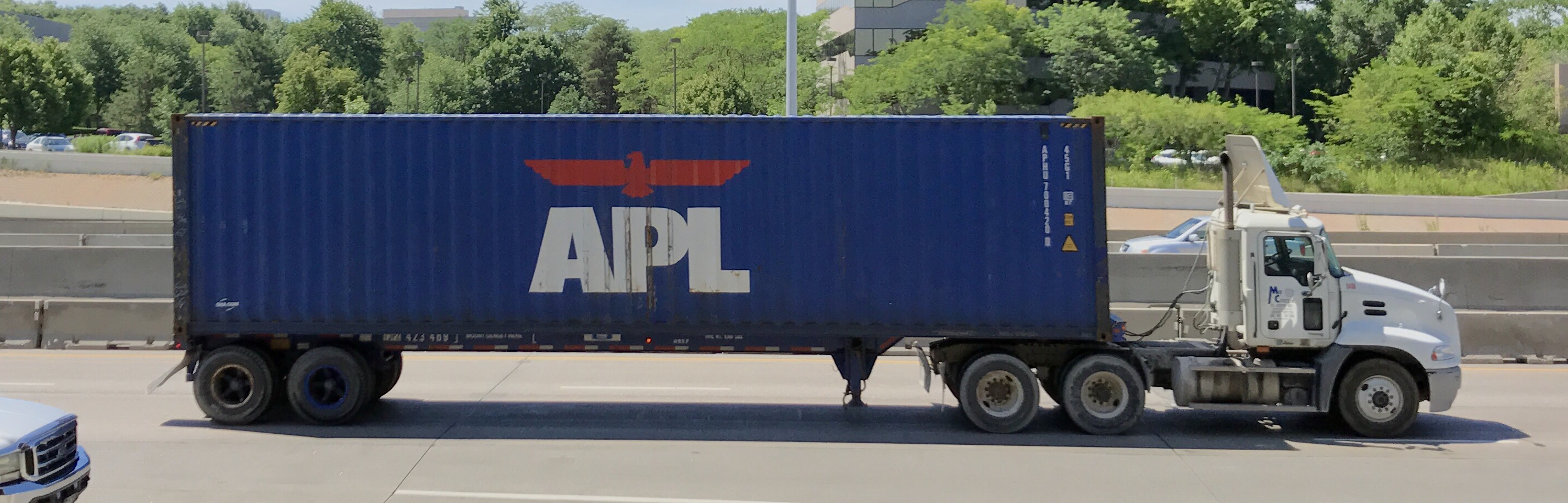
U.S. intermodal rail traffic jumped 10.4% year-over-year in week 40, while domestic carload volume rose 3.4%, producing an overall U.S. rail traffic increase of 7.2% compared to the same week in 2025, according to Association of American Railroads data. North American figures showed carload volume up 2.6% and intermodal up 9.1% for a combined gain of 5.9%. The numbers matter for small fleets because they confirm what many carriers are already seeing on their dispatch boards: shippers are moving long-haul freight to rail to escape elevated truckload rates and diesel costs.
Western railroads led intermodal growth. BNSF was up 12.5% and Union Pacific up 19.4% for the week, driven by record container volumes moving through the ports of Los Angeles and Long Beach. Eastern carriers also posted solid gains, with CSX up 8.9% and Norfolk Southern up 5.4%. The intermodal surge follows months of truckload rates climbing faster than contract and average haul lengths dropping 21% since 2024 as rail takes the lanes that used to pay the best per-mile rates.
What freight is moving to rail?
The AAR's September and third-quarter Rail Industry Overview found that 17 of 20 carload categories posted year-over-year gains in September. Chemicals traffic, the second-largest carload commodity, set a September record and is on pace for a new annual record. Motor vehicles and parts, a category that lagged in 2025, rebounded sharply, up 9.4% in week 40. Metallic ores and metals continued double-digit year-over-year growth, consistent with what the AAR described as manufacturing expansion that "took off at the start of the year" and "appears to be increasingly durable."
Excluding coal and grain, carload volume was up 5.6% for the week. Coal was down 2%, while grain edged up just 0.5%. The broad-based growth across industrial categories reinforces that this is not a short-term blip tied to one sector or one port. It is a durable industrial expansion pulling freight away from trucks on lanes where rail can compete on price.
What does this mean for truckload capacity?
The rail surge is a direct consequence of tight trucking capacity and high diesel prices. When intermodal takes the long-haul lanes, the freight that remains for truckload carriers skews shorter, lower-paying, and harder to string together into profitable weeks. For a 5-truck fleet running the West Coast to Midwest, the lanes that used to anchor the month are now moving by rail at rates a truck cannot match after fuel.
The AAR flagged one risk: if diesel prices remain elevated long enough, consumer spending could soften. For now, consumer goods spending was up 2.7% in August. Inflation data is beginning to broaden beyond gasoline into food prices, a trend worth watching for consumer-dependent freight segments. If consumer spending weakens, the industrial freight holding up carload volume may not be enough to keep overall freight demand from softening, which would put further pressure on truckload rates.
How long does the rail advantage last?
The rail advantage persists as long as diesel stays high and trucking capacity stays tight. The AAR data shows manufacturing expansion that started at the beginning of the year and is proving durable, not cyclical. Record container volumes through Los Angeles and Long Beach are feeding the intermodal network, and chemicals traffic is on pace for an annual record. None of those trends reverse quickly.
For small fleets, the operational reality is that the lanes rail can serve are gone until truckload rates fall enough to compete again or until diesel prices drop enough to close the cost gap. That has not happened yet. The 10.4% intermodal gain in week 40 is the latest in a series of double-digit year-over-year increases that started in the spring and have not let up. The freight is not coming back to trucks until the price advantage flips.
What happens if consumer spending softens?
The AAR noted that elevated diesel prices could soften consumer spending if they persist. Consumer goods spending was up 2.7% in August, but inflation is broadening into food prices. If consumer spending weakens, the industrial freight holding up carload volume may not be enough to keep overall freight demand from falling. That would put further downward pressure on truckload rates, which are already under pressure from the modal shift to rail.
For a 10-truck fleet, the risk is that the lanes rail cannot serve, the short-haul and regional freight that remains for trucks, do not pay enough to cover costs if consumer freight volumes drop. The industrial expansion is durable for now, but it is not immune to a consumer slowdown. The AAR's warning is worth taking seriously because it comes from the same data set showing record chemicals traffic and broad-based carload growth. If the organization tracking the rail boom is flagging consumer risk, small fleets should be watching consumer freight volumes closely.
The bill for a small fleet
The 10.4% intermodal gain and 7.2% overall rail traffic increase in week 40 are not abstract statistics. They represent long-haul lanes that used to go to trucks and now go to rail. For a 5-truck fleet, that means fewer high-paying lanes, shorter average hauls, and more time spent finding freight that pays enough to cover fuel. The industrial expansion is real, and the carload growth is broad-based, but the freight moving by rail is freight that is not moving by truck. Until diesel prices fall or trucking capacity loosens enough to bring truckload rates down, the rail advantage persists, and the lanes that anchor a profitable month for a small fleet stay on the rails.