Port Volume Slows in July Despite Pockets of Strength
Cargo shipments through major U.S. seaports showed uneven volume and tightening capacity during the summer months, according to industry experts.


Cargo shipments through the largest U.S. seaports exhibited signs of summertime strength amid uneven volume and tightening capacity in July 2026, experts said.
What Does Uneven Port Volume Mean for Trucking Equipment?
The mixed port activity signals continued volatility in drayage demand. Fleets running containers from West Coast and Gulf ports face unpredictable utilization. When port volumes swing week to week, drayage tractors sit idle between surges or run over hours-of-service limits during peaks. Both scenarios hurt per-truck economics.
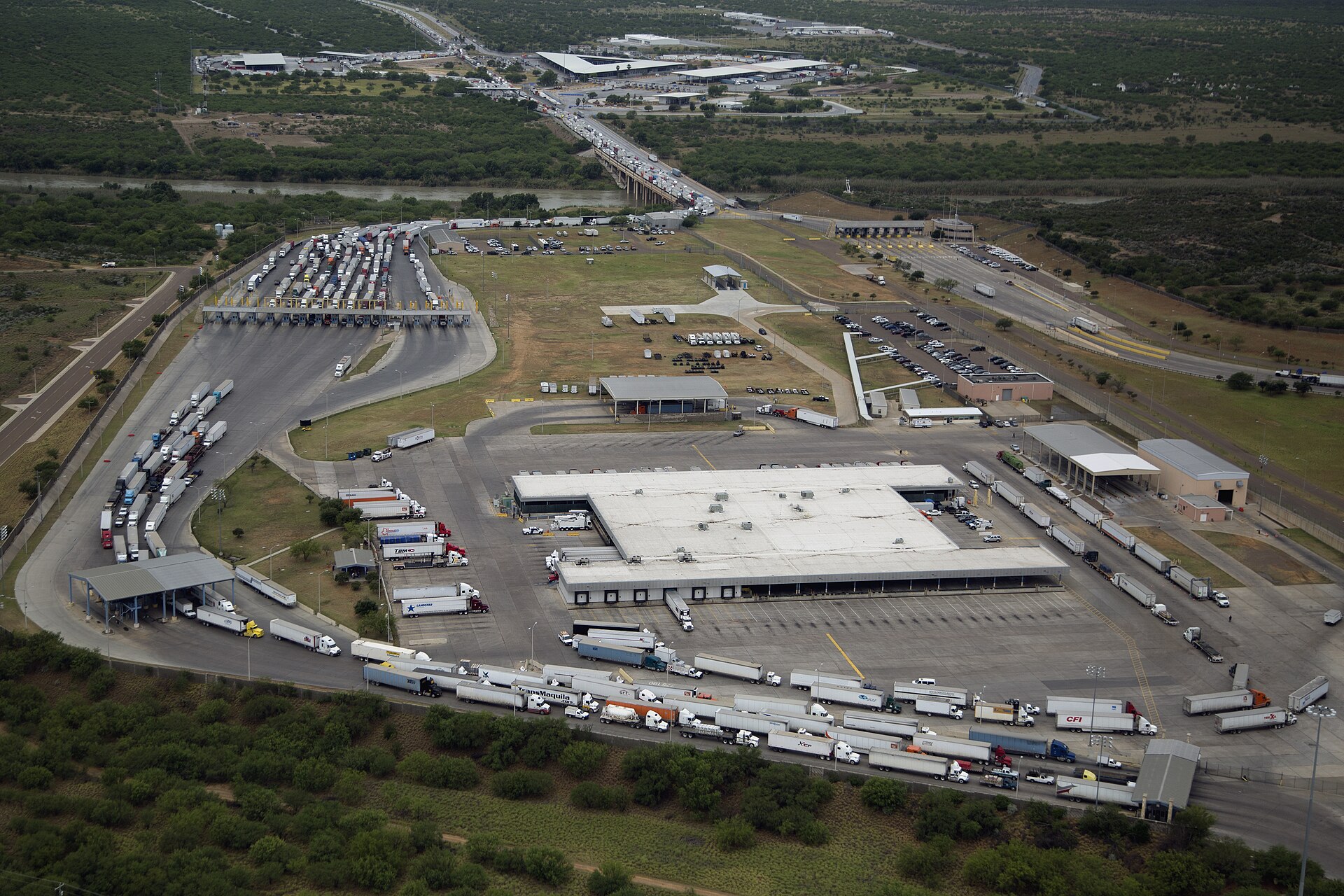
Tightening capacity at the ports typically means chassis shortages, longer gate times, and more wear on equipment idling in queue. For owner-operators running port drayage, inconsistent volume makes it harder to justify spec'ing newer emissions-compliant tractors. The payback period stretches when you can't count on steady turns.
How Port Congestion Affects Maintenance Cycles
Extended idling and stop-and-go operation in port queues accelerate oil degradation and particulate filter loading. Fleets that increased drayage work during the 2021-2022 import surge reported shorter DPF service intervals and higher DEF consumption per mile. When port volumes tighten but don't surge cleanly, equipment runs harder without the revenue bump to offset maintenance costs.
Shops serving drayage fleets should expect uneven parts demand through the rest of 2026. Brake wear, clutch replacement, and emissions system service will cluster around the terminals seeing volume spikes rather than spreading evenly across the calendar.
What This Means for Drayage Fleets
Small fleets and owner-operators running port work face a planning problem. Uneven volume makes it hard to predict when to add trucks or when to park older units. The tightening capacity environment across truckload lanes suggests that drayage rates should firm up, but port congestion eats into margins before rate increases reach the driver settlement.
Fleets considering electric drayage tractors face an added wrinkle. The business case for an eCascadia or Volvo VNR Electric depends on consistent daily mileage to amortize the battery premium. Uneven port volume makes the TCO math harder to pencil.