Ontario Premier Warns U.S. Tariffs May Outlast Trump Term
Doug Ford says Canada must prepare for trade protectionism beyond 2028. What that means for cross-border truck parts and chassis supply.


Will U.S. tariffs on Canadian truck parts end when Trump leaves office?
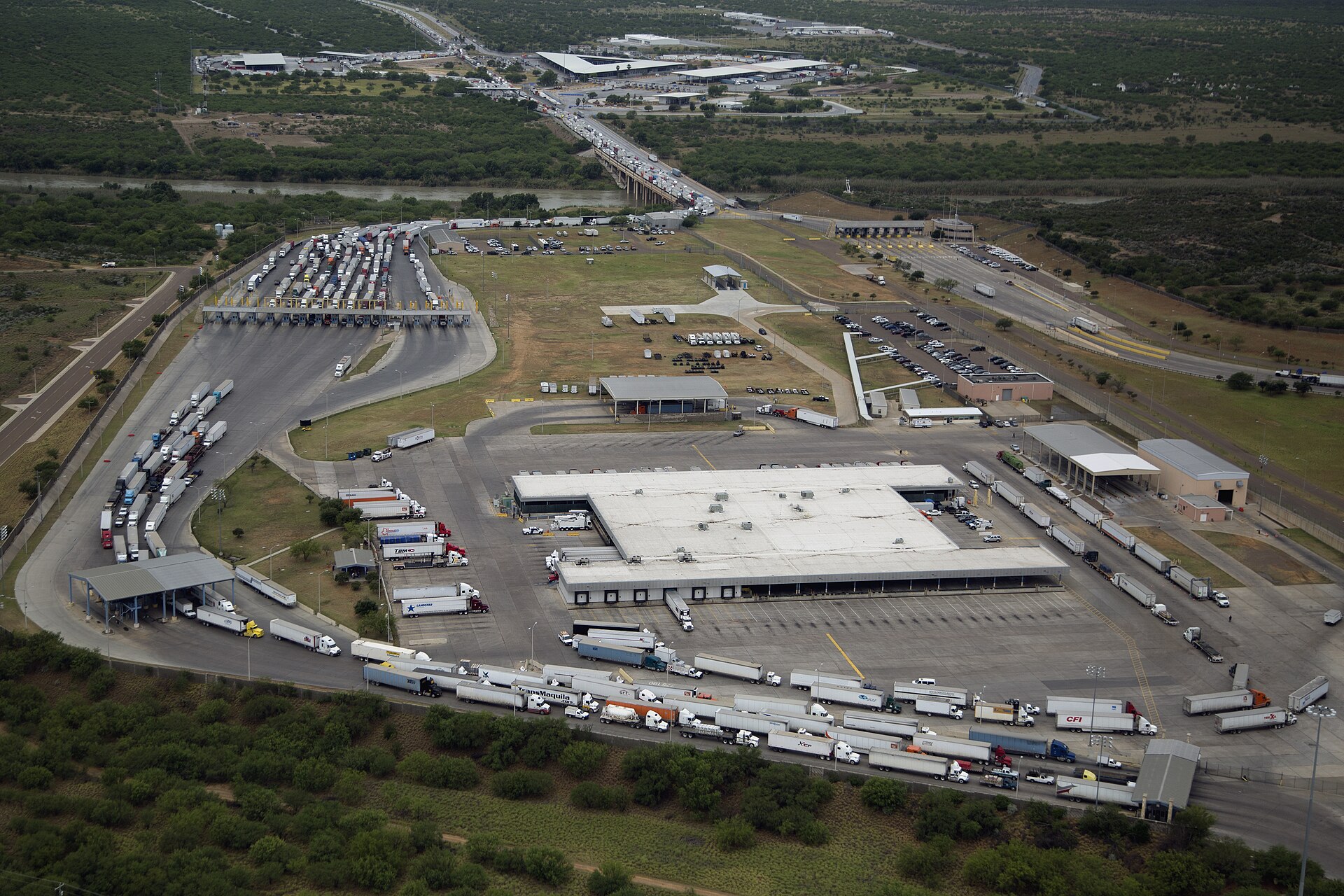
Ontario Premier Doug Ford said Canada must prepare for the possibility that U.S. trade protectionism will last well beyond President Donald Trump's administration. The warning comes as fleets and suppliers navigate a year of escalating tariffs on cross-border truck parts, chassis, and components.
Ford's statement signals that Canadian officials expect tariff policy to persist regardless of who occupies the White House after 2028. For small fleets and owner-operators, that means the price increases on Canadian-sourced axles, telematics hardware, and trailer components may not reverse on a political timeline.
What tariffs are already in place
The U.S. has imposed multiple rounds of tariffs on Canadian goods in 2026. A 25% levy on complete trucks took effect in November 2025, prompting Peterbilt to add 1,000 jobs at its Denton, Texas plant. In August, the Trump administration signaled that 50% tariffs on Canadian goods would hit an Aug. 19 midnight deadline under Section 338 authority.
Canada responded with countertariffs on Sept. 8. Oxford Economics estimated the Canadian levies, ranging from 15% to 50%, would raise producer prices 0.2 percentage points in 2027. The study warned that cross-border parts costs would climb for both U.S. and Canadian fleets.
Why this matters for truck parts supply
Canada supplies a significant share of truck chassis, axle assemblies, and telematics hardware to U.S. fleets. Tariffs raise landed cost for those components, which flows through to fleet acquisition prices and aftermarket parts inventory. If tariffs remain in place for years, suppliers may relocate production to avoid the levy, but that takes capital and time. In the interim, fleets pay the delta.
Ford's warning suggests Canadian policymakers see U.S. protectionism as a structural shift, not a temporary trade dispute. That changes the calculus for fleet managers deciding whether to stock Canadian-sourced parts or switch to domestic suppliers. A tariff that lasts one presidential term is a price spike. A tariff that lasts a decade is a supply-chain redesign.
What fleets should watch
Fleets with cross-border operations or Canadian parts suppliers should track three things. First, whether the U.S. renews the USMCA trade agreement by its July 1 deadline. Trump said in June the U.S. would not renew the pact, triggering renegotiation. Second, whether federal courts uphold the tariff authority. A federal appeals court in June let Trump enforce 10% global tariffs during the legal fight. Third, whether Canada escalates its own countertariffs in response to U.S. policy.
Ford's statement does not change the tariff schedule today. It signals that Canadian officials expect the policy environment to remain hostile to cross-border trade regardless of U.S. election outcomes. For fleets, that means pricing in tariff costs as a permanent line item, not a temporary surcharge.