RPS Turned FedEx Ground Into a Parcel Giant, Then Paid for LTL
The 1998 Caliber deal brought RPS and unwanted Viking Freight. Now FedEx spins off the LTL network RPS forced it to buy.

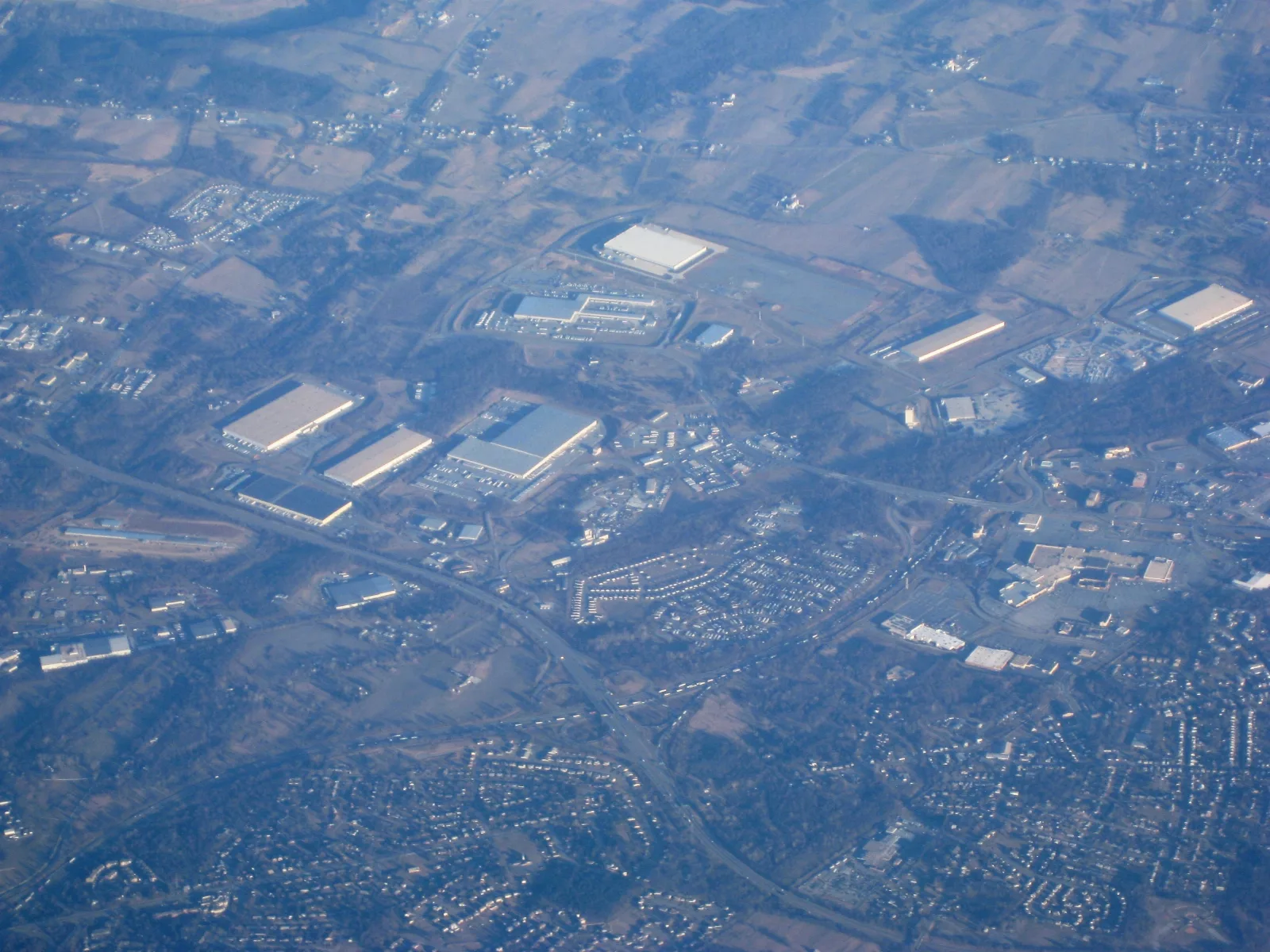
How did a ground-parcel startup shape FedEx's LTL empire?
FedEx spun off its Freight division June 1, leaving shareholders with one share of FedEx Freight (NYSE: FDXF) for every two shares of the parcel company they held. The split closes a 28-year arc that started when FedEx bought Caliber System in 1998 for $2.4 billion to acquire RPS, a ground-parcel carrier handling 1.3 million packages per day. FedEx Express was moving 3 million parcels daily at the time. Without RPS, FedEx would be a distant third in U.S. parcel volume today.
The Caliber deal came with a catch: Viking Freight, a regional LTL carrier FedEx didn't want but had to take to get RPS. Fred Smith wasn't looking to enter the less-than-truckload business. He was chasing ground-parcel volume to compete with UPS. Viking was the price of admission.
Smith warmed to the LTL side quickly enough to buy American Freightways in 2001, giving FedEx full coverage across the lower 48 states. That acquisition turned the unwanted Viking into the foundation of what became FedEx Freight, now the largest LTL carrier in North America by revenue. The spinoff values the LTL network at roughly $30 billion based on early trading.
Why RPS mattered more than the Express network
RPS gave FedEx the ground-delivery density it needed to compete on price with UPS. Express built the FedEx brand, but RPS built the margin structure that let FedEx hold parcel share when e-commerce exploded in the 2000s. The combined FedEx Ground network now moves more daily volume than Express, a reversal that traces directly to the 1998 Caliber acquisition.
Without RPS, FedEx likely never enters LTL. Without LTL, the company doesn't have the Freight division it just spun off to shareholders. The $2.4 billion Caliber deal in 1998 bought FedEx two businesses: the one it wanted (RPS) and the one that became a $7 billion revenue stream by 2025 (the LTL network seeded by Viking and American Freightways).
What the spinoff means for LTL capacity
FedEx Freight now operates as a standalone public company, free to set pricing and capacity strategy without parcel-side pressure to subsidize integrated shipping deals. That independence could tighten LTL capacity if FedEx Freight leans harder on AI tools to lift win rates on bid lanes and pulls back from low-margin freight. Carriers running dedicated lanes into FedEx's traditional strongholds (California, Texas, the Southeast) should watch whether the newly independent LTL network starts cherry-picking higher-yield shipments and leaving thinner lanes to regional players.
The spinoff also removes the cross-subsidy that let FedEx bundle parcel and LTL pricing for large shippers. Standalone FedEx Freight has to cover its own cost structure without help from Ground's parcel margin. That could push contract rates higher when bids renew in Q3 and Q4, especially on lanes where FedEx Freight holds dominant terminal density.
The RPS lesson for small fleets
RPS succeeded because it built a contractor model that kept capital costs off the balance sheet and let the network scale faster than asset-based competitors could match. FedEx bought density, not trucks. For owner-operators and small fleets, the parallel is clear: the value is in the lanes you can serve consistently, not the equipment you own. RPS proved that a carrier with reliable pickup-and-delivery coverage in the right ZIP codes can command a $2.4 billion acquisition price even when a competitor moves twice the daily volume.
The LTL side of the story is different. Viking and American Freightways were asset-heavy, terminal-dense networks that FedEx had to buy whole to get national coverage. That model doesn't translate to small fleets, but the margin pressure does. FedEx and UPS now hold the top two LTL spots, and both are using scale to push operating ratios lower. Smaller LTL carriers either find a regional niche with better service or get priced out when the nationals drop rates to fill capacity.
Why this corporate history hits your settlement
FedEx Freight's spinoff removes one of the few integrated parcel-LTL pricing structures left in the market. That means less bundled-deal pressure on LTL spot rates in the near term, but also less reason for FedEx Freight to carry low-margin freight to protect a parcel relationship. If you run LTL lanes that compete with FedEx's terminal network, expect the newly independent carrier to bid more aggressively on high-yield freight and walk away faster when rates don't cover costs. The RPS acquisition built the ground-parcel giant that could afford to subsidize LTL growth for two decades. Now the LTL side has to stand alone, and that changes the math on every bid.