Samsara Q2 revenue hits $508M, but no broker fraud angle in earnings
Connected-operations platform reports 30% revenue growth driven by transportation and Mexico, with no mention of broker vetting, double-brokering prevention, or fraud-detection features in quarterly results.

Does Samsara's telematics platform help carriers spot broker fraud?
Samsara reported second-quarter fiscal 2027 revenue of $508.4 million, up 30% year over year, but the San Francisco-based connected-operations provider made no mention of broker vetting, double-brokering detection, or fraud-prevention tools during its earnings call with analysts.
The company's Connected Operations platform combines telematics, video-based safety, equipment monitoring, and maintenance applications aimed at trucking, logistics, construction, and field services. Annual recurring revenue reached $2.125 billion for the quarter ended Aug. 1, also increasing 30% from a year earlier.
Co-founder and CEO Sanjit Biswas said large customers continue to drive momentum, while adoption of some of Samsara's latest artificial intelligence features has increased more than fourfold during the past two months. The company did not specify whether any AI features address broker identity verification or load-board fraud patterns that cost small carriers thousands per incident.
Transportation growth accelerates, but security focus is Mexico-specific
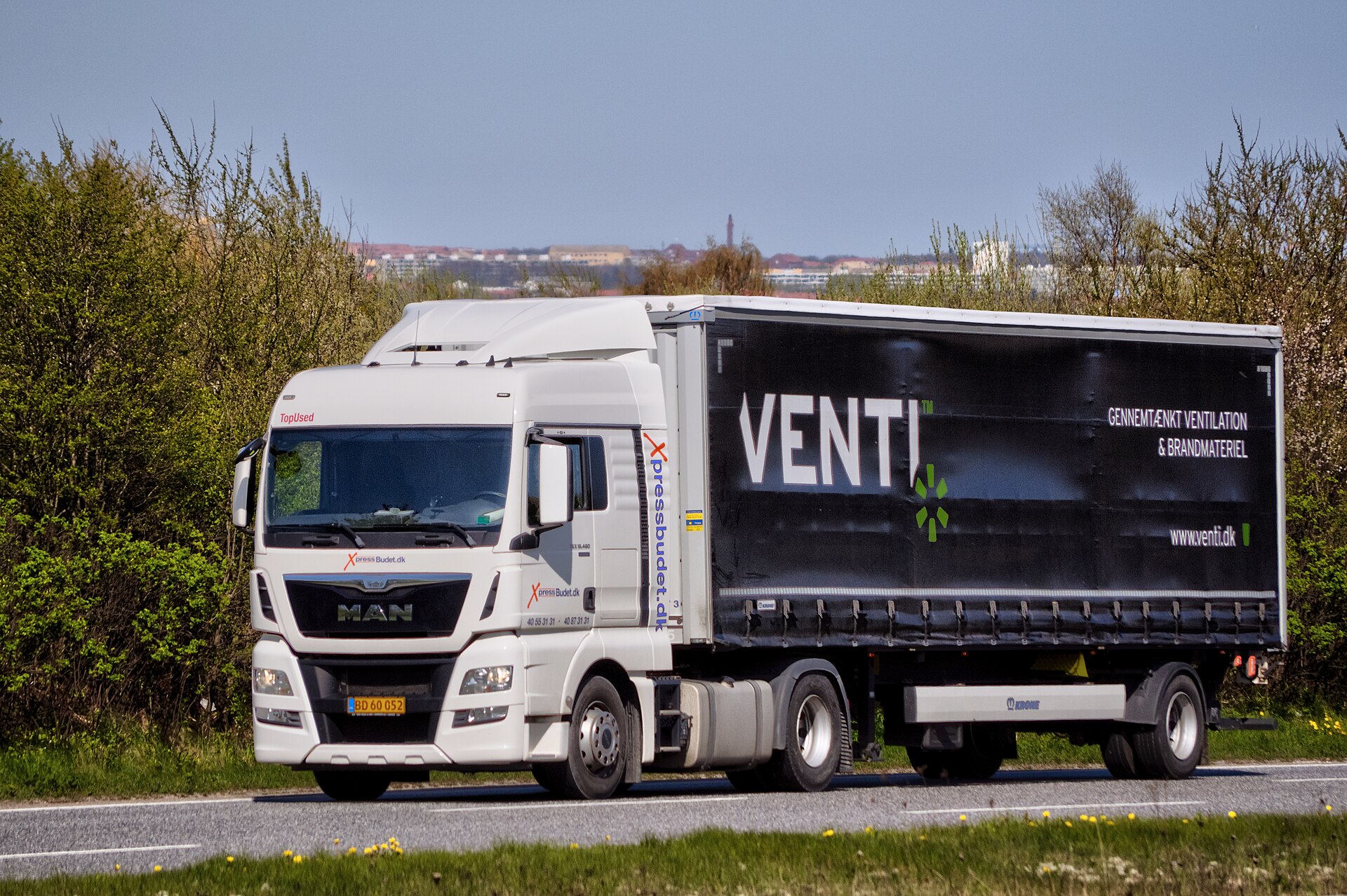
Samsara's transportation business showed strengthening momentum during the quarter. Transportation accounted for the company's second-highest mix of net new annual contract value, behind field services, while year-over-year growth in transportation accelerated sequentially for the third consecutive quarter.
Mexico was another area of accelerating growth. Year-over-year net new annual contract value growth in Mexico accelerated for the second consecutive quarter, giving the country its highest share of net new ACV in five quarters.
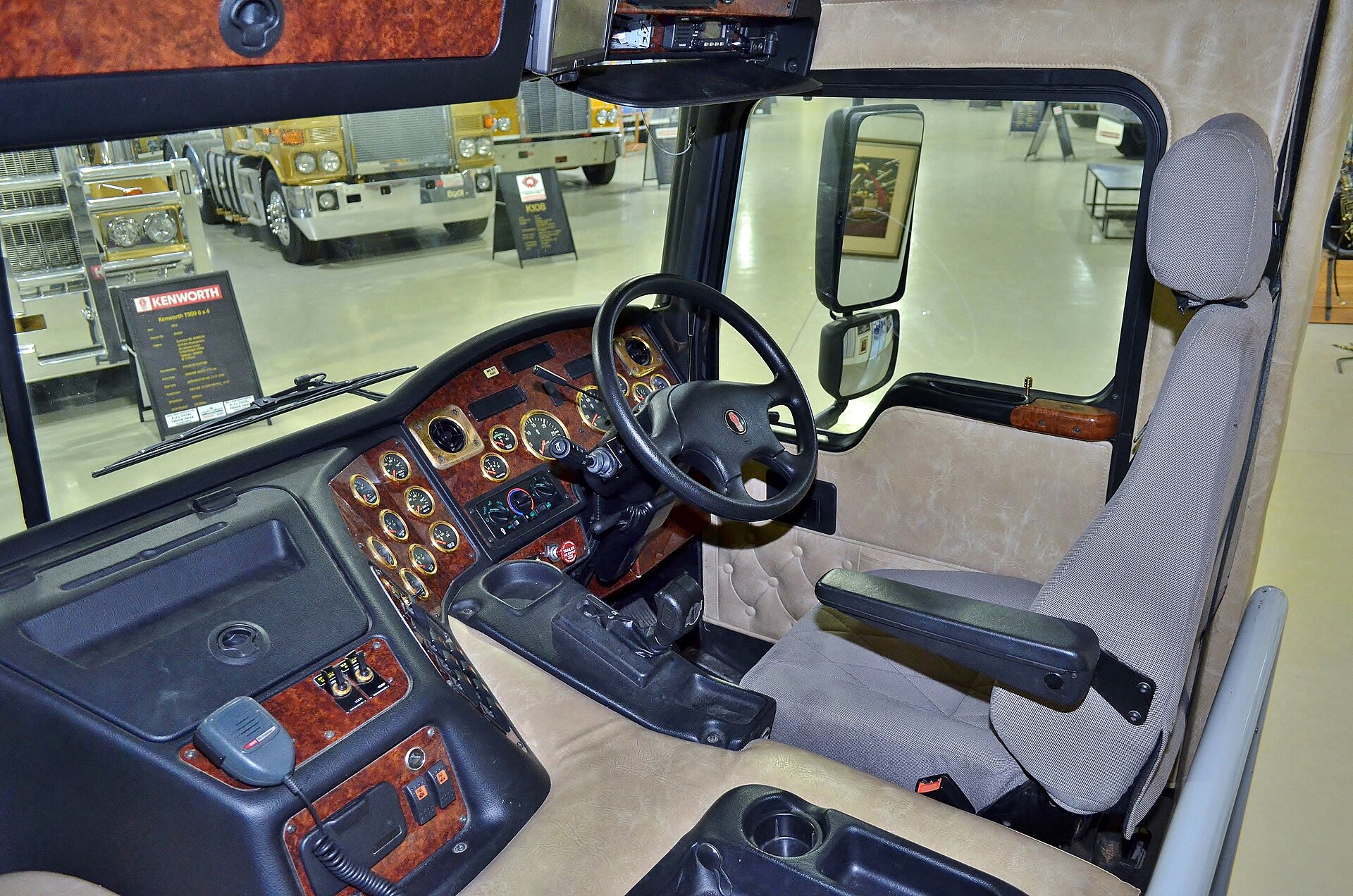
Biswas cited security features such as panic buttons and vehicle immobilizers as key use cases for Mexican fleets. The company pointed to Grupo Trayecto, a Monterrey-based freight transportation company with more than 4,000 trucks, 10,000 trailers, and 4,000 drivers, as one of its large transportation customers in Mexico.
The security features Biswas described address physical theft and driver safety, not the broker-fraud patterns that plague U.S. small carriers: fictitious pickups, double-brokered loads, or brokers who disappear after taking possession of a load.
Large-enterprise focus leaves small-carrier fraud tools unaddressed
Samsara finished the quarter with 3,605 customers generating more than $100,000 in annual recurring revenue, after adding a quarterly record 242. Those customers accounted for $1.3 billion in ARR, up 38% year over year, and now represent 63% of companywide ARR.
The company also ended the quarter with 210 customers generating more than $1 million in ARR, adding a record 20 during the period. ARR from those customers surpassed $500 million and grew more than 50% year over year for the third consecutive quarter.
Ninety-six percent of customers generating more than $100,000 in ARR use at least two Samsara products, while 72% use three or more. Emerging products accounted for more than 20% of net new ACV for the third consecutive quarter.
Management estimated that about 50% of commercial vehicles in North America remain unconnected, while 85% do not have an AI dash camera. The company made no mention of tools to help those unconnected carriers verify broker legitimacy before signing a rate confirmation or check whether a broker's BMC-84 bond is active.
What small carriers still need to verify before pulling a load
Samsara reported GAAP operating income of $4.9 million, compared with a $26.6 million operating loss a year earlier. Non-GAAP operating income rose to $106 million from $59.7 million, while free cash flow reached $64.7 million.
For the fiscal third quarter, Samsara forecast revenue of $514 million to $516 million, representing about 24% year-over-year growth. The company expects full-year fiscal 2027 revenue between $2.043 billion and $2.047 billion, up approximately 26%.
Small carriers waiting for telematics platforms to automate broker vetting will need to keep running manual checks: verify the broker's MC number and operating authority on FMCSA's SAFER system, confirm the BMC-84 bond is active and sufficient, search the broker's name and MC number on Carrier411 or similar rating services, and call the shipper directly using a phone number you find independently to confirm the load is real. Telematics can tell you where your truck is. It cannot tell you whether the broker who hired you will pay.