USPS Locks In 11% Fuel Surcharge, 5.9% Parcel Rate Hike for January
Postal Service makes fuel surcharge permanent at 11% of base postage, matching FedEx and UPS on general rate increases. Short-zone shippers take the biggest hit.


What is the USPS fuel surcharge starting in January 2027?
The U.S. Postal Service will add an 11% permanent fuel surcharge to domestic parcel shipments starting Jan. 17, on top of a 5.9% general rate increase across Priority Mail, Priority Mail Express, Ground Advantage, and Parcel Select. The fuel surcharge applies to base postage only and marks the first time USPS has made such a fee permanent, adopting a practice common among private carriers. The agency will reevaluate the surcharge in July based on first-half 2027 fuel prices.
The 11% surcharge is three points higher than the 8% rate USPS proposed less than three weeks ago and replaces a temporary transportation fee set to expire Jan. 17. Postmaster General David Steiner cited higher diesel costs and declining mail volume as the drivers behind the pricing changes. The Postal Service reduced its operating loss to $2.4 billion last year and has made revenue growth a priority under Steiner's 18-month tenure.
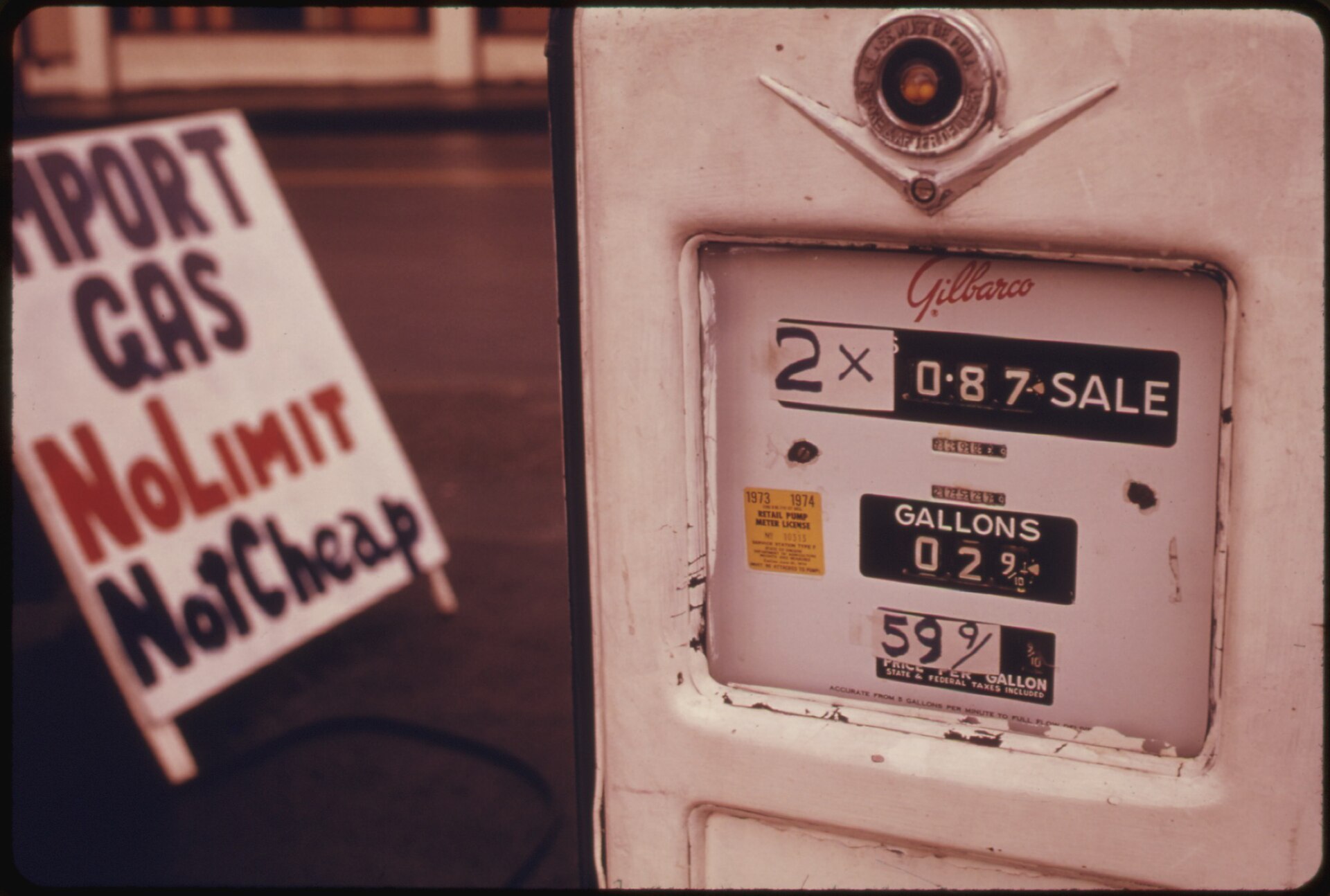
The fuel surcharge hits every domestic parcel but stays well below the 28% to 30% fuel surcharges FedEx and UPS currently collect. For a small fleet running USPS for last-mile or returns, the math is straightforward: an $8 base-rate package now costs $8.88 in fuel surcharge alone before the 5.9% rate increase. Stack both adjustments and that same package climbs to $9.40, a 17.5% total increase.
Which USPS services see the steepest price increases?
Short-zone shippers absorb the largest percentage increases. Priority Mail packages up to five pounds will cost 7% more on average, but short-to-mid range regional distances see an 11.6% increase while longer distances rise 4.4%. Ground Advantage packages under one pound, already hit by the July elimination of ounce pricing for commercial rates, face a 6.9% increase. One-pound boxes moving short-and-intermediate zones jump 11.9% on average.
Parcel Select pricing rises 5.5% to 6% depending on weight. International products see a 7.9% average increase for regular and express service, with no fuel surcharge applied to international shipments at this time.
The agency is also rolling out new fees that mirror private-carrier practices. Shortpaid postage due to inaccurate weight or volume calculations will cost shippers more than 20% extra. Non-compliant shipping labels trigger a $5 fee per parcel. Additional fees cover address enhancement, premium forwarding, and ancillary services.
Why the fuel surcharge matters for contract carriers
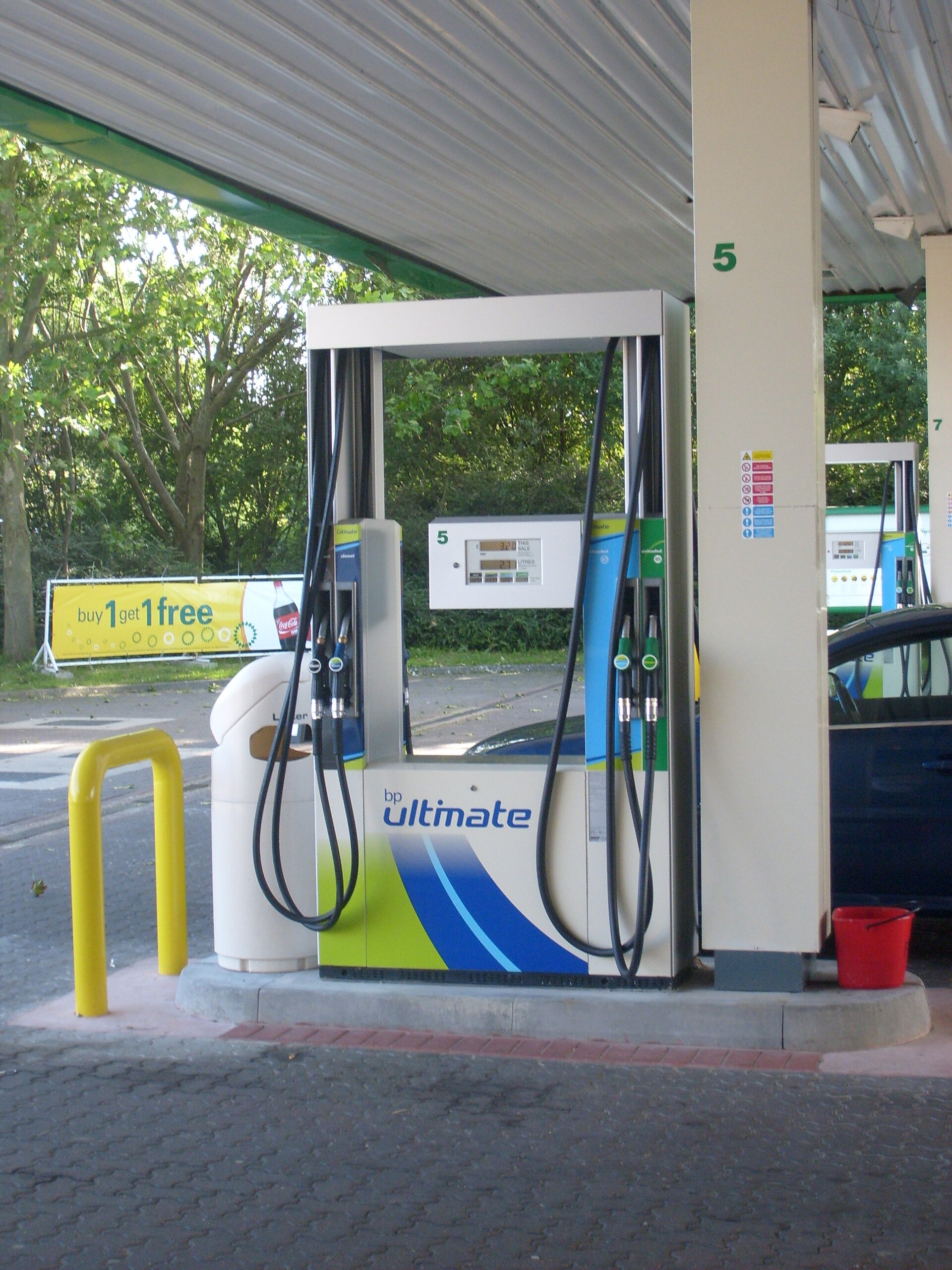
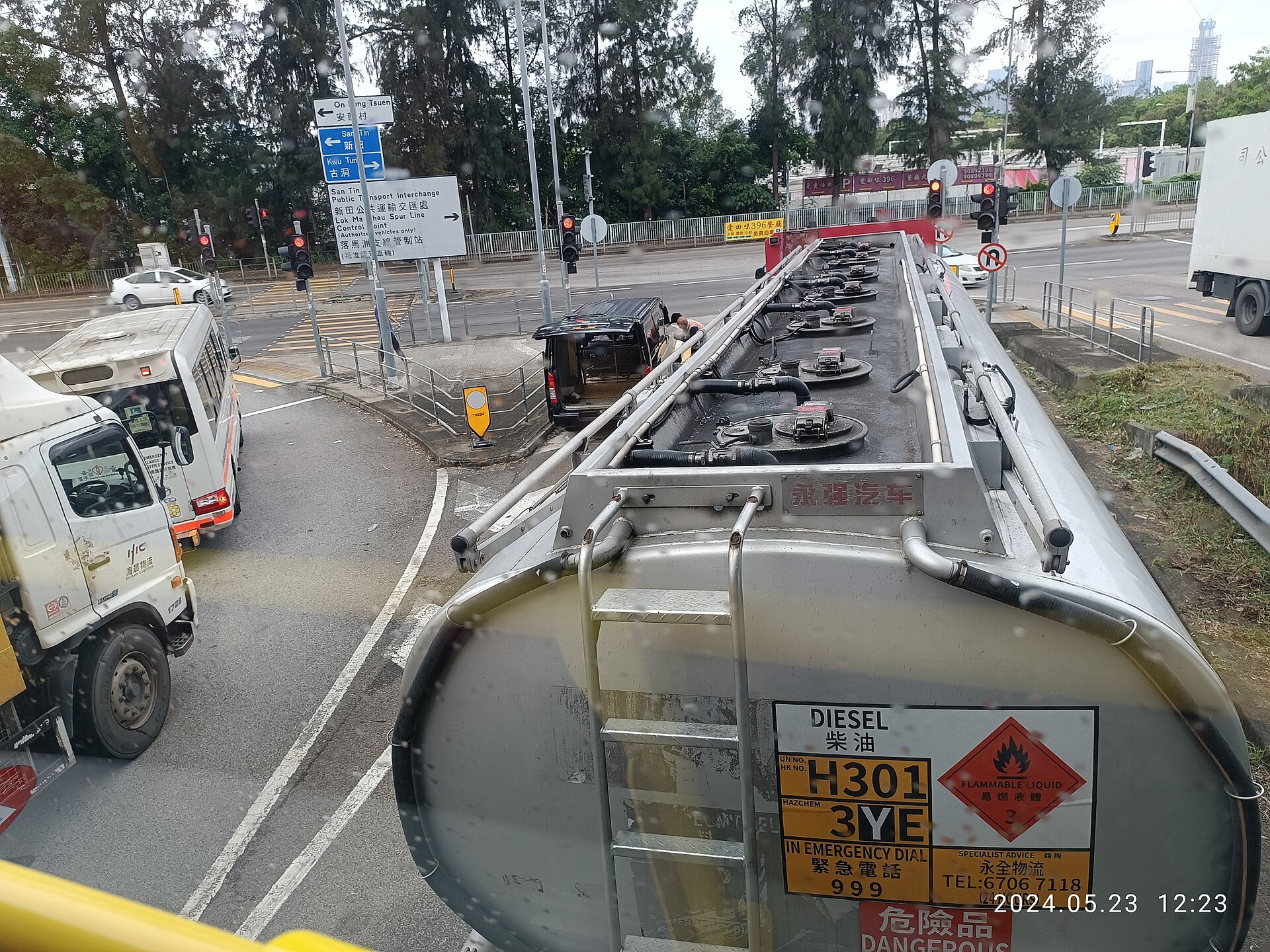
Diesel prices spiked after the Iran war, pushing the national average above $6 per gallon earlier this fall. USPS operates a large truck and delivery fleet and burns diesel at scale. The agency's decision to lock in an 11% surcharge, even as diesel has dropped 17 cents to $6.13 in recent weeks, signals that postal leadership expects fuel costs to remain elevated through 2027.
For small fleets that compete with USPS on final-mile delivery or handle returns for e-commerce shippers, the pricing shift creates a narrow window. USPS is now 17 to 19 percentage points cheaper on fuel surcharges than FedEx and UPS, but the gap narrows if diesel continues to fall. A fleet running a 10-truck operation with fuel surcharges pegged to spot diesel has room to undercut USPS on short-zone moves if fuel drops below $5.50 per gallon, assuming the carrier can match USPS density and stop efficiency.
The 11.9% increase on short-zone Ground Advantage shipments also opens a pricing gap for regional carriers. A one-pound package moving 150 miles through USPS Ground Advantage will cost roughly 12% more in January than it does today. A small fleet with a dense regional network can price under that threshold and still clear margin if fuel holds near current levels.
What the rate hike costs a small parcel operation
Third-quarter data from the source shows that add-on fees and fuel surcharges pushed ground parcel costs up 5.2% year over year and express parcel costs up 5.9%. The January adjustments will accelerate that trend. A shipper moving 1,000 parcels per month at an average $10 base rate will pay an additional $1,100 per month in fuel surcharges alone, before accounting for the 5.9% general rate increase. Stack both and the monthly bill climbs $1,690.
For a small fleet running USPS as a backup option or handling overflow, the math changes the threshold at which it makes sense to keep capacity in-house versus handing off to the post. A five-truck fleet with average operating costs of $1.85 per mile can now undercut USPS on short-zone moves under 200 miles if the fleet maintains better than 85% utilization and avoids deadhead.
The pricing changes also affect fleets that handle returns for e-commerce shippers. USPS has historically been the cheapest option for lightweight returns moving short distances. The 11.9% increase on short-zone Ground Advantage packages erodes that advantage. A fleet with a returns contract can now price competitively on sub-five-pound packages moving under 300 miles, assuming the fleet can aggregate enough volume to justify dedicated routes.
International rate increases and new services
USPS is raising international mail and shipping rates by an average of 7.9% for regular and express products. The agency is also introducing an optional Outbound Proof of Delivery service for Priority Mail International and expanding USPS Delivered Duty Paid service to include International Priority Airmail. The DDP expansion allows outbound customers to pay duties at the time of mailing or later.
The international rate increases matter less for domestic small fleets, but the DDP expansion signals that USPS is chasing higher-margin international volume. For a small fleet with cross-border freight, the pricing gap between USPS and private carriers on international shipments is narrowing. A fleet running Canada or Mexico lanes can now price closer to USPS on lightweight parcels if the fleet can clear customs efficiently.
Global postal operators follow similar path
Deutsche Post, Germany's postal operator, announced modest parcel price increases for private customers starting Jan. 1, pending approval from the Federal Network Agency. A second price adjustment is scheduled for Jan. 1, 2028. Parcels to countries outside the EU are also becoming more expensive due to electronic customs data requirements, which make processing at the post office more complex than online postage.
The global trend toward higher postal rates and permanent fuel surcharges suggests that the pricing environment for parcel carriers will remain elevated through 2027. Small fleets with regional density and efficient stop patterns have a window to capture volume from shippers looking to avoid double-digit rate increases on short-zone moves. The window stays open as long as diesel holds near current levels and USPS keeps the fuel surcharge at 11%.