BP Profit Hits 18-Year High as Refining Margins Soar
Energy giant posts strongest earnings since 2008 on refinery boom, accelerating debt paydown as diesel prices stay elevated.


Why did BP's profit jump to an 18-year high?
BP reported its highest profit in 18 years as soaring refining margins boosted earnings, the company said Oct. 30. The energy giant is using the windfall to accelerate debt paydown and repair its balance sheet.
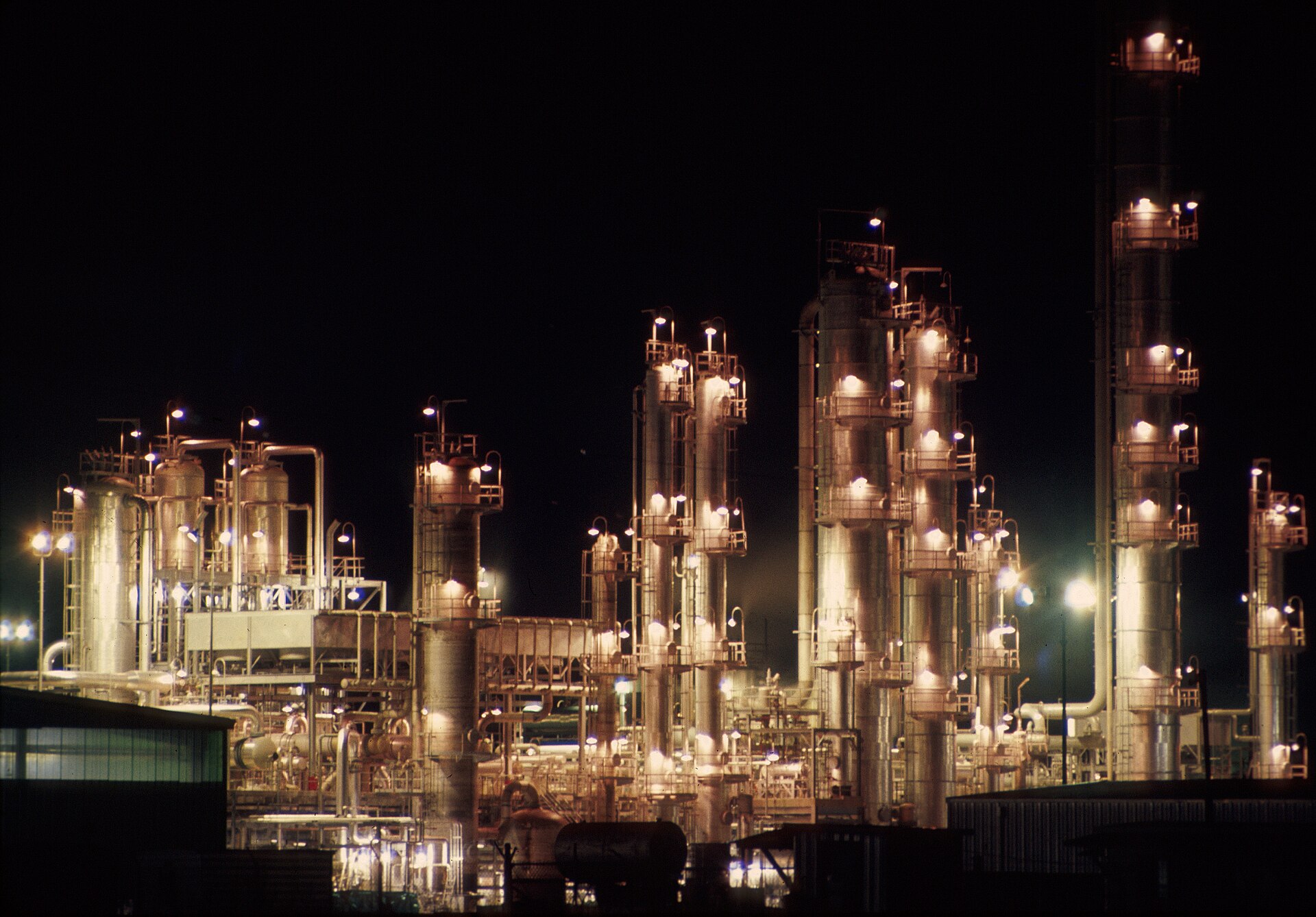
The profit surge comes as refining margins have climbed to levels not seen in over a decade. Refiners capture the spread between crude oil input costs and the wholesale price of finished products like diesel and gasoline. When that spread widens, refiners make more money per barrel processed.
For small fleets, BP's refinery boom is the flip side of the fuel cost spike that has pushed diesel to 33% of operating expenses. The same margin expansion that drives BP's record profit shows up as higher pump prices. Diesel hit $6.38 per gallon nationally in mid-October, up 18% since August.
Refining margins have stayed elevated even as crude oil prices have fluctuated. Brent crude rose to $111.33 per barrel Oct. 28 after a Houthi attack on a Saudi refinery, but the real driver of diesel prices has been tight refining capacity. Global refinery utilization rates remain high as demand for diesel and jet fuel has outpaced gasoline consumption.
BP's last profit peak of this magnitude came in 2008, when crude oil hit record highs above $140 per barrel. The current earnings jump differs in that it is driven more by refining economics than raw crude prices. Refiners have benefited from supply constraints, including reduced Russian product exports and limited new refinery construction in recent years.
What BP's debt paydown means for fuel markets
BP said it is using the earnings to speed up debt reduction and strengthen its balance sheet. The company has been working to reduce leverage after years of capital spending on both traditional oil and gas projects and renewable energy investments.
Faster debt paydown typically signals that a company expects current conditions to persist long enough to make aggressive balance sheet repair worthwhile. If BP believed refining margins would collapse quickly, it would likely hold more cash as a buffer rather than locking it into debt reduction.
For carriers watching fuel prices, that corporate strategy suggests BP sees elevated diesel costs as durable, not a short-term spike. Refiners do not rush to fix balance sheets during brief margin bumps.
The refining boom has also affected fuel availability in some regions. Tight margins incentivize refiners to run at maximum capacity, but maintenance shutdowns and unplanned outages have caused periodic supply squeezes. Small fleets in areas served by fewer refineries have seen sharper price swings than national averages suggest.
The cost for small fleets
A five-truck fleet running 500 miles per day per truck at 6 miles per gallon burns roughly 417 gallons per day. At $6.38 per gallon, that is $2,660 daily in fuel costs, or $79,800 per month. The same operation paid $67,575 per month when diesel averaged $5.40 in early August. The $12,225 monthly increase is pure margin compression unless the fleet has fuel surcharge agreements that track current prices.
Owner-operators without surcharge protection are absorbing the full hit. A solo driver running 2,500 miles per week at 6 mpg uses about 417 gallons per week. At current prices, that is $2,660 weekly, up from $2,250 in August. The $410 weekly difference is $1,640 per month off the bottom line.
Refining margins have historically cycled, but the current run has lasted longer than most. Margins spiked in spring 2022 after Russia's invasion of Ukraine disrupted global product flows, then eased through late 2025 before climbing again in 2026. BP's decision to prioritize debt paydown over dividend increases or share buybacks suggests the company expects margins to stay strong into 2027.
Small fleets have limited tools to hedge against refining margin expansion. Fuel cards with network discounts typically save 3 to 8 cents per gallon, which helps but does not offset a $1 per gallon increase. Route optimization and idle reduction can cut consumption by 5% to 10%, which translates to $130 to $260 per month for a five-truck fleet at current prices. The most effective protection remains fuel surcharge clauses tied to the Department of Energy's weekly diesel index, but those require negotiating leverage many small fleets lack.
BP's 18-year profit high is a data point, not a forecast. But when a major refiner accelerates debt paydown during a margin boom, it is betting the boom has legs. For small fleets, that means budgeting for elevated diesel costs through at least the first quarter of 2027.