Brent Crude Rises 1.8% to $111.33 on Saudi Refinery Attack
Houthi strike on Saudi Arabian refinery pushes oil to highest level since early October. Every dollar adds roughly 3 cents per gallon to diesel.

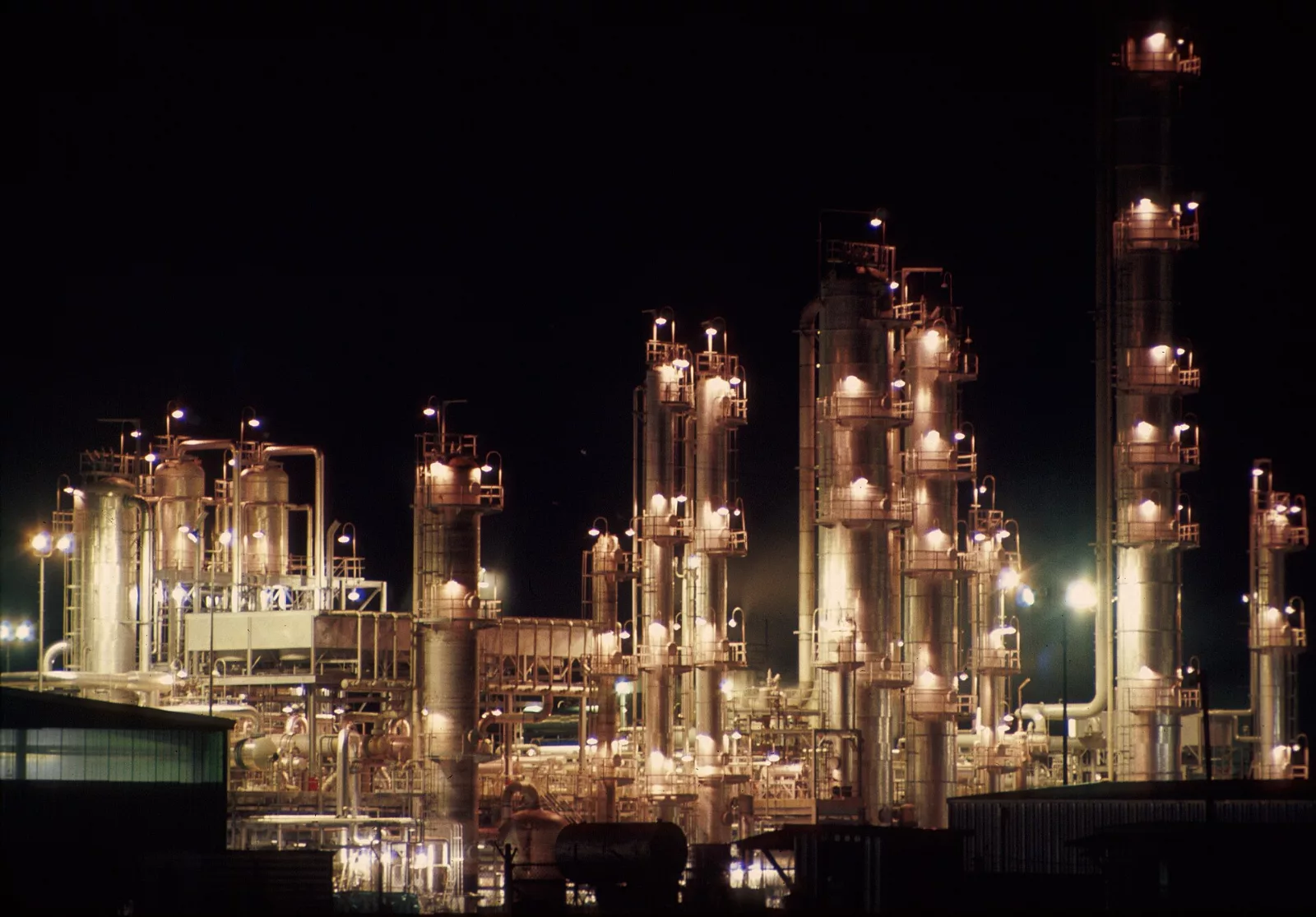
Brent crude rose 1.8% to $111.33 per barrel Oct. 28 after Iran-backed Houthi rebels attacked a major Saudi Arabian refinery this week.
Why did oil prices jump this week?
The attack on Saudi infrastructure pushed Brent crude back above $111 for the first time since early October's 5.3% spike to $105.54, when explosions hit the Saudi capital. The latest strike marks the third major oil-price event tied to Middle East conflict in six weeks.
The $111.33 close puts crude $6 higher than the $105.26 level reached during September's two-day 8.5% rally, and roughly $24 above the $87.32 level seen in late August when Iran-Oman diplomatic talks briefly eased Strait of Hormuz tensions.
What the $111 oil price costs small fleets
Every dollar of crude movement translates to roughly 3 cents per gallon at the diesel pump, with a two-to-three-week lag. A truck running 2,500 miles per week at 6 mpg burns about 417 gallons. At current crude levels, that's an extra $12.50 per week compared to late August pricing, or $650 annually per truck for a fleet running year-round.
Fuel surcharges typically cover 60% to 75% of diesel cost increases, leaving owner-operators and small fleets to absorb the remainder. For a 10-truck operation, the gap between August's $87 crude and today's $111 level adds roughly $6,500 in unrecovered annual fuel expense if the price holds.
How long the spike lasts
Oil markets have shown sharp volatility since Middle East conflict escalated in early September. Brent crude has swung from a low of $86.66 in late August to $111.33 today, a $25 range in two months. Previous spikes tied to infrastructure attacks have held for one to three weeks before retreating, though the pattern broke in early October when prices stayed elevated longer than prior events.
The refinery attack comes as Saudi Arabia supplies roughly 9% of global crude oil. Damage assessments and repair timelines have not been disclosed. If the facility remains offline for weeks, the $111 floor likely holds. If repairs move quickly or other OPEC producers increase output, prices could retreat toward the $100 to $105 range seen in late September.