Brent Crude Hits $102.10 as Middle East Attacks Resume
International oil benchmark rose 1.5% Oct. 7, now $55 higher than a year ago. What the climb costs small fleets.


Why did oil prices jump Oct. 7?
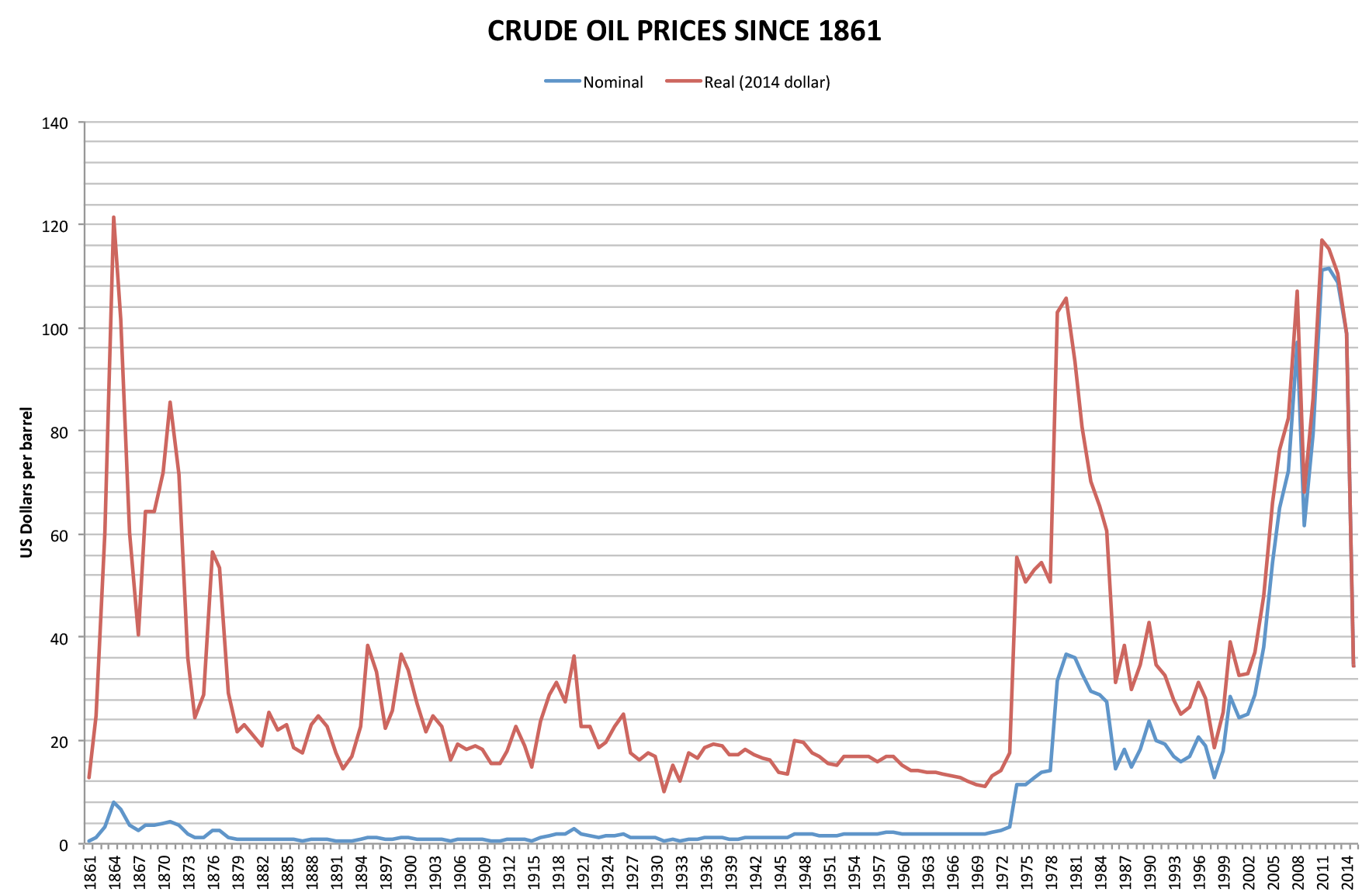
Brent crude rose 1.5% to $102.10 per barrel Oct. 7 following renewed attacks in the Middle East. That puts the international benchmark $55 higher than it traded a year ago, when a barrel cost roughly $47.
The single-day move adds pressure to diesel costs that have already climbed sharply this fall. A $1.50 jump in crude typically translates to a 3- to 4-cent increase at the pump within two weeks, though refinery margins and regional supply determine the final pass-through.
For a five-truck fleet running 500 miles per day per truck at 6 mpg, every 10-cent diesel increase costs an extra $42 per day, or $1,260 per month. The $55 year-over-year crude climb has already pushed national diesel averages above $6.30 per gallon in recent weeks, compared to roughly $4.80 a year ago.
What the $102 floor means for fuel budgets
Brent has traded above $100 per barrel for most of the past two weeks, briefly touching $106 before pulling back. The Oct. 7 move reverses a short-lived dip below the $100 mark and signals that geopolitical risk premium remains embedded in the market.
Small fleets that locked in fuel hedges or surcharge agreements tied to a lower baseline are now absorbing the gap between contract assumptions and pump reality. Carriers without indexed fuel surcharges are eating the difference outright, which at current crude levels can erase 8 to 12 cents per mile in margin on a typical dry van load.
The year-over-year comparison is stark. October 2025 crude traded in the mid-$40s, diesel averaged under $5, and spot rates for many lanes carried enough cushion to absorb fuel swings. October 2026 crude is more than double that floor, diesel has topped $6.38 in recent weeks, and spot rates in most markets have moved sideways or down since summer.
How long the rally lasts
Crude prices have whipsawed over the past month as Middle East conflict escalates and de-escalates. Brent climbed as high as $109 in late September, fell to $98 on signals that the Strait of Hormuz might reopen, then rebounded above $100 as attacks resumed.
The pattern creates planning problems for small fleets. Fuel is the second-largest line item after driver pay, and a 10% swing in diesel cost can flip a marginally profitable lane into a loss. Carriers that bid contract freight in August based on $95 crude are now running those lanes at $102 crude, with no mechanism to recover the difference unless the contract includes a floating fuel surcharge.
Owner-operators and small fleets typically lack the credit lines or cash reserves to hedge fuel exposure directly. The tools available to large carriers (futures contracts, bulk purchase agreements, swap arrangements with fuel retailers) require capital and counterparty relationships that a 10-truck fleet cannot access. That leaves most small operators exposed to spot diesel prices, which track crude with a lag but eventually reflect the full move.
The bill for a small fleet
A 10-truck fleet running 250,000 miles per week at 6 mpg burns roughly 41,667 gallons per week. At $6.30 per gallon, weekly fuel cost is $262,500. At $6.50 per gallon (a plausible outcome if crude holds above $102), that same consumption costs $270,833, an extra $8,333 per week or $433,333 annually.
Those numbers assume stable mileage. In reality, many small fleets have cut utilization this year as spot freight softened and contract rates failed to keep pace with operating cost inflation. Lower mileage reduces absolute fuel spend but raises per-mile fixed costs, compressing margin from both sides.
The $55 year-over-year crude increase has already shown up in settlement statements. Fleets that ran the same lanes in October 2025 and October 2026 are paying roughly $1.50 more per gallon for diesel, which at 6 mpg costs an extra 25 cents per mile. On a 500-mile load, that is $125 in additional fuel expense with no corresponding rate increase in most markets.