Diesel Drops 15¢ to $6.38, but Brent Crude Above $106 on Iran War
National diesel fell to $6.382/gallon last week, but crude oil volatility tied to Strait of Hormuz negotiations threatens to reverse the decline.


Why did diesel prices fall this week if crude oil is still above $106?
National on-highway diesel dropped 15 cents to $6.382 per gallon the week ending September 29, according to EIA data. Gasoline fell 1 cent to $4.465. The diesel decline came despite Brent crude hovering above $106 per barrel, a disconnect driven by regional fuel inventory differences and short-term supply adjustments that have not yet caught up to the crude price.
Diesel is still $2.628 higher than the same week last year. Gas is up $1.347 year-over-year. For a five-truck fleet running 500 miles per day per truck at 6 mpg, the 15-cent drop saves roughly $63 per day, or $1,890 per month, compared to the prior week. That assumes no change in utilization or fuel surcharge pass-through.
The national price drop was not uniform. Diesel prices rose in the Rocky Mountain region last week, and gasoline prices climbed along the West Coast and in the Rockies while falling across the rest of the country. The regional splits reflect pipeline capacity, refinery output differences, and the uneven flow of imported fuel as the war with Iran disrupts tanker routing.
What happens if the Iran war drags on?
Brent crude fluctuated several times this week as negotiations over the Strait of Hormuz stalled. President Trump publicly rejected Iran's proposal over the weekend, despite earlier reports that he was open to some of Iran's economic concessions. Trump stated he would not offer Iran anything. Iran is still waiting for a formal U.S. response to its proposal.
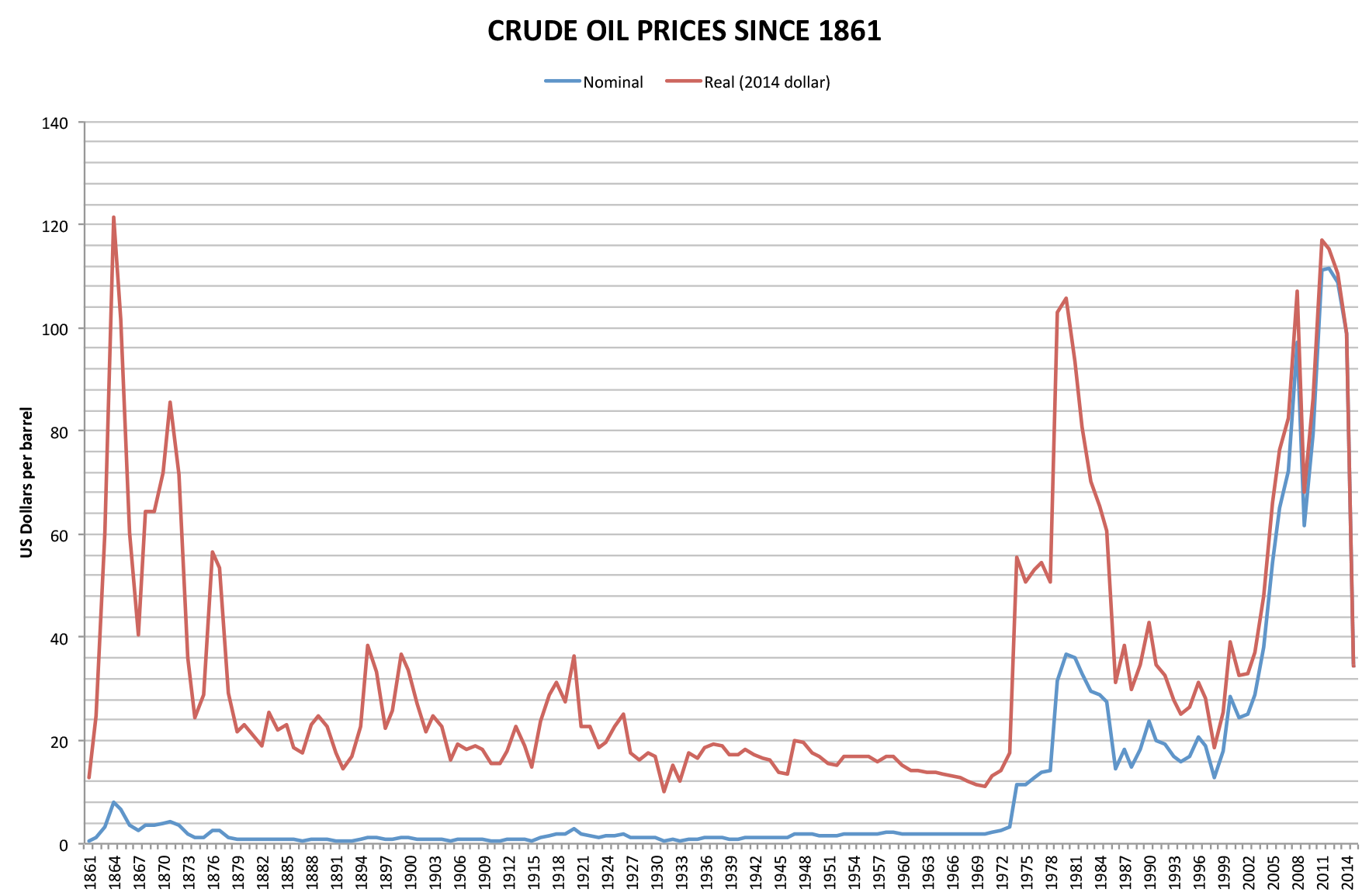
According to Washington Post reporting cited in the source, the global oil market has safety measures in place to keep petroleum prices down, but those measures are nearly exhausted. If peace is not established soon, crude oil could reach $150 or even $200 per barrel, levels experts feared when the war started.
At $150 per barrel, diesel could climb to $8 or higher per gallon, depending on refinery margins and regional supply. At $200 per barrel, diesel in the $10 to $12 range becomes plausible. For a 10-truck fleet burning 1,500 gallons per week, the difference between $6.38 and $10 diesel is $5,430 per week, or $23,527 per month. Fuel surcharge agreements written when diesel was $4 do not cover that gap.
The mismatch between Trump and Iran
The U.S. and Iran appear to have entirely different understandings of how negotiations are progressing. Trump insists he will not offer concessions. Iran continues to hold out hope for a deal. The uncertainty and daily changes in the war are reflected in crude oil price swings and the regional fuel price differences seen last week.
Crude oil price volatility makes fuel budgeting nearly impossible for small fleets. A carrier locking in a contract rate today with a fuel surcharge pegged to last week's $6.38 diesel could be underwater in two weeks if crude spikes to $120 and diesel follows to $7.50. The lag between crude price movement and retail diesel adjustment is typically five to seven days, but in a war-driven market that lag can compress or stretch unpredictably.
What the $6.38 diesel price means for small fleets
The 15-cent drop offers temporary relief, but it does not restore pre-war operating margins. Diesel at $6.38 is still 70% higher than the $3.75 national average in September 2025. For an owner-operator running 2,500 miles per week at 6 mpg, the fuel bill is $2,658 per week at $6.38, compared to $1,563 at $3.75. The difference, $1,095 per week, comes directly out of settlement if fuel surcharges have not kept pace.
Fleets that locked in fuel hedges or pre-bought diesel when prices were lower are insulated for now. Those running spot fuel purchases are exposed to every swing. The refinery run rate hit a multi-year high in August, which helped build inventories and contributed to last week's price drop, but refinery output cannot offset a sustained crude price spike if the Strait of Hormuz remains contested.
The next EIA diesel price report, due October 6, will show whether the 15-cent drop holds or reverses as crude volatility continues. Small fleets should plan for both scenarios. If crude stays above $106 and negotiations fail, the safety measures keeping diesel below $7 will not last.