Freight Volume Up 1.5% But Tied to One Boom That Could Stall in 2027
Data center construction is the only thing lifting tonnage. Food and beverage freight is down 3-4%, housing is stuck, and two more Fed hikes could erase last year's rate cuts.


Why is freight volume up if most sectors are flat or falling?
Freight volumes are running 1.5% above year-ago levels, but that growth is concentrated entirely in machinery, fabricated metals, and steel tied to data center construction. Food and beverage freight is down 3% to 4% from a year ago, pressured by GLP-1 drug adoption, reduced discretionary spending, wheat prices at a three-year high, and retaliatory tariffs cutting U.S. export volumes. The narrow base of growth leaves the broader freight market vulnerable if the data center buildout slows.
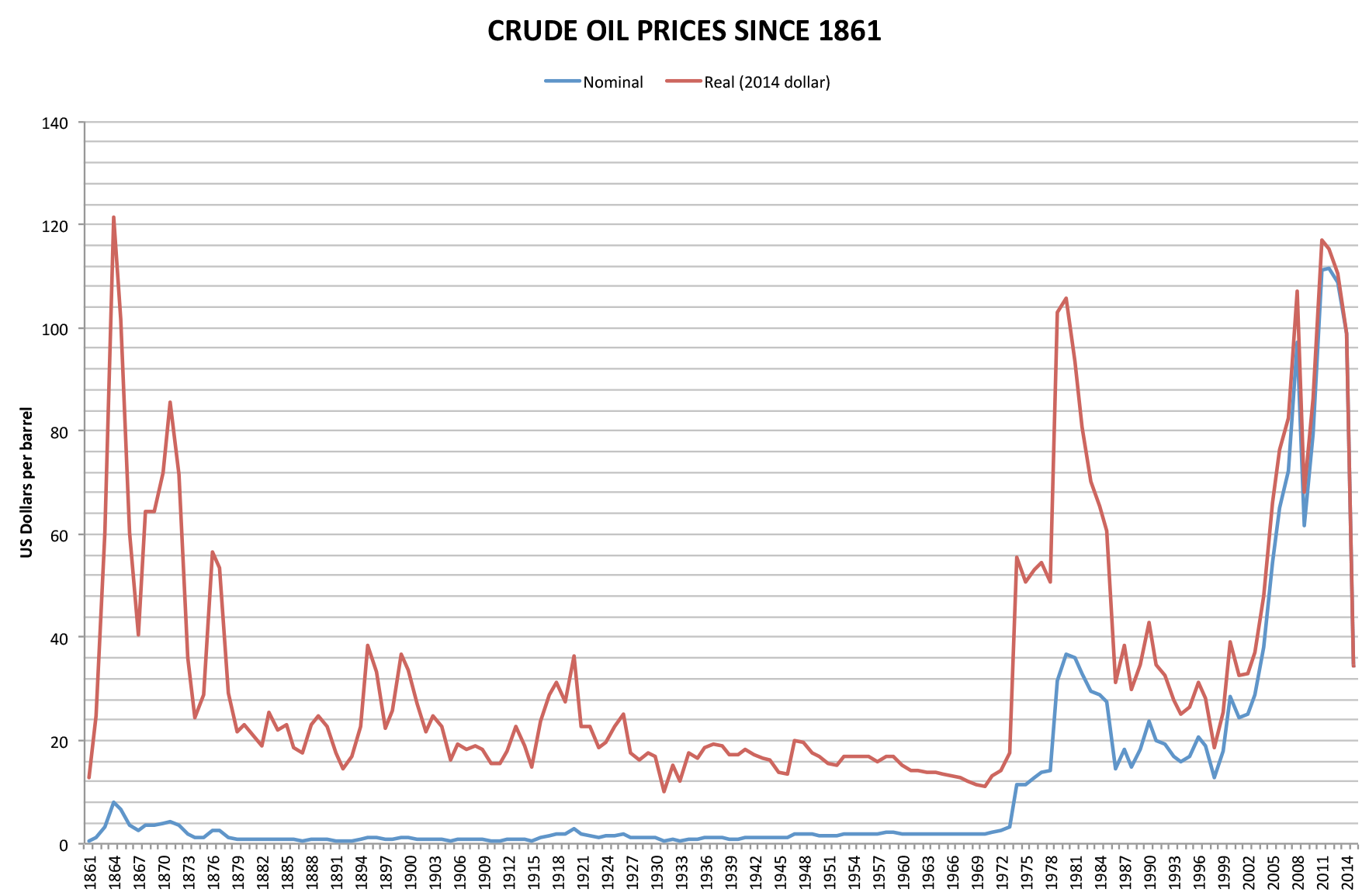
Dr. Jason Miller drew a direct parallel to the hydraulic fracturing boom that peaked in 2014 and collapsed into an industrial recession in 2015 and 2016. He said the next six to nine months of data center construction are already "baked in," but beyond that window, community opposition, AI company finances, and rising interest rates could slow the pipeline. He cited Oracle declaring force majeure on a New Mexico project with Blue Owl Capital as an early warning sign, and noted that OpenAI and Anthropic face mandatory compute payments next year that their revenues may not cover.
What's keeping capacity tight enough to lift contract rates?
Miller described current conditions as a "Goldilocks zone" for asset carriers: tight enough to support contract rate increases, but not so overheated as to trigger a capacity surge. Tender rejection rates are running around 14%, well below the roughly 28% weekly-average peak seen during the 2021 boom. Three compounding forces removed supply: three consecutive bad years for carriers in 2023, 2024, and 2025; English-language proficiency and non-domiciled CDL enforcement actions; and the Supreme Court's May ruling in Montgomery v. Carbide, which stripped broker liability protections under state tort law.
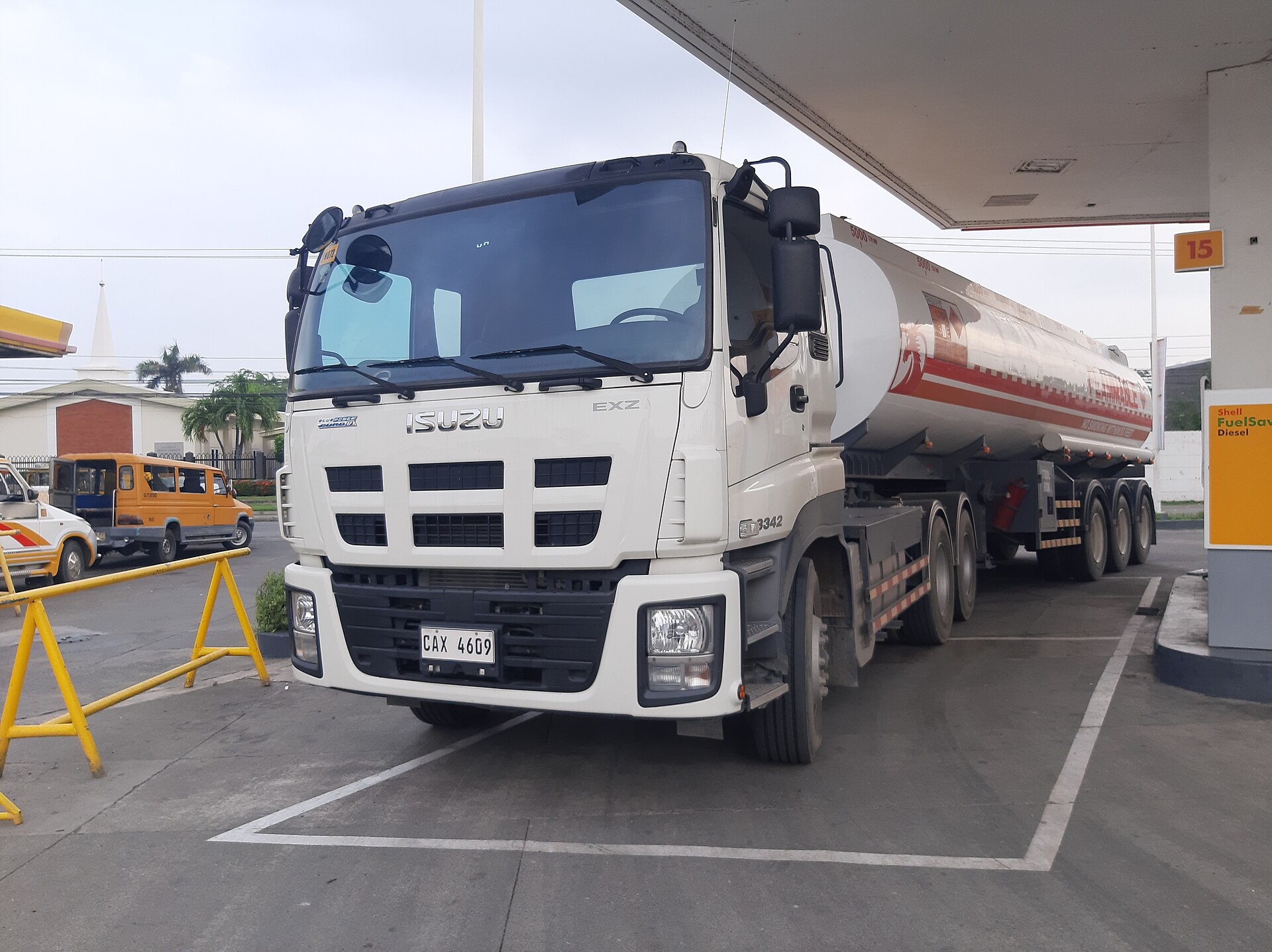
Diesel prices above $4 per gallon are acting as an additional brake on capacity re-entry heading into 2027. The combination of enforcement pressure, legal risk, and fuel cost is keeping small fleets and owner-operators on the sidelines even as spot rates inch higher.
Why is consumer sentiment crashing if GDP is growing?
Conference Board sentiment data fell sharply in September. Miller attributed much of the malaise to housing affordability: the median home price is roughly $390,000 to $400,000, creating a gap between qualifying income and median household income that did not exist in 2017 to 2019. Flatbed carriers dependent on single-family housing starts should plan for a weaker spring 2026 ramp, he warned.
The dynamic mirrors 2011 to 2014, when freight demand grew but bypassed most consumers, keeping sentiment depressed even as GDP expanded. "The vibes are not good for the consumer," Miller said. This time, the growth is concentrated in industrial capital expenditure for AI infrastructure, not in sectors that touch household budgets or discretionary spending.
What happens if the Fed raises rates twice more?
Miller said two additional Fed rate hikes, one in October and one in December, would effectively erase all the interest rate cuts made at the end of last year. That would risk a material freight demand slowdown materializing in 2027. Higher rates compound the affordability problem in housing, slow business investment outside the data center sector, and raise the cost of financing equipment for carriers trying to expand.
He added that a return to large-scale military conflict involving Iran could push energy prices higher, force the Fed to raise rates further, and compound demand contraction across the freight market. The combination of higher diesel, higher interest rates, and weaker consumer spending would hit small fleets hardest, particularly those running food and beverage or retail lanes.
Which lanes are weakest right now?
Food and beverage freight is down 3% to 4% from a year ago. GLP-1 drug adoption is reducing calorie consumption, wheat prices are at a three-year high, and retaliatory tariffs are cutting U.S. export volumes. Flatbed carriers dependent on single-family housing starts face a weaker spring 2026 ramp because the median home price has created a gap between qualifying income and median household income that did not exist in 2017 to 2019.
The only lanes showing strength are those tied to data center construction: machinery, fabricated metals, and steel. That concentration means a 5-truck fleet running reefer or dry van into grocery distribution centers is seeing a different market than a flatbed hauling structural steel to a hyperscale data center site in Virginia or Arizona. The data center buildout is lifting aggregate tonnage numbers, but most small fleets are not touching those loads.
What this means for a 10-truck fleet
If you run food and beverage or retail lanes, plan for flat to negative volume growth through the first half of 2027. If you run flatbed and depend on housing starts, the spring 2026 ramp will be weaker than normal. If you run machinery or steel and can access data center construction lanes, the next six to nine months are solid, but the pipeline beyond that window is uncertain.
Diesel above $4 per gallon and the possibility of two more Fed rate hikes by year-end mean fuel and financing costs are rising at the same time demand outside the data center sector is soft. Tender rejection rates around 14% are high enough to support modest contract rate increases for asset carriers, but not high enough to pull sidelined capacity back into the market. That keeps the market in a narrow band: tight enough to avoid a rate collapse, but not strong enough to justify adding trucks or drivers unless you have committed volume in the lanes that are actually growing.