Canada Hits U.S. Goods With 50% Tariffs Sept. 8, Targeting $20B in Freight
Ottawa's counter-tariffs cover steel, dairy, furniture, and 700+ products after weekend trade talks collapse. Cross-border truck volumes at Detroit, Port Huron, and Buffalo face disruption as supply chains absorb new duties.


What tariffs did Canada announce on U.S. goods?
Canada will impose retaliatory tariffs of up to 50% on approximately $20 billion to $27.6 billion worth of U.S. goods starting Sept. 8, matching Washington's weekend tariffs rate-for-rate. Finance Minister François-Philippe Champagne said the duties will hit more than 700 products at rates of 15%, 25%, and 50%, covering steel, aluminum, dairy, seafood, furniture, apparel, cosmetics, paper products, and farm equipment. The targeted imports represent roughly 8% of total U.S. exports to Canada based on 2025 Census Bureau data.
"We did not choose this conflict, but when our economic integration is used as a weapon rather than the foundation for a win-win partnership, we need to stand up," Champagne said during an Aug. 25 news conference in Ottawa.
The announcement follows the collapse of U.S.-Canada trade negotiations over the weekend and the Trump administration's imposition of 50% tariffs on Canadian goods Saturday. Prime Minister Mark Carney said U.S. negotiators demanded concessions Ottawa was unwilling to make. "They asked too much and offered too little," Carney said.
How much cross-border truck freight is at risk?
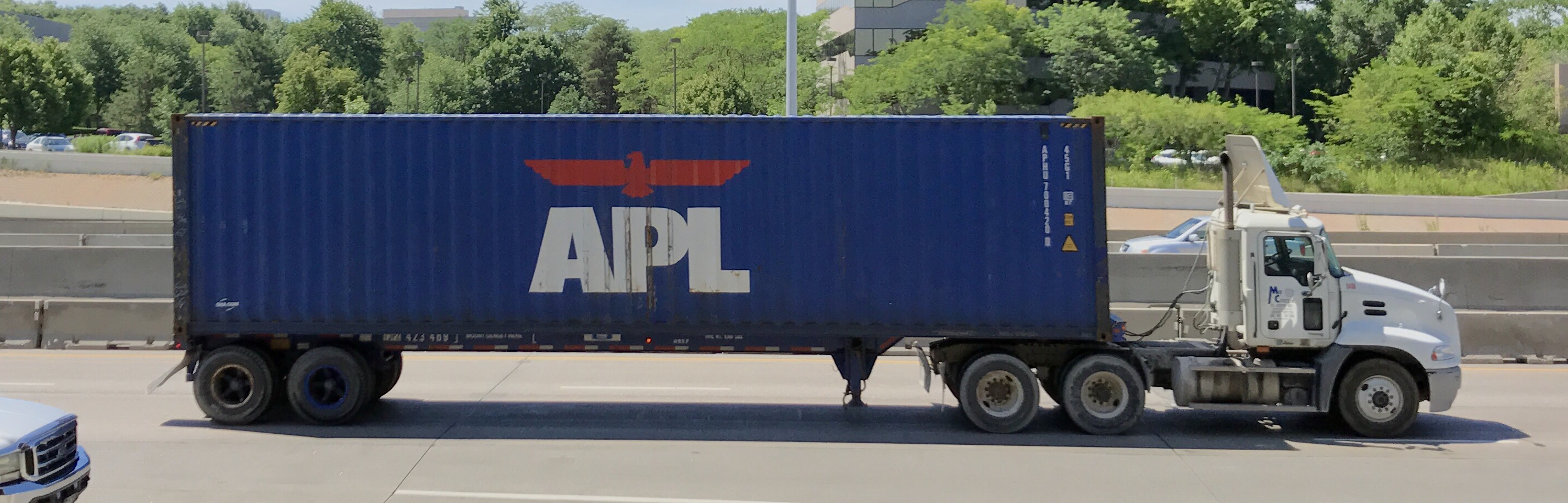
Approximately 5.5 million commercial trucks enter the U.S. from Canada annually, averaging 15,000 trucks per day and carrying an estimated $396 billion in goods. Trucks account for more than 55% of the value of freight traded between the two countries. Detroit, Port Huron, Michigan, and Buffalo, New York, rank among the busiest truck crossings.
From January through June, the U.S. exported $175.8 billion in goods to Canada, the second-largest export trading partner after Mexico, accounting for 14% of all U.S. exports. The U.S. imported $200 billion in goods from Canada during the first half of the year, representing 11.5% of all U.S. imports.
The escalating tariffs threaten integrated North American supply chains across autos, energy, agriculture, and manufacturing. Canadian officials said the goal is not to raise revenue but to protect Canadian companies and reduce U.S. imports. U.S. steel imports have already fallen 30% since Canada imposed a 25% tariff earlier this year, and the new 50% rate is expected to cut them further.
Which products face the highest duties?
Goods facing 50% tariffs include some steel and aluminum products, furniture, and clothing. Appliances, dairy products including cheese, fish and seafood, and certain steel and aluminum derivatives will face 25% tariffs. Existing Canadian counter-tariffs on U.S. autos remain in place. The tariffs extend beyond industrial goods to everyday purchases such as toilet paper, with Canada matching the corresponding U.S. tariff rate on each product.
The largest share of the new measures affects steel and aluminum. Canadian officials acknowledged the counter-tariffs will raise costs for some businesses and consumers but said they expect the overall economic effects to be moderate.
What did Trump say about auto and truck tariffs?
President Donald Trump said Aug. 24 that the U.S. will increase tariffs on Canadian-made automobiles and auto parts from 25% to 50% beginning Jan. 1, 2027. The higher tariff will also apply to steel and trucks. Trump told Canadian leaders to "fall in line" or face consequences "far WORSE" than existing tariffs.
Carney said Aug. 24 that U.S. negotiators had raised the discoverability of French-language content on streaming platforms and French-language labeling rules as trade irritants during the failed talks. He rejected the idea that those protections were negotiable. "We learned during the negotiations that the Americans want to destroy our major industries, including autos, steel and aluminum," Carney said in French. "That was one of the main reasons we said no. It was a bad deal."
How much support is Canada offering affected businesses?
Canada announced a support package for workers and businesses affected by the dispute worth C$7.5 billion ($5.4 billion). Canadian officials said the government has provided more than C$30 billion ($21.7 billion) in tariff-related support since the beginning of 2025, far more than it has collected in retaliatory duties, as it tries to cushion the blow from the trade fight.
Carney said Aug. 24 that Canada may need to move away from matching U.S. tariffs dollar for dollar and instead use more targeted retaliation aimed at protecting Canadian workers and businesses.
What cross-border carriers should watch
The Sept. 8 effective date gives cross-border fleets two weeks to assess lane exposure and renegotiate contracts that assume pre-tariff pricing. Carriers hauling steel, aluminum, furniture, dairy, or seafood between the U.S. and Canada face the most immediate disruption. Shippers may delay orders or reroute production to avoid the new duties, cutting available loads on lanes through Detroit, Port Huron, and Buffalo.
Michael Howard II, owner of a furniture business in Warren, Michigan, outside Detroit, said the tariffs will hamper the "ability for us to put food on the table for our family" and affect "the ability for us to give back to our community." Howard and his wife started their business a decade ago, making and selling everything from dining room tables to bookcases. "To say that we don't need Canada is just disingenuous," he said. "It's dishonest. And it's just absolutely not truthful. We need our neighbor, but also they need us."
The Jan. 1, 2027, auto and truck tariff increase adds a second deadline for carriers hauling finished vehicles or components. Fleets with exposure to Canadian auto plants or cross-border parts shipments should model the 25-to-50% rate jump into 2027 contract bids now. The uncertainty around how long the trade fight lasts makes multi-year commitments on cross-border lanes riskier than they were 90 days ago.