Intermodal Saves Up to 49% vs. Truckload on East Coast Lanes
Harrisburg-Atlanta van spot rates up 42%, intermodal up just 16%. Contract truckload climbs while rail pricing holds flat, opening the widest savings window in years.

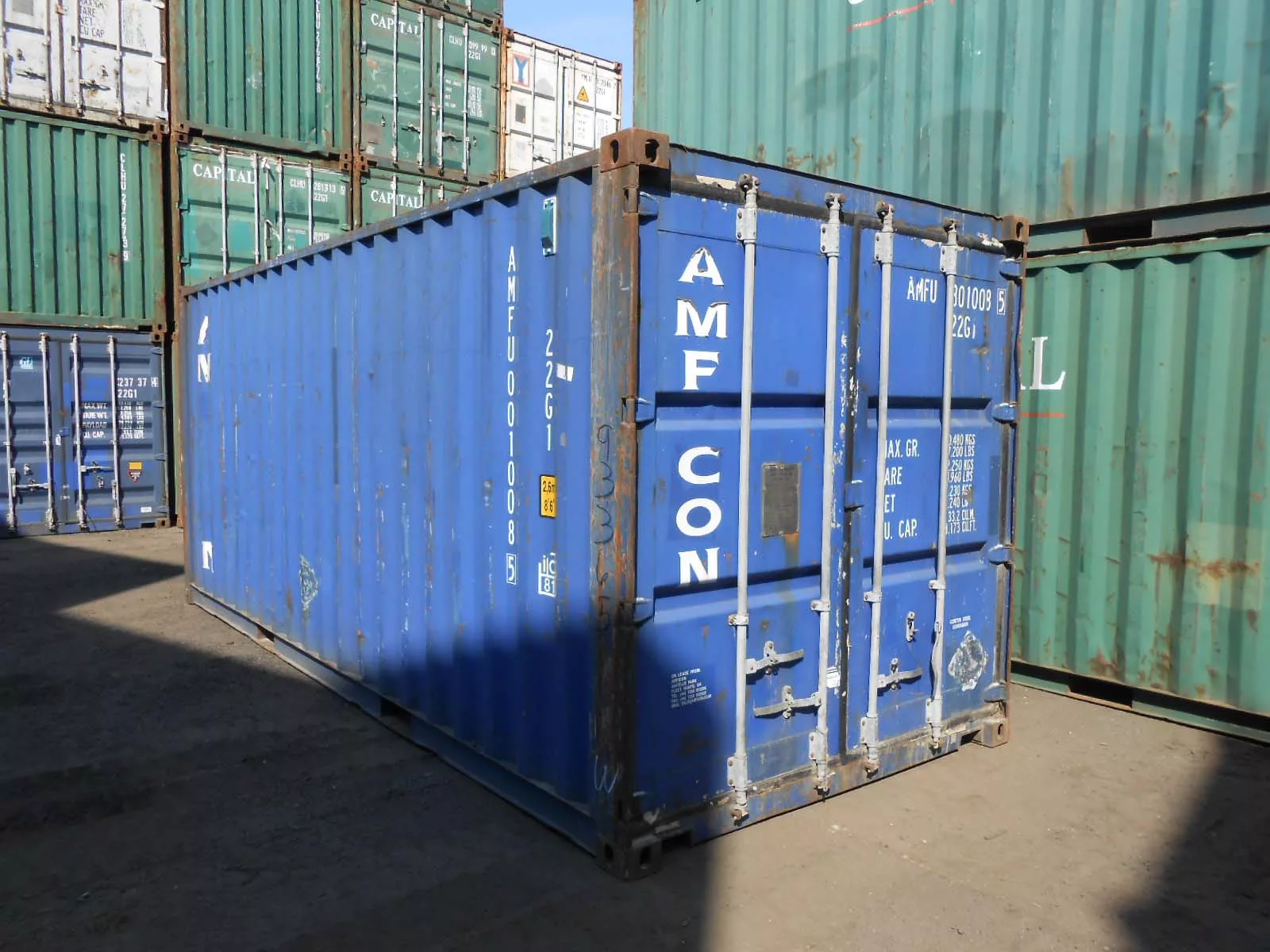
How much can a small fleet save by shifting qualifying loads to intermodal?
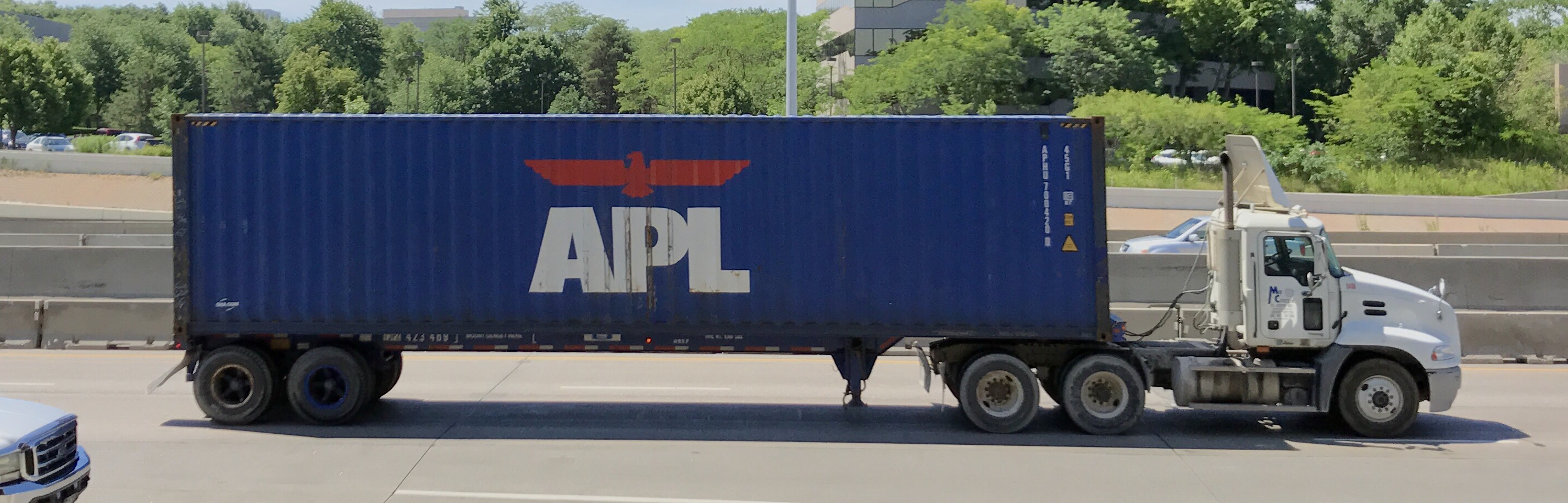
On the Harrisburg, Pennsylvania, to Atlanta lane, van spot truckload rates are up approximately 42%, van contract rates are up about 26%, and intermodal rates have risen only 16% over the same period. That gap is the widest in several years and is driving shippers and brokers to convert long-haul freight to rail on lanes where intermodal service fits.
East Coast corridors out of Atlanta and Harrisburg are leading the savings rankings. Atlanta to Chicago, Atlanta to Joliet, Atlanta to Elizabeth, New Jersey, and Harrisburg to both Ontario, California, and Los Angeles all show rising savings indexes over the most recent three months. The pattern is consistent: truckload rates are climbing faster than intermodal pricing, and the spread is large enough to justify mode conversion on lanes where transit time and equipment type allow it.
The broader rate environment reinforces the intermodal value proposition. Spot rates have leveled off after dropping from earlier peaks year to date. Contract truckload rates continue to rise, narrowing the gap between spot and contract. Julie Van de Kamp, presenting FreightWaves SONAR data, noted a roughly 66-cent-per-mile spread between spot rates on the National Truckload Index and contract rates on the VCRPM1, though she cautioned that spot rates are all-in while contract rates are linehaul only. Fuel surcharges are running approximately $0.70 per mile based on a Department of Energy estimate of around $45.
Tender rejections saw a significant drop from July 20 to August 5 but are now stabilizing. That stabilization suggests capacity is no longer tightening at the pace it was earlier in the summer, but it is not loosening either. For a small fleet running spot or short-term contract freight, the implication is that the current rate environment is likely to hold through peak season rather than soften.
Why intermodal pricing is holding flat while truckload climbs
Intermodal volumes are rising alongside the savings opportunity. SONAR's intermodal dashboard shows volume trends picking up on key lanes. Van de Kamp said the market will be watching whether increased intermodal adoption eventually puts upward pressure on intermodal contract rates. She had previously anticipated a potential increase of up to 8% in intermodal contract rates.
However, Van de Kamp suggested that the current railroad merger environment may delay any rate increases. "I would posit that in the wake of the current merger situation, that the 2 railroads involved in the merger aren't gonna really wanna make waves or give shippers or any of their customers any reason to oppose the merger," she said, adding that competing railroads would likely follow suit to protect market share.
For carriers running lanes that qualify for intermodal conversion, the takeaway is that the window is open now and may not last. If railroads hold pricing flat to smooth the merger process, shippers and brokers will continue to shift long-haul freight to rail. That shift reduces the volume available to truckload carriers on those lanes, which in turn supports the rate increases that are already underway on the truckload side.
What the narrowing spot-to-contract gap means for small fleets
The 66-cent-per-mile spread between spot and contract is narrower than it has been in recent quarters. For a small fleet running primarily spot freight, that narrowing spread means less volatility but also less upside. When spot and contract converge, the opportunity to cherry-pick high-paying spot loads diminishes, and the market begins to favor carriers with contract commitments.
Van de Kamp said she anticipates spot rates will rise again, but the continued climb in contract rates and the stability in intermodal pricing make the current period a meaningful opportunity for shippers and brokers to evaluate mode conversion on qualifying lanes. For carriers, that evaluation translates to fewer available loads on the lanes where intermodal is competitive, which in turn supports the rate increases that are already showing up in contract renewals.
The fuel surcharge estimate of $0.70 per mile is based on diesel at around $45 per gallon, which is lower than the $5.40 per gallon reported in mid-August. That discrepancy suggests the Department of Energy estimate may be lagging current pump prices, and carriers should verify fuel surcharge calculations on contract loads to ensure they are covering actual fuel costs.
The bill for a 10-truck fleet running East Coast lanes
A 10-truck fleet running the Harrisburg-Atlanta lane at current spot rates is paying 42% more per mile than it was before the rate climb began. If that fleet is running 500 miles per truck per day and operating six days a week, the rate increase translates to thousands of dollars per week in additional revenue if the fleet is on the receiving end of the rate, or thousands in additional cost if the fleet is brokering out overflow capacity.
For fleets that run lanes where intermodal is not an option, the rate environment is straightforward: truckload rates are up, and the spread between spot and contract is narrowing. For fleets that run lanes where intermodal is competitive, the decision is whether to compete on price with rail or to shift focus to lanes where truckload service is the only option. The data suggests the latter is the safer bet through peak season.