CBP Tariff Refund Process Heads to Federal Court Amid Importer Dispute
U.S. Customs official to testify on refund procedures after Supreme Court struck down Trump-era tariffs. No FMCSA compliance trigger, no CSA change, no operating-authority impact.


Who qualifies for tariff refunds after the Supreme Court ruling?
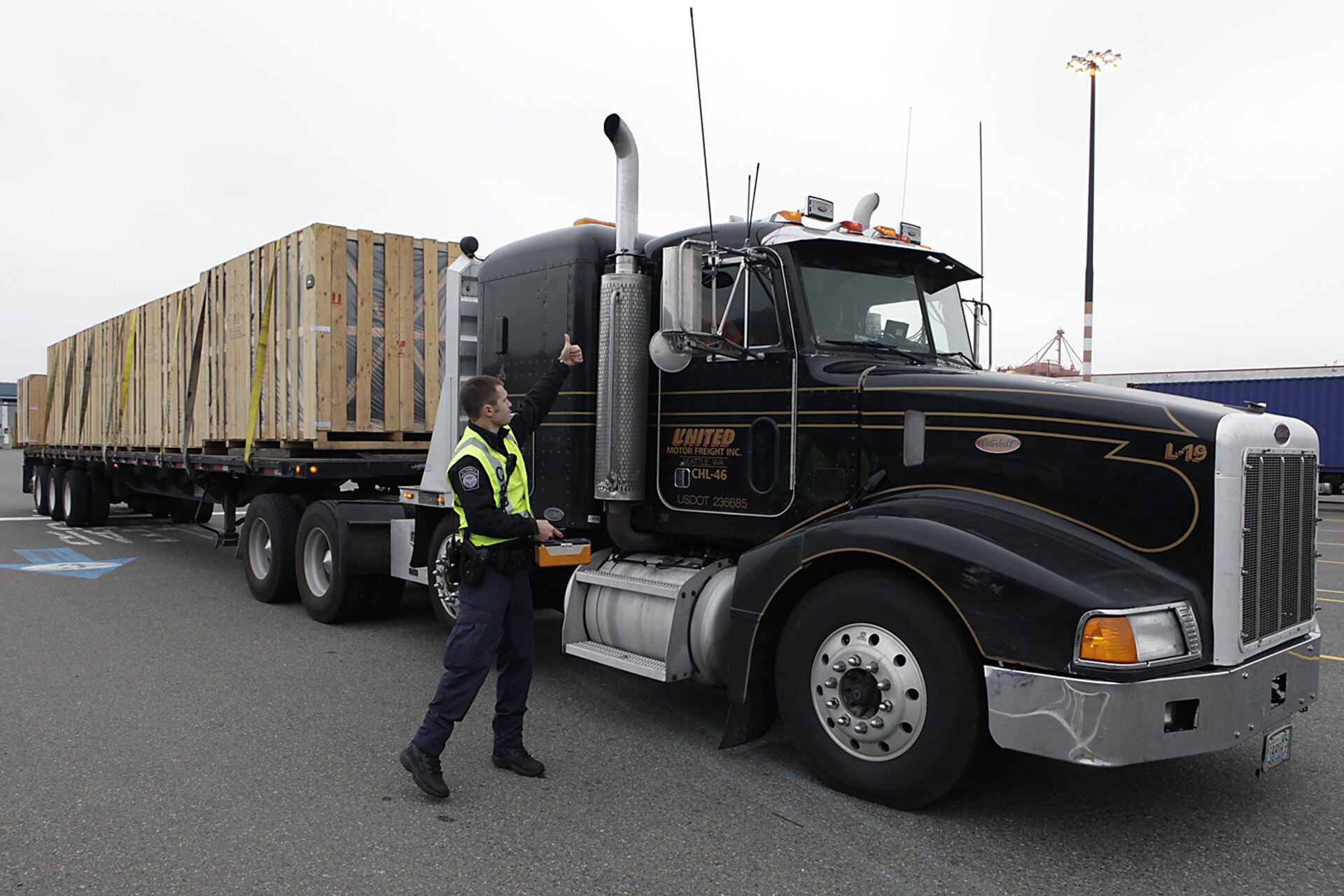
A U.S. Customs and Border Protection (CBP) official will testify in federal court about how the agency plans to refund billions of dollars importers paid under Trump-era tariffs that the Supreme Court struck down. The testimony addresses a dispute over which importers qualify to apply for refunds.
Why this is not a compliance story
This is a tariff-refund procedural matter. It carries no Federal Motor Carrier Safety Administration (FMCSA) rule change, no CSA percentile impact, no hours-of-service adjustment, no electronic logging device (ELD) mandate update, no operating-authority requirement, and no audit trigger for carriers.
Carriers who paid higher prices for imported equipment (chassis, trailers, tires, telematics hardware) because of the tariffs will not file refund claims directly with CBP. The importers who paid the duties at the border are the parties in the federal-court dispute. Whether those importers pass savings downstream to fleets depends on contract terms and market conditions, not on FMCSA paperwork or DOT enforcement.
What carriers should watch instead
If you operate cross-border or buy imported equipment, three regulatory lanes matter more than tariff-refund litigation:
Operating authority for cross-border moves. Mexican carriers entering the U.S. need a USDOT number, an FMCSA-issued operating authority (MC number for property carriers), proof of financial responsibility (a BMC-91 cargo bond or BMC-85 trust fund), a process agent (Form BOC-3), and a current biennial MCS-150 update. CBP enforces cabotage rules at the border. FMCSA audits safety fitness. The tariff refund process touches neither.
Customs broker vetting. If you hire a customs broker to clear imported freight, verify the broker holds a valid CBP license and carries errors-and-omissions insurance. Tariff disputes can trigger audits of entry documents. A broker who files incorrect classifications or valuations exposes you to penalties. That is a broker-fraud risk, not an FMCSA compliance risk.
Equipment duties and lead times. Commerce Department antidumping and countervailing-duty orders on chassis, trailers, and axles from China, Mexico, Thailand, and Vietnam remain in effect regardless of the Supreme Court tariff ruling. Those duties add cost and delay to new-equipment orders. Plan spec'ing and financing around current duty rates, not refund speculation.
The compliance takeaway
Tariff refunds are a Customs matter. They do not change your FMCSA obligations, your CSA score, your ELD settings, your new-entrant audit timeline, or your operating-authority paperwork. If you paid more for a trailer because of tariffs, the refund (if any) flows to the importer who paid CBP at the port of entry. Whether that importer credits you depends on your purchase contract, not on federal motor-carrier safety law.
Keep your MCS-150 current, your cargo bond active, and your process agent on file. The tariff-refund fight in federal court will not show up in your next compliance review.