Diesel Supply Crunch Tightens as Refineries Run Near Capacity
War-damaged energy infrastructure and maxed-out U.S. refineries leave little room to replace lost diesel supplies, pushing fuel costs higher with no quick fix in sight.


U.S. refineries are running near capacity with no room to make up for lost diesel supplies from war-damaged infrastructure overseas. Oil markets expert Tom Kloza warns that diesel, not crude oil, is the price to watch.
Why can't refineries just make more diesel?
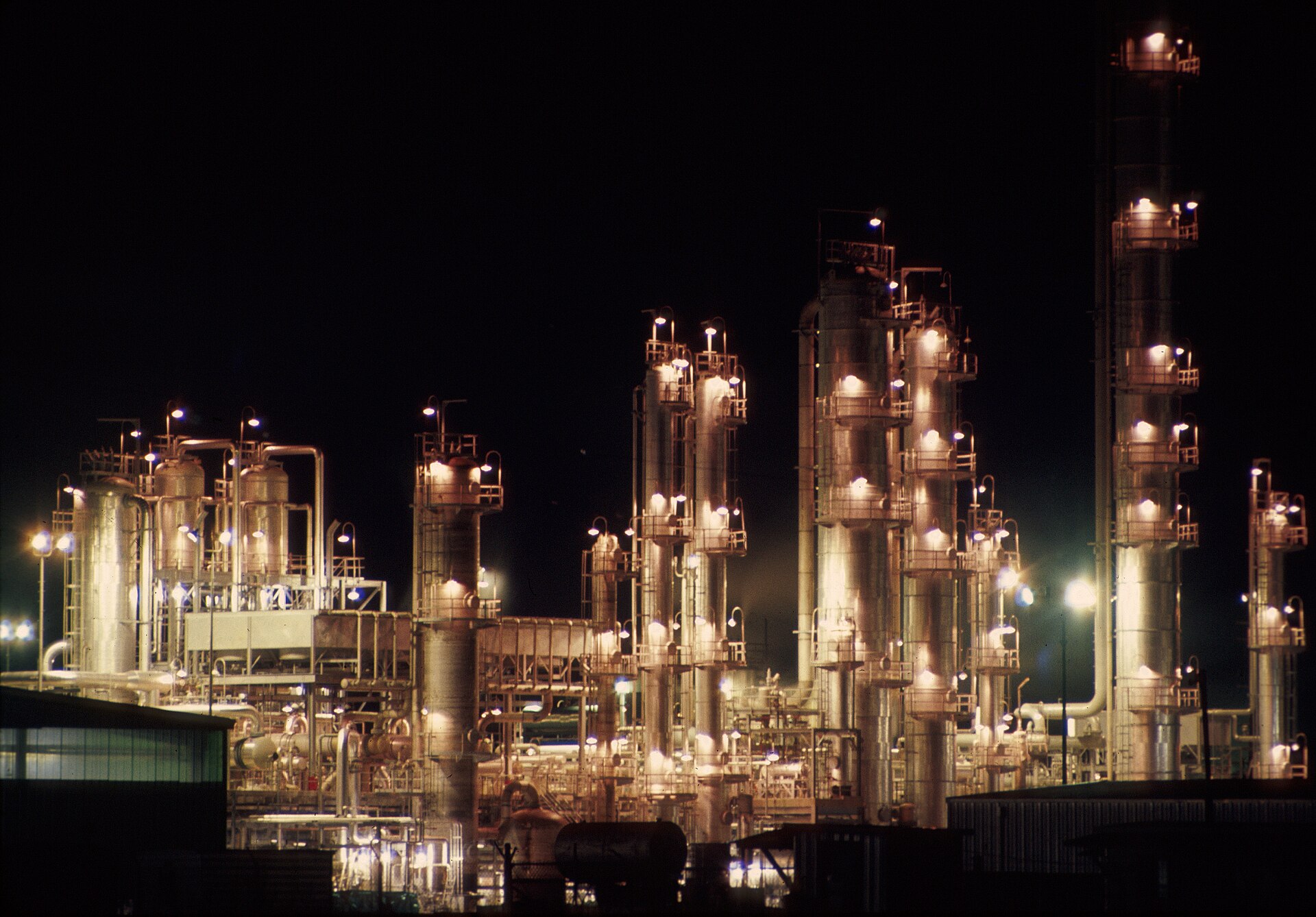
U.S. refineries are already operating at near-maximum capacity. Attacks on refineries and energy infrastructure in other parts of the world have tightened supplies of refined fuels, especially diesel. Domestic refineries cannot scale up production enough to replace those lost volumes.
The disruptions go beyond the Iran conflict. Even if the fighting ended tomorrow, damaged energy infrastructure and disrupted refining capacity would take months to repair and restore. The U.S. Strategic Petroleum Reserve also remains depleted and would need time to refill.
President Donald Trump has repeatedly suggested that fuel prices will fall when the war with Iran ends. But ending the fighting would not immediately repair damaged facilities or restore lost refining capacity. There is no telling when the war will end. Trump told The New York Times on Election Day that he did not regret launching the conflict, and insider reports indicate he was considering launching a new offensive shortly after the midterm elections.
What about emergency diesel measures?
Measures such as restricting diesel exports or allowing sales of dyed diesel for on-road use are unlikely to solve the underlying problem, according to Kloza. Export restrictions would provide only marginal relief given the scale of the supply shortfall. Allowing dyed diesel for on-road use would tap a limited pool of off-road fuel without addressing the core refining capacity constraint.
The incoming Congress is limited in what it can do to address the administration's handling of the war. Legislative options to directly influence fuel supply are narrow, and any policy changes would take time to implement and show results.
What this means for small fleets
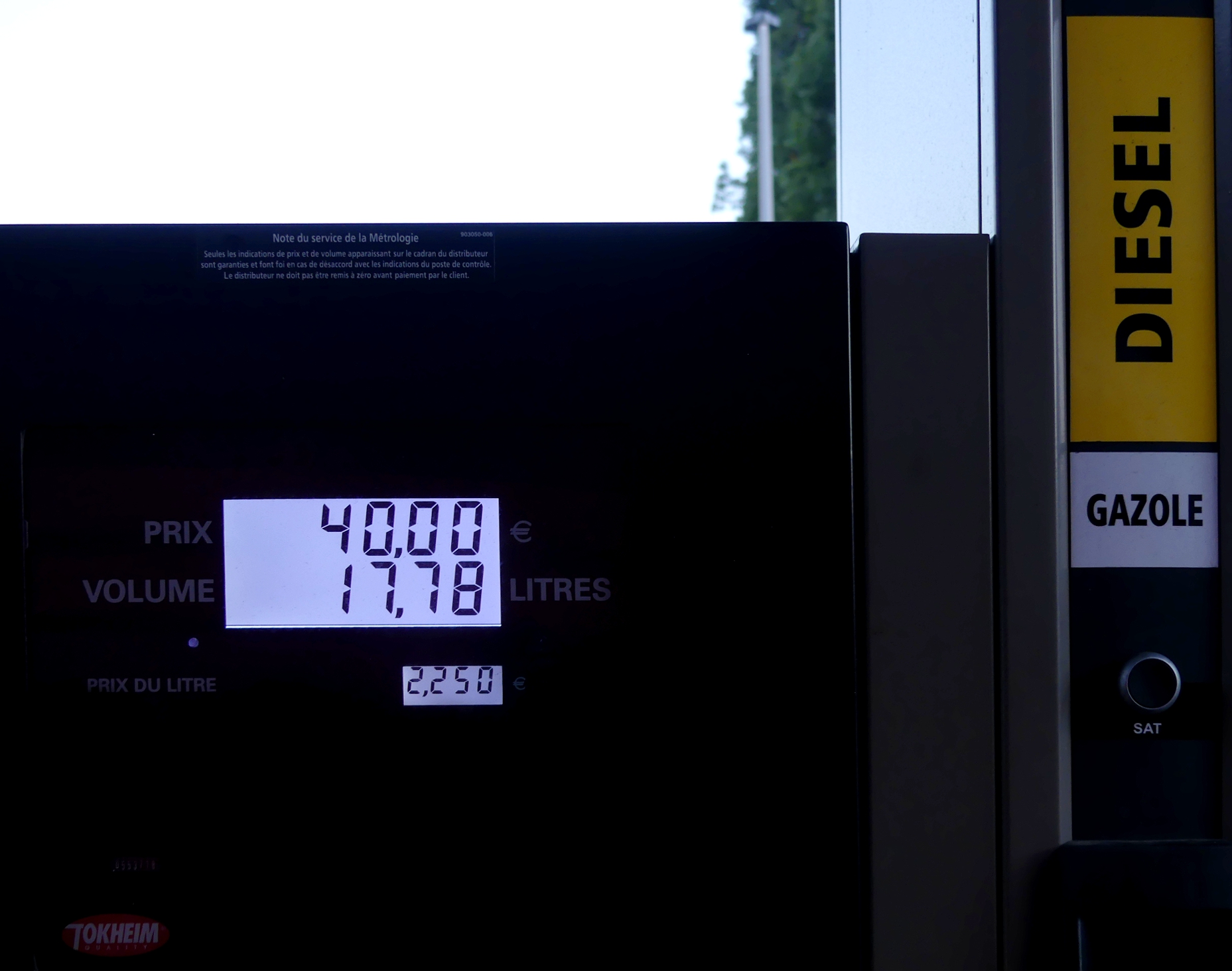
Fuel costs have already climbed sharply this year. Gasoline hit $4.48/gal in May, up 50% since the Iran war started. Diesel typically tracks gasoline but with tighter supply fundamentals. With refineries maxed out and no quick path to restoring lost overseas capacity, diesel prices are likely to stay elevated or climb further.
For a five-truck fleet running 100,000 miles per month at 6 mpg, every 50-cent increase in diesel adds $8,333 to the monthly fuel bill. Fleets without fuel surcharge protection in their contracts are absorbing that cost directly. Those with surcharges tied to the DOE average will see some relief, but the lag between price spikes and surcharge adjustments can still create cash flow pressure.
The supply crunch also raises the risk of regional shortages or allocation if refinery outages or distribution disruptions hit key markets. Fleets should monitor fuel availability in their operating lanes and consider strategies like topping off tanks when prices dip temporarily or locking in fuel card rates if their provider offers short-term hedging options.
With no clear timeline for infrastructure repairs overseas and U.S. refineries already running flat out, diesel supply will remain tight through at least the first half of 2027. Plan fuel budgets accordingly.