Diesel Futures Swing 25 Cents in Two Days on Iran Rumors
Ultra-low sulfur diesel plunged then rebounded on geopolitical chatter, but backwardation and low inventories signal tight supply ahead of heating season.


Why did diesel prices drop then spike this week?
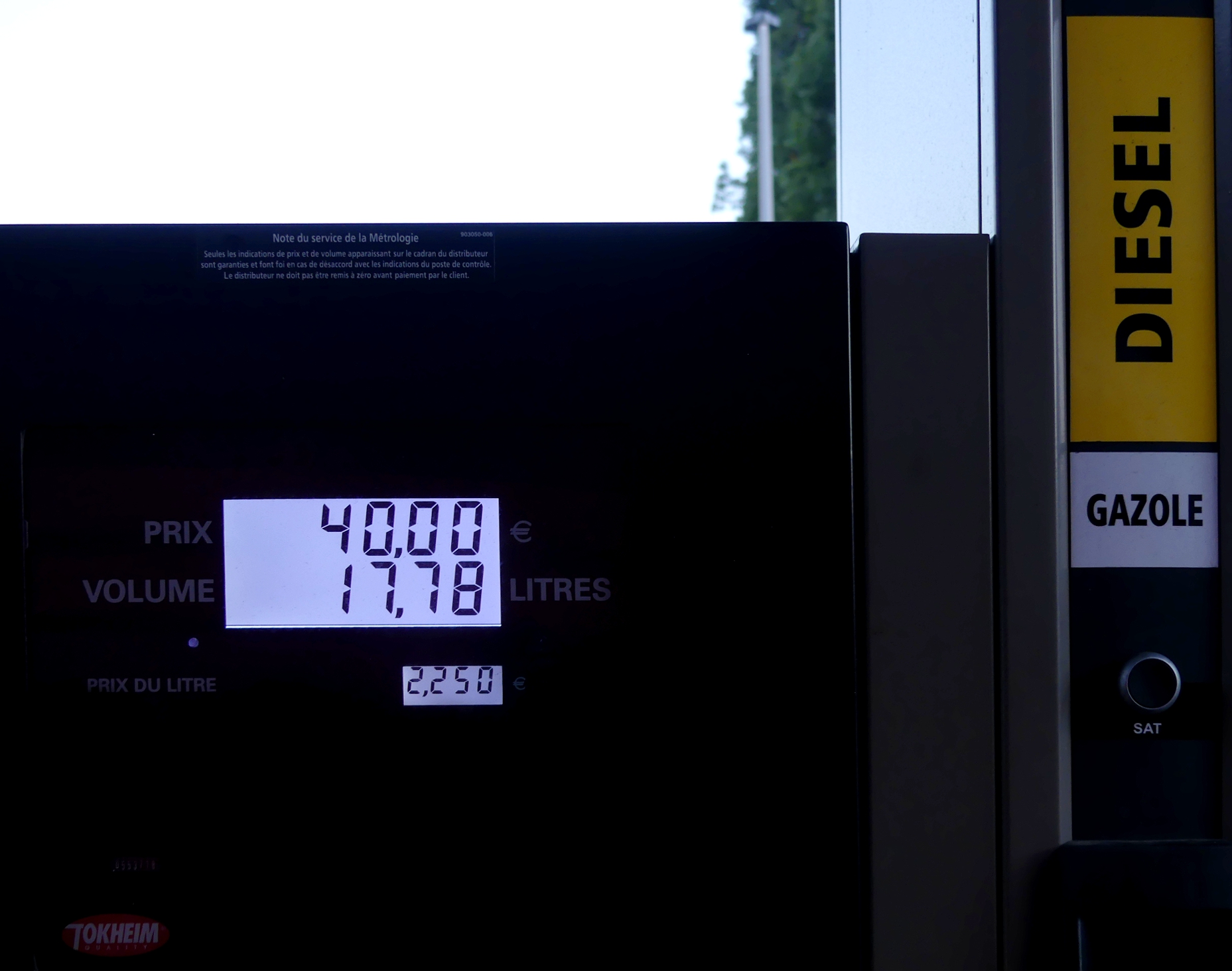
Ultra-low sulfur diesel on the CME exchange dropped 25.45 cents per gallon on the December contract in a single session after unconfirmed reports of U.S.-Iran peace talks circulated on social media. The next day, diesel rebounded 10 to 11 cents when Iranian officials said no agreement was close. The Department of Energy weekly benchmark showed a smaller move, down $0.06 to $6.292 per gallon, but the futures swings exposed how fragile the market has become.
The volatility matters because it reflects structural tightness that will outlast any diplomatic news. Roughly 10 million barrels per day of global refining capacity has been knocked offline by attacks in the Middle East and Ukraine. U.S. and international distillate inventories remain extremely low heading into heating-oil season.
"The market is absolutely going to go down" if conflict eases, said John Kingston, who covers fuel markets. But he cautioned that any relief would be short-lived: "That doesn't take away from the fact that longer term, after that kind of almost sugar high has worn off, you have inventories to refill. You have facilities that have to be rebuilt."
What backwardation means for fuel surcharges
Diesel remains in steep backwardation, a market structure where near-term prices exceed future prices. In a well-supplied market, commodity prices rise gradually along the forward curve, a condition known as contango. The persistent reversal of that pattern in diesel indicates buyers are paying a premium for immediate delivery, a dynamic backed up by weekly EIA inventory data.
For carriers, backwardation translates to higher fuel surcharges now and uncertainty about whether those surcharges will hold. If the market flips to contango, spot fuel costs drop and surcharge formulas lag, squeezing margins. If backwardation persists, fuel costs stay elevated but at least predictable week to week.
Refinery deals show the value of processing capacity
Two major deals this week illustrated how valuable refining capacity has become. Valero announced it would purchase the shuttered LyondellBasell refinery in Houston, which has been offline for about three years and has more than 100,000 barrels per day of capacity, for roughly $350 million. On the same day, Marathon said it was selling two operating Midwest refineries, in Minnesota and North Dakota, to a company identified as CVI for over $4 billion.
The stark price gap suggests the Houston facility will require substantial investment before it can contribute to supply. Jeffrey Currie, former head of commodities research at Goldman Sachs, separately observed that the Brent forward curve shows little price decline even a year out, reflecting deep market uncertainty about when and whether supply-demand balances will normalize.
The Houston refinery will not come online quickly. Even if Valero moves fast, the facility has been idle for three years and will need equipment overhauls, permitting, and staffing before it can process crude. That means no near-term relief from that quarter.
Heating oil exposure in the Northeast
Heating oil consumers in the Northeast face the sharpest near-term exposure. Heating oil and diesel are both distillates and trade in close correlation, meaning any diesel price spike will flow directly into home heating bills. Kingston said supply itself is not the concern, noting the U.S. is a net exporter of distillates. Affordability is. "They might go broke for the price," he said of households in New England that have no practical alternative to heating oil.
An El Niño weather pattern, which historically delivers warmer-than-usual winters to the Northeast, could reduce heating demand and ease some pressure on distillate prices. That outcome remains uncertain.
What this means for a 10-truck fleet
A carrier running 10 trucks at 6 miles per gallon and 100,000 miles per truck per year burns roughly 167,000 gallons annually. A 25-cent swing in diesel, even if it lasts only a few days, can shift fuel costs by $41,750 if a fleet fuels during the trough versus the peak. Most fleets cannot time the market that precisely, but the swings show how much settlement-statement risk sits in the fuel line right now.
Backwardation favors carriers who can lock in fuel surcharges tied to current spot prices. If you are running on a percentage of linehaul with no fuel component, you are eating the volatility. If your contracts include a fuel surcharge indexed to DOE averages, you are partially hedged, but the lag between the weekly benchmark and intraday futures moves can still cost you.
The refinery capacity gap and low inventories mean diesel is likely to stay expensive and jumpy through winter. Plan fuel stops around the cheapest lanes you can find, and if you are negotiating contracts now, push for fuel surcharges that reset weekly, not monthly.