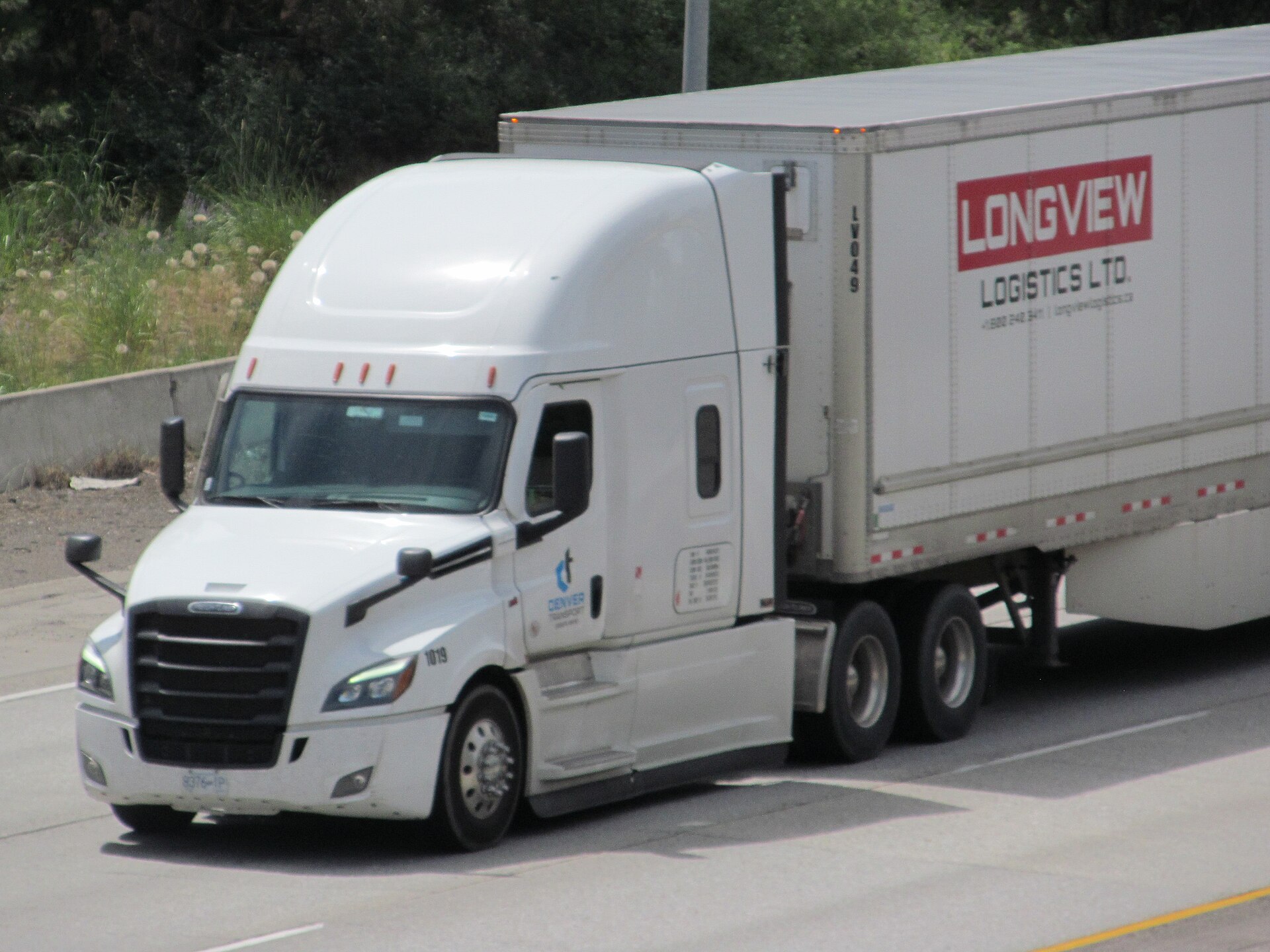
Unlicensed Truckers Cited at Roadside as Non-Domiciled CDL Access Tightens
Law enforcement officers are pulling more drivers without valid credentials as states revoke non-domiciled CDLs and FMCSA narrows eligibility.


Law enforcement officers are citing truck drivers without valid commercial driver licenses at roadside inspections and crash scenes across the United States. The trend follows state revocations of non-domiciled CDLs and tighter FMCSA eligibility rules.
How many unlicensed truckers are law enforcement finding?
The source does not provide a national count of unlicensed-driver citations or a percentage increase. What carriers face is a pattern: officers are finding drivers who no longer hold valid credentials, and the citations are appearing in roadside stops and post-crash investigations.
What changed with non-domiciled CDLs?
FMCSA narrowed the immigration documents foreign nationals can use to qualify for a non-domiciled CDL in September 2025. A non-domiciled CDL is a commercial driver license issued to a driver who does not have lawful permanent residence or temporary lawful status in the United States.
States responded by reviewing existing non-domiciled licenses. Ohio revoked 1,200 non-domiciled CDLs and stopped issuing new ones in early June 2026. The state had previously reviewed 5,000 non-domiciled CDLs after the FMCSA rule change.
When a state revokes a CDL, the driver loses legal authority to operate a commercial motor vehicle. If the driver continues to operate, law enforcement can cite the driver for operating without a valid license during a roadside inspection or after a crash.
What carriers must verify now
Carriers must verify that every driver holds a current, valid CDL before dispatch. Federal regulation 49 CFR 383.23 prohibits a motor carrier from allowing a person to drive a commercial motor vehicle unless the person holds a valid CDL.
The verification step is not new. What changed is the risk that a driver who held a valid non-domiciled CDL six months ago no longer does.
Carriers pull motor vehicle records (MVRs) once a year under 49 CFR 391.25. A license suspended or revoked in February stays invisible to the carrier until the next annual MVR check, which could be 11 months away. Annual MVR checks leave carriers blind to suspended licenses for 11 months.
Some carriers pull MVRs quarterly or monthly to catch mid-year suspensions. The regulation does not require more frequent checks, but a carrier that dispatches a driver without a valid CDL faces a violation during a compliance review or roadside inspection.
What happens during a roadside inspection
A law enforcement officer checks the driver's CDL during a Level I, Level II, or Level III inspection. If the license is suspended, revoked, or invalid, the officer places the driver out of service. The carrier receives a violation under the Driver Fitness BASIC (Behavior Analysis and Safety Improvement Category) in the FMCSA's Safety Measurement System.
A driver operating without a valid CDL is an automatic out-of-service condition under 49 CFR 383.51. The driver cannot continue until the driver obtains a valid license. The carrier must arrange for another driver to move the truck and load.
The violation also carries CSA severity weight. An invalid-license violation in the Driver Fitness BASIC adds points to the carrier's percentile score. A carrier above the 50th percentile in Driver Fitness faces a higher probability of an FMCSA compliance review.
What audit prep changes
Carriers preparing for a new-entrant safety audit or a compliance review must verify that every driver file contains a current, valid CDL photocopy and a current MVR. The FMCSA investigator will check that the CDL on file matches the state database and that the carrier pulled an MVR within the past 12 months.
If the investigator finds a driver who operated without a valid CDL, the carrier receives an acute violation. An acute violation can result in a conditional or unsatisfactory safety rating. A carrier with an unsatisfactory rating loses operating authority.
Carriers that hire drivers who previously held non-domiciled CDLs should pull a fresh MVR before the next dispatch. The state database will show whether the license is still valid or has been revoked.
The compliance step for small fleets
Small fleets that cannot afford monthly MVR checks should at minimum verify CDL validity before hiring a new driver and before the driver's annual review. The verification takes two steps: photocopy the physical CDL and pull an MVR from the state that issued the license.
Some states allow carriers to verify CDL status online through a public portal. The portal shows whether the license is valid, suspended, or revoked. The check is not a substitute for the annual MVR requirement under 49 CFR 391.25, but it catches revocations between annual pulls.
Carriers that use a digital carrier-packet workflow for broker onboarding can apply the same document-collection discipline to driver files. The goal is a current CDL photocopy and a current MVR in every driver file before the FMCSA investigator asks for it.
What to do if a driver's CDL is revoked
If a carrier learns that a driver's CDL has been revoked, the carrier must immediately remove the driver from safety-sensitive functions. The driver cannot operate a commercial motor vehicle until the driver obtains a new, valid CDL.
The carrier should document the date the carrier learned of the revocation and the date the carrier removed the driver from service. That documentation protects the carrier if the FMCSA later questions why the driver was on the road.
If the revocation stems from the state's review of non-domiciled CDLs, the driver may not be eligible to obtain a new non-domiciled CDL under current FMCSA rules. The driver would need to obtain lawful permanent residence or temporary lawful status to qualify for a domiciled CDL, or the driver would need to return to the driver's home country and obtain a CDL there.
The Monday-morning action
Pull an MVR for every driver who holds or previously held a non-domiciled CDL. Verify that the license is still valid. If the state revoked the license, remove the driver from dispatch immediately. Document the date you learned of the revocation and the date you removed the driver. Update your hiring checklist to include a CDL-validity check before every new hire and before every annual driver review.