Werner Credits Military Heavy-Equipment Time Toward CDL Pay Scale
Carrier's apprenticeship program stacks VA housing allowance on top of driver paycheck; team-driving structure mirrors service-member operational partnerships.


Werner Enterprises credits military heavy-equipment experience toward higher starting pay rates and wider account access once a veteran obtains a CDL, according to Greg Hamm, Vice President of Government and Field Recruiting at the carrier.
The policy applies to drivers who secure their commercial license through either the Military Skills Test Waiver (which waives the road test for service members who operated heavy equipment within two years of separation) or the Even Exchange Program (which waives the knowledge test in participating states). Werner then recognizes that military experience at hire, placing the driver into a higher pay bracket and opening dedicated, expedited, and drop-and-hook route assignments typically reserved for experienced operators.
How does Werner's registered apprenticeship program work for veterans?
Werner operates the industry's first Department of Labor and VA-approved Registered Truck Driver Apprenticeship. Eligible veterans can use GI Bill or VA educational benefits to receive a tax-free monthly housing allowance directly from the VA while completing on-the-job training and drawing their full Werner paycheck simultaneously.
Hamm said an eligible veteran can earn up to $37,020 tax-free over two years through the housing allowance, stacked on top of regular driver wages. Werner's military recruiting team handles all VA paperwork and monthly certifications, removing the administrative burden from the driver.
The carrier also reimburses CDL school tuition up to $15,000, including GI Bill tuition reimbursement, and offers education assistance through university partnerships that provide up to $2,500 per year.
Why Werner pairs veterans with team-driving assignments
Approximately 15% of Werner's workforce are veterans, military spouses, or currently serving. The carrier maintains a dedicated military recruiting team staffed entirely by veterans.
Team driving sits inside that recruiting strategy by design. Hamm explained that service members are accustomed to operational partnerships, shared accountability, and working under tight schedules. Werner recruits veteran team pairings in three forms: two veterans who served together, a veteran paired with a spouse or relative, or solo drivers matched through Werner's internal Team Matching program.
Teams receive high priority on dedicated, expedited, and drop-and-hook routes. Because team trucks can legally run 4,500 to 5,500-plus miles per week by rotating duty cycles, both drivers benefit from split mileage rates that consistently outpace solo weekly miles. Werner attributes pay directly to the truck rather than just individual wheel time.
Team units also get priority for the newest tractors in Werner's fleet (typically under 1.5 to 2 years old) and predominantly drop-and-hook customer accounts.
What skills transfer from military service to commercial driving
Hamm pointed to three foundational traits that align with commercial motor vehicle (CMV) operation:
Safety protocols. The military instills risk assessment protocols and strict adherence to standard operating procedures (SOPs). Managing blind spots, traffic, tight spaces, and pre-trip and post-trip inspections requires the same habit, which Hamm said directly translates to reduced incident rates.
Heavy equipment familiarity. Many military occupational specialties (MOS) involve operating or maintaining heavy tactical vehicles, tracked equipment, or complex logistics networks. That removes the intimidation factor of operating an 80,000-pound tractor-trailer.
Pressure management. Military personnel are trained to handle uncertain plans, severe weather, and dynamic environments without compromising mission objectives. For freight running through a January storm or a rerouted delivery window, the comparison is direct.
What onboarding looks like for veterans at Werner
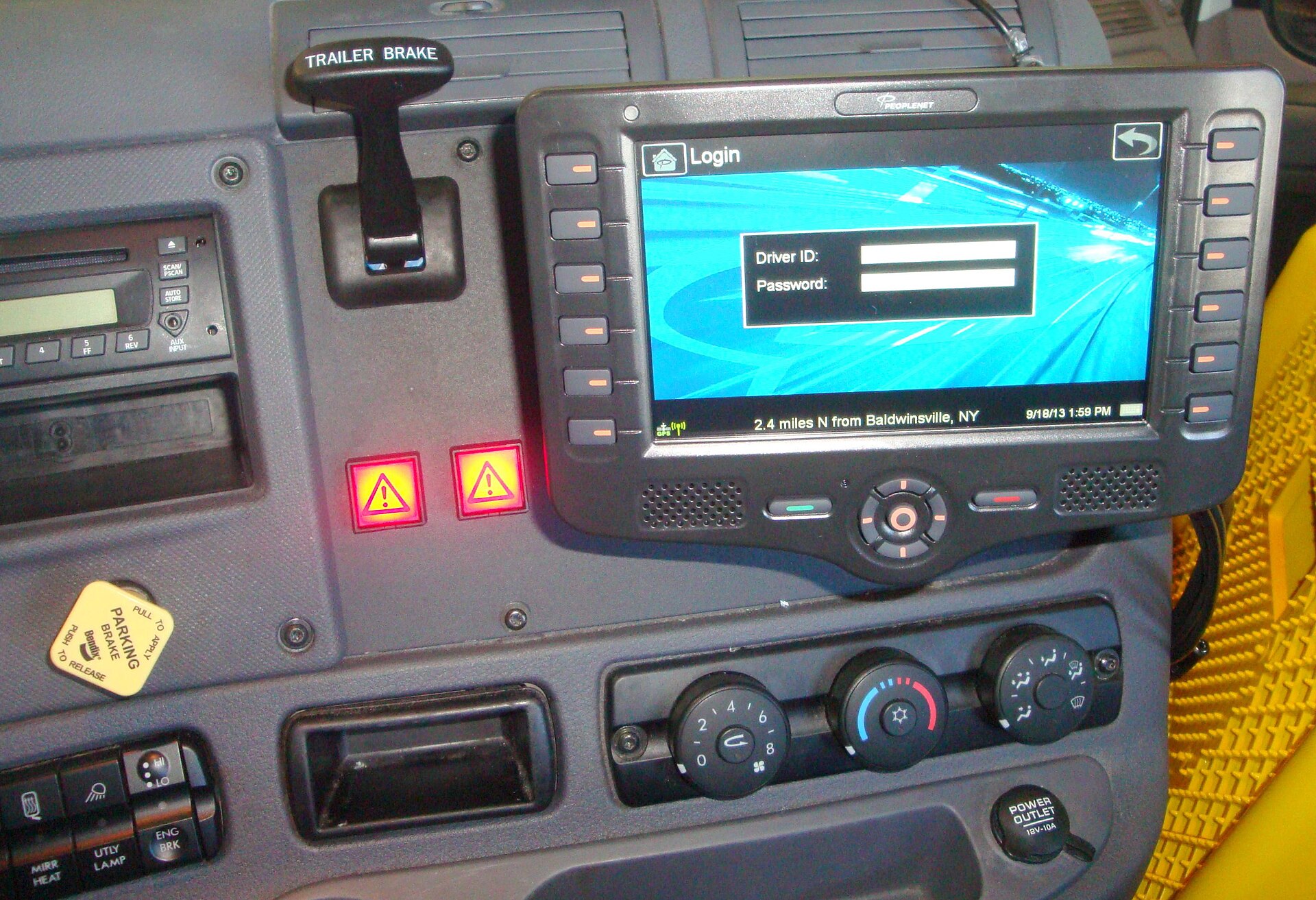
Orientation runs two to three days at a Werner terminal. Drivers complete DOT physical screenings, road evaluations, regulatory compliance briefings, and instruction on Werner's proprietary cab technology systems and workflow apps.
After orientation, the path depends on background. Drivers who hold a CDL through the Military Skills Test Waiver go through an accelerated finishing phase focused on civilian DOT compliance, electronic logging devices (ELDs), sliding tandems, and customer service (not basic vehicle handling).
New entrants and CDL school graduates complete a multi-week on-road mentorship under a certified Werner Driver Leader. They earn a set weekly salary while working on freight handling, winter driving, trip planning, customer communication, and backing maneuvers.
Veterans in the Registered Apprenticeship program get extra administrative support. The military recruiting team coordinates the submission of all Werner and VA paperwork, as well as monthly certifications directly to the VA, so drivers don't manage the process themselves.
Once mentoring is complete, drivers or teams are assigned their permanent truck and route network (Dedicated, 48-state OTR, or Regional).
How Werner addresses common team-driving objections
Hamm said the best way to address resistance to team driving is to walk through what teams get and then take on the common objections.
Misconception: Teams never get any rest while the truck is rolling. Modern tractors are engineered with advanced cab suspension systems, custom premium sleeper mattresses, and noise-dampening insulation to ensure the off-duty driver gets restorative rest.
Misconception: A driver must already have a partner. Many teams are husband-and-wife or military buddies, but that isn't a requirement. Werner's structured Team Matching program pairs drivers based on personality, smoking preferences, route interests, and geographic home-time hubs.
Misconception: Team drivers give up all personal space. Team drivers establish clear shift boundaries, communication norms, and route splits, creating an efficient and predictable work rhythm. For veterans used to defined roles and clear communication, that structure should feel familiar.
Having a co-driver provides a built-in spotter during tight backing maneuvers, a secondary navigator in complex urban corridors, and companionship that helps combat highway fatigue.
What support Werner offers beyond the paycheck
Dedicated fleets (used in specific retail accounts, closed-loop manufacturing, and expedited parcel freight) offer predictable routing, pre-scheduled home time, and stable weekly pay guarantees.
Werner extends Career Currency to family members of drivers and mechanics. Health coverage includes comprehensive medical, dental, and vision after 30 days of active employment, a company-matched 401(k), and on-site medical clinics at major terminal facilities. Werner also offers pet and authorized passenger ride-along programs.
The Operation Freedom Fleet is Werner's flagship military recognition fleet, featuring custom-wrapped, military-tribute Kenworth, Peterbilt, and Freightliner tractors. The trucks are awarded to currently serving or veteran drivers who maintain spotless safety and service records. Selection to drive one honors the driver's service and includes attendance at military installations, industry expos, corporate events, and school outreach events.
Internally, the WEVets associate resource group connects military drivers, shop technicians, office associates, and military spouses nationwide for mentorship, transition support, community engagement, and career development.
What this means for carriers recruiting veterans
Werner's approach points to a broader lesson for fleets weighing how to recruit veterans. The strongest programs treat military experience as a skill set with real operational value, give it credit in pay and account placement, and pair it with a structure that mirrors how service members already work.
Team driving, in Hamm's framing, is one of the places where all of that comes together. Veterans bring discipline, equipment familiarity, and a habit of working as part of a unit. A carrier that builds pathways for those strengths (from apprenticeship to team matching to a dedicated recruiting staff made up of fellow veterans) gives itself a better chance of turning a first job in trucking into a long career.