When Spot Rates Spike: The Four Freight Seasons That Move Your RPM
Produce harvests, construction ramp-ups, retail peaks, and holiday shutdowns create predictable rate swings. Here's when to position equipment and when to bank cash.


Why do spot rates swing 20% or more across the calendar year?
Trucking freight demand follows four seasonal patterns that dictate when spot rates climb and when load boards go quiet. Agricultural harvests, construction seasons, retail peaks, and driver availability all create predictable surges in demand for capacity. Fleet leaders who position equipment ahead of these windows capture higher per-mile rates. Those who miss the timing burn fuel chasing loads in soft lanes.
Different equipment types face different seasonal pressure. Flatbed-dominant carriers track construction trends. Reefer capacity tightens during harvest milestones. Dry van fleets play into every flavor of freight demand, but retail seasons still mark the busiest periods for van capacity. Tightness in one segment spills over: when one trailer type is overwhelmed, shippers turn to other equipment, creating a domino effect across the spot market.
When does produce season tighten reefer lanes?
Agricultural markets drive regional spikes in demand for refrigerated trailers. Each produce harvest creates a large, localized surge in reefer capacity needs, with some dry van and flatbed demand for heavy machinery and maintenance.
In April in Florida, concurrent harvests include blueberries, carrots, peaches, lettuce, spinach, strawberries, cantaloupe, and watermelon. A rush for Mother's Day flowers in May pulls reefer trucks to haul imported flowers out of Florida. Southern regions warm up sooner, so the year's produce seasons begin southward and move north. A Southeast crop's harvest season can begin in Southern Florida in April and move up to Atlanta by June.
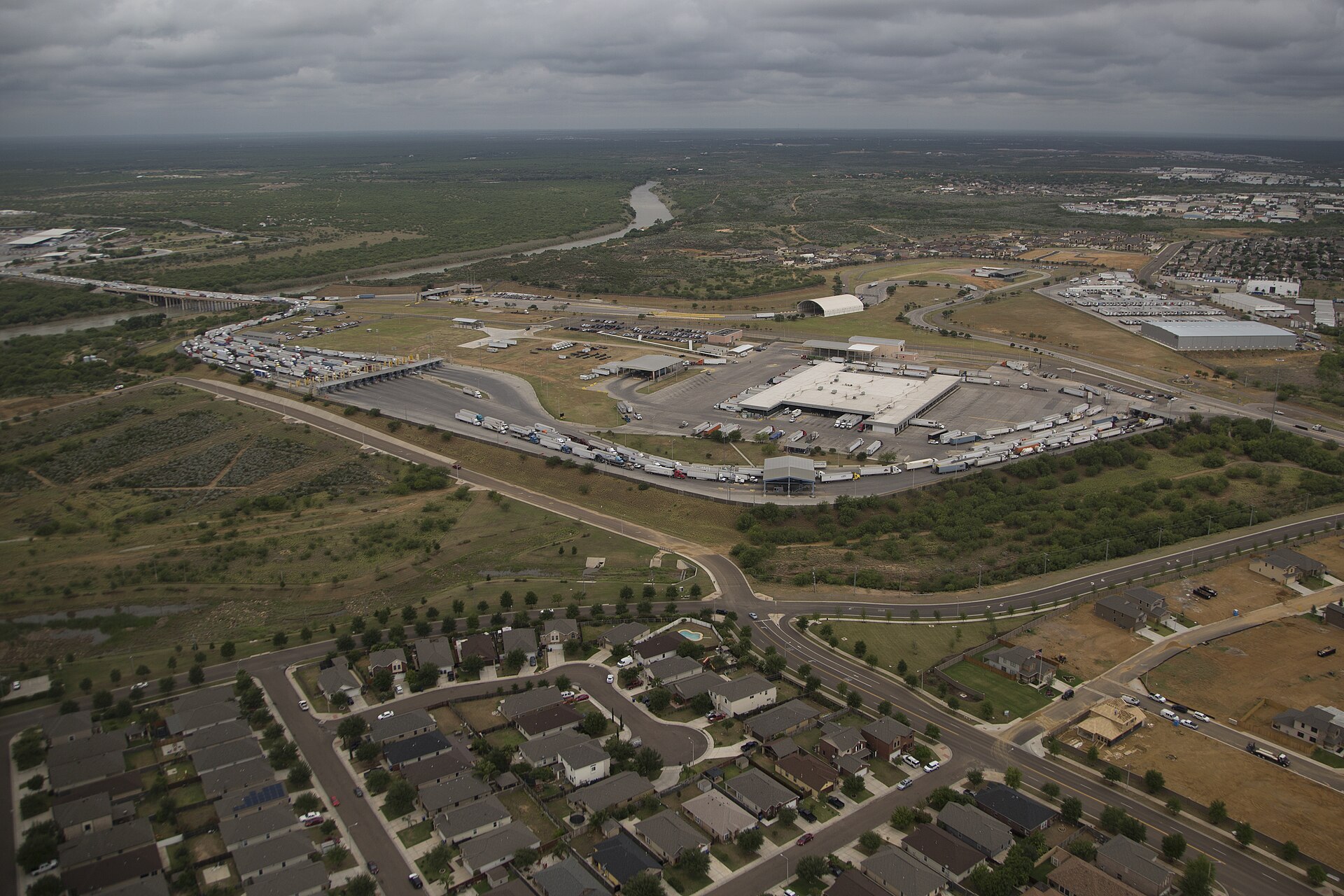
C.H. Robinson's agricultural timing map shows demand spikes in Florida from April through June, along the Southwest border from May to June, and in the Midwest from October to December. For a 10-truck reefer fleet, positioning equipment in Florida by late March captures the April surge. Missing that window means competing for backhaul rates out of the Southeast once the peak passes.
How does construction season affect flatbed rates?
For much of the country, construction is limited to warmer months. When temperatures stay consistently above 40 or 50 degrees Fahrenheit, construction activity ramps up demand for flatbed trailers and some dry van capacity. Construction season requires trucks to bring in raw materials from mines and logging facilities, refined materials from factories and warehouses, and heavy machinery from manufacturers.
In Indiana, construction season runs from April through November. Southern states have more construction-appropriate months than northern states, so seasonal volatility in flatbed demand is stronger in northern regions. A flatbed carrier based in the upper Midwest sees tighter spot markets from May through October, then faces softer demand and lower rates from November through March. Cash reserves built during the construction peak cover overhead and unexpected breakdowns during the winter lull.
What drives the November-December rate spike?
Retailers' demand peaks around a few annual milestones and holidays. Back-to-school season in August, Halloween in October, Black Friday and Cyber Monday in November, and the December holiday shopping rush all tighten lanes from docks and warehouses. During these periods, shippers rush to stock shelves and fulfill online orders. Consumer goods ship primarily through dry van trailers, but other trucking segments are also affected.
The demand spike from November to December is called peak shipping season. Autumnal harvests, sprints to construction closeouts, and the Black Friday holiday shopping frenzy all overlap. Peak season marks the year's greatest strain on for-hire capacity, leading to high utilization and strong spot rates. Carriers use the season as an opportunity to maximize revenue for the year. A 5-truck dry van fleet running hard through Thanksgiving and the first three weeks of December can capture 20% to 30% higher spot rates than the same lanes pay in February.
Why do rates drop in Q1?
Right after peak is the quiet space between most sectors' freight seasons. Late December through Q1 has lower demand, utilization, and rates. The time is an opportunity for carriers to focus on longer, time-intensive tasks like driver training, procedural changes, or technology pilots. Carriers also need to keep cash reserves from peak season for Q1 operational costs, overhead, and unexpected breakdowns.
The beginning of the year is also contract bid season. From January through March, shippers issue requests for proposals to lock in the year's rates with their contracted carriers. A small fleet with one or two dedicated contract lanes uses this window to negotiate annual rates based on the prior year's spot market performance. If spot rates climbed 15% during the previous peak season, contract bids reflect that upward pressure.
When does driver availability tighten capacity?
Drivers paid by the load or mile plan their availability around freight demand. Per-mile drivers are more likely to work through the holiday peak season and then take time off during the Q1 slow season. But several points in a year see for-hire capacity suddenly drop, often leading to higher rates.
Paid holidays reduce capacity despite strong demand. Holiday policies vary wildly between carriers, but Thanksgiving, right in the middle of peak season, is one common time for driver breaks. A fleet running 20 trucks may see five or six drivers take the four-day Thanksgiving weekend off, cutting available capacity by 25% to 30% during one of the year's tightest freight windows. Spot rates on the Carrier Atlas load board often jump 10% to 15% in the week before Thanksgiving as shippers scramble to cover loads with reduced driver availability.
What a 10-truck fleet does with this calendar
A dry van carrier running 10 trucks uses these seasonal patterns to manage cash flow and position equipment. The fleet banks cash from November and December peak rates to cover January and February overhead when spot rates drop. In March, the fleet bids on contract lanes using the prior year's peak-season spot performance as leverage. In April, the fleet watches for early produce surges in the Southeast and positions one or two trucks in Florida if reefer cross-deck opportunities appear. From May through October, the fleet runs steady contract freight with occasional spot loads to fill gaps. In late October, the fleet prepares for peak season by deferring maintenance to early November and lining up extra drivers willing to work Thanksgiving week.
Fleet leaders who ignore these seasons chase loads in soft markets and miss the rate spikes that fund the rest of the year. Those who position equipment ahead of harvest windows, construction ramp-ups, and retail peaks capture the per-mile rates that separate profitable fleets from those running on fumes by February.