BNSF Southern Transcon Closure Cost Intermodal 14.8% in One Week
Record New Mexico flooding shut the busiest U.S. rail line for 60 hours, reversing BNSF's intermodal growth from 14% to negative 0.4% while Union Pacific posted 17% gains on unaffected routes.

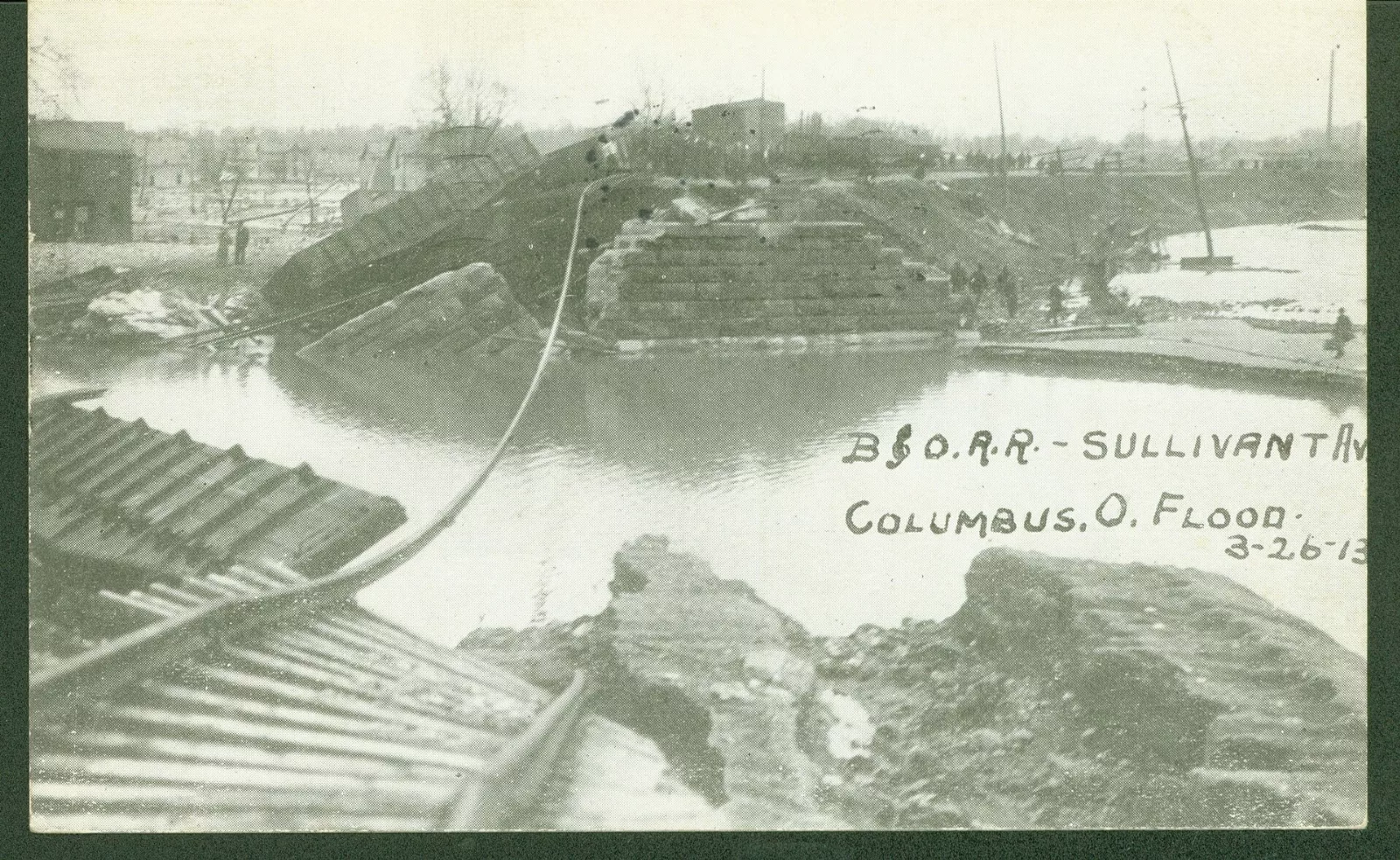
BNSF's Southern Transcon, the highest-volume intermodal corridor in North America, was shut down for roughly 60 hours in late October after Laguna, New Mexico received 8 inches of rain over three days against an annual average of 10 inches. The closure reversed BNSF's intermodal volume from a 14% year-over-year gain the prior week to a 0.4% decline in week 43, a 14.8-percentage-point swing that illustrates the operational fragility of single-corridor dependence for fleets running intermodal.
How long was the Southern Transcon actually down?
The line closed Saturday, October 24, and reopened Tuesday, October 28. BNSF would have restored service in 24 to 30 hours, but a second wave of heavy rain during the recovery extended the outage to 60 hours. During that window, BNSF could neither move loaded containers east from the ports of Los Angeles and Long Beach nor reposition empty railcars west, compounding container dwell times at both terminals. Fleets that had committed intermodal capacity on the Southern Transcon faced a choice: wait out the closure and absorb the delay, or divert to truckload at spot rates that have climbed 50% year over year in recent months.
Union Pacific, which operates western intermodal routes unaffected by the New Mexico flooding, posted a 17% intermodal gain for the same week. The divergence between UP's 17% and BNSF's negative 0.4% isolates the Southern Transcon closure as the primary driver of the week's intermodal underperformance relative to the prior 10% growth trend.
What happened to CSX during the same week?
A technology outage paralyzed CSX operations for nearly 30 hours beginning October 27. The railroad could not call crews, issue train or work orders, or exchange data with other Class 1 railroads, cutting off interchange traffic entirely. RailState, which monitors rail movements through trackside sensors, recorded a 46% drop in CSX train counts during the outage before a sharp rebound once systems were restored October 28.
For fleets running eastern intermodal through CSX, the outage meant a hard stop on container movements for more than a day. The timing compounded the Southern Transcon disruption, hitting both coasts simultaneously and leaving intermodal-dependent fleets with no rail alternative for long-haul freight during a 30-hour window.
What do the Q3 earnings say about fuel surcharges?
Third-quarter results across the Class 1 railroads showed fuel surcharges driving a significant share of revenue growth. At Norfolk Southern, fuel surcharges accounted for 8 percentage points of a 14% revenue increase. Union Pacific's revenue rose 6% excluding fuel surcharges but climbed 15% when surcharges were included. For fleets evaluating intermodal savings versus truckload, the fuel-surcharge component of rail pricing has narrowed the gap as diesel prices remain elevated.
Union Pacific posted an operating ratio of 59.1, below the 60 threshold that signals efficient operations. CSX came in at 60.9. Canadian National was flat on volume, partly due to deliberate demarketing of lower-margin international intermodal traffic and production disruptions at Canadian coal mines.
What moved in week 43 outside intermodal?
Overall U.S. rail volume rose 3.5% year over year in week 43. Chemicals and petroleum climbed 6.6%, driven by a 7.9% increase in chemical shipments. Motor vehicles and parts were up 9%. Coal was flat. Agricultural and food products slipped 2%, pulled down by an 8.3% decline in grain shipments.
The mixed carload performance underscores the intermodal sector's outsized role in recent rail growth. When intermodal volume jumped 10.4% in week 40, the gain reflected high diesel prices and tight trucking capacity pushing long-haul freight to rail. The week 43 disruptions reversed that trend temporarily, but the underlying cost advantage for intermodal on lanes longer than 800 miles remains intact as long as diesel stays above $3.50 per gallon and truckload contract rates hold near $2.72 per mile.
What this means for intermodal-dependent fleets
The Southern Transcon closure and CSX outage exposed the risk profile of intermodal commitments when single-corridor failures eliminate routing alternatives. Fleets that had locked in intermodal capacity to capture the 30%-plus cost advantage over truckload on eastern lanes faced unplanned delays and potential spot-market diversions during the 60-hour BNSF closure and 30-hour CSX outage.
For small fleets and owner-operators evaluating intermodal as a hedge against high diesel costs, the week 43 disruptions are a reminder that rail service reliability depends on infrastructure resilience to weather events and technology stability. BNSF's 60-hour closure was driven by rainfall totals that will become more common as climate patterns shift. CSX's 30-hour technology outage was resolved quickly, but the inability to exchange data with other railroads during the failure left no fallback for interchange traffic.
Fleets running time-sensitive freight should model intermodal transit times with a 48-to-72-hour buffer for single-corridor failures when evaluating cost savings against truckload alternatives. The fuel-surcharge component of rail pricing, which added 8 to 9 percentage points to revenue growth at Norfolk Southern and Union Pacific in Q3, will continue to track diesel prices and narrow the intermodal cost advantage if fuel costs moderate in 2027.