Hormuz Oil Flows Down 6 Million Barrels a Day, Diesel Watch Begins
Strait of Hormuz crude and fuel flows fell nearly 30% in Q1, the Energy Information Administration reports. Small fleets face diesel price exposure if the drop holds.


How much did Hormuz oil flows drop in Q1?
Flows of crude oil and fuels through the Strait of Hormuz fell by nearly 6 million barrels per day in the first quarter of 2026, according to the Energy Information Administration. The drop represents a nearly 30% decline in flows through the chokepoint that handles roughly one-fifth of global petroleum liquids.
The EIA characterized the decline as "the start of a seismic energy shock." The strait connects Persian Gulf producers, Saudi Arabia, Iraq, the United Arab Emirates, Kuwait, to Asian and European refiners. Disruptions there historically translate to crude price spikes within weeks and diesel price increases within a month.
Why this matters for diesel pricing
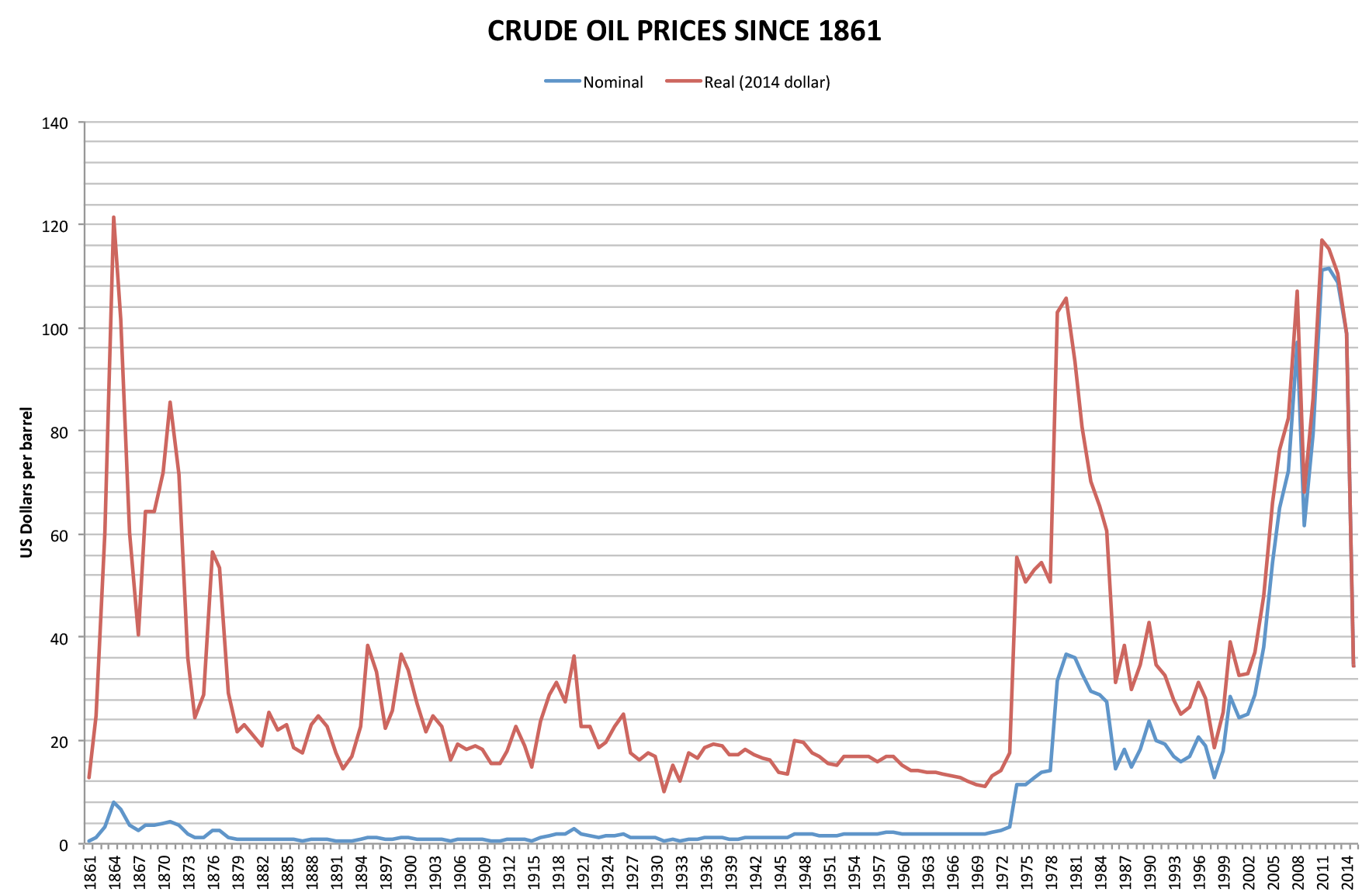
Diesel prices lag crude by four to six weeks. A 6-million-barrel-per-day supply shock of this scale has no recent precedent outside wartime embargo scenarios. The last comparable event, the 1979 Iranian Revolution, cut global oil supply by roughly 5.6 million barrels per day and sent US diesel prices up 60% over six months.
Small fleets running on spot freight already operate on margins thin enough that a 40-cent-per-gallon diesel move erases profit on many loads. A 10-truck fleet burning 1,500 gallons per truck per week pays an additional $6,000 weekly for every 40-cent increase. Over a quarter, that's $78,000 in added fuel cost with no guaranteed rate recovery if contract lanes stay flat.
Fuel surcharges tied to the Department of Energy's weekly retail diesel index will adjust, but the lag between pump price movement and surcharge updates leaves carriers exposed for one to two weeks. Owner-operators without fuel surcharge clauses in their contracts absorb the full hit.
What happens if the drop persists
The EIA did not specify the cause of the Q1 decline: whether geopolitical disruption, production cuts, or demand destruction. The agency's characterization as a "seismic energy shock" suggests the drop was involuntary rather than a coordinated OPEC production taper.
If flows remain 30% below prior levels into Q2, refiners will draw down inventories and bid up available crude. US diesel inventories stood at 113 million barrels as of late April, roughly 8% below the five-year average for that week. A sustained crude supply shock would pressure those stocks further.
Carriers with fuel hedges or fixed fuel surcharge floors have some insulation. Most small fleets do not hedge and rely on the DOE index-based surcharge, which resets weekly but does not cover the gap between contract rate and actual pump cost when diesel moves faster than the index.
The timing problem for contract freight
Contract rates negotiated in Q4 2025 and Q1 2026 priced in diesel at $3.40 to $3.60 per gallon, depending on region. If the Hormuz disruption pushes diesel to $4.20 or higher, a plausible outcome given the scale of the supply drop, fuel surcharges will adjust, but the base linehaul rate will not. Carriers locked into annual contracts cannot renegotiate mid-term without risking the relationship.
Spot rates will adjust faster. Brokers and shippers tendering spot loads in a high-diesel environment will see carriers decline loads that do not cover fuel. That dynamic typically takes two to three weeks to show up in posted spot rates, long enough for small fleets to burn through cash reserves if they accept underpriced loads in the interim.
What small fleets should watch
Three indicators will clarify whether the Q1 drop translates to a sustained diesel price move:
- DOE weekly diesel survey: published every Monday. A two-week trend of 15-cent-per-gallon weekly increases signals the shock is hitting retail.
- Brent crude spot price: the global benchmark. Brent above $95 per barrel for more than a week historically precedes US diesel moving above $4.00.
- EIA weekly petroleum status report: tracks US diesel inventories. Draws of 3 million barrels or more per week indicate refiners cannot keep pace with demand at current crude input costs.
Carriers can verify a shipper's or broker's operating authority and payment history before committing trucks to contract lanes that may underprice fuel risk if diesel climbs further. Spot freight offers faster rate adjustment but higher rejection risk when fuel moves quickly.
The bill for a 10-truck fleet if diesel hits $4.50
A 10-truck fleet averaging 1,500 gallons per truck per week at $3.50 per gallon pays $52,500 weekly for fuel. At $4.50 per gallon, that same consumption costs $67,500 weekly: a $15,000 weekly increase, or $195,000 over a 13-week quarter.
Fuel surcharges recover some of that cost, but not all. The DOE index-based surcharge typically covers 70% to 85% of the fuel cost delta, leaving the carrier to absorb the remainder. On a $15,000 weekly increase, that's $2,250 to $4,500 per week in unrecovered fuel cost: $29,250 to $58,500 over the quarter.
Fleets with cash reserves below $100,000 and no credit line will face a liquidity crunch if diesel sustains above $4.25 and contract rates do not adjust. The Q1 Hormuz drop, if it persists, puts that scenario in play.