How much fuel does a diesel APU save versus tractor idling?
Thermo King's third-generation TriPac diesel APU consumes 75% less fuel per hour than an idling Class 8 engine, cutting up to 2,500 gallons annually per truck.

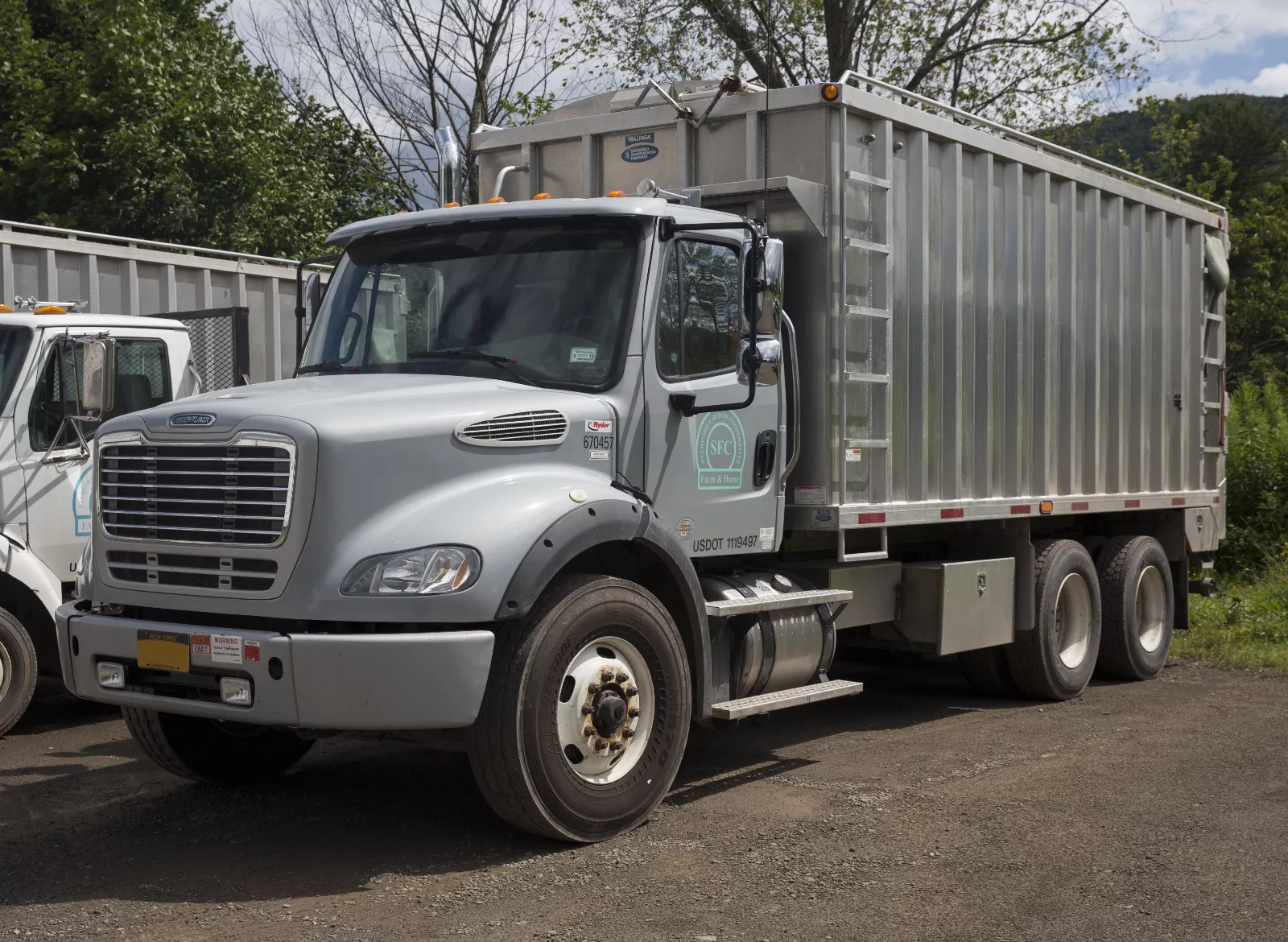
A Class 8 tractor engine burns roughly one gallon of diesel per hour at idle. Over a year of typical sleeper-cab operation, that adds up to thousands of gallons wasted while parked. Thermo King's third-generation TriPac diesel APU cuts that consumption by 75%, saving fleets as much as 2,500 gallons per truck annually.
The unit runs an EPA Tier 4 compliant two-cylinder diesel engine that powers a QP15HD compressor delivering 13,000 BTU/hr of cooling capacity. A standard 7,500 BTU/hr fuel-fired heater handles winter cab heat, with a 13,600 BTU/hr high-output version available for extreme cold. A 120-amp alternator charges truck batteries and runs in-cab electronics. The entire assembly is built with serviceable components and streamlined wire harnesses to simplify shop maintenance.
What does idling cost beyond fuel?
Engine hours accumulate whether the truck is moving freight or sitting at a rest stop. Every hour spent idling accelerates wear on pistons, rings, and bearings. Oil-change intervals arrive sooner. Modern exhaust aftertreatment systems, designed for highway load, suffer under prolonged low-load operation. Diesel particulate filters clog faster. Selective catalytic reduction systems see incomplete regeneration cycles. The result is more frequent filter replacements, extended downtime for forced regens, and earlier overhauls.
An engine that spends significant time idling also loses resale value. Buyers scrutinize total engine hours, and high idle time signals deferred wear that will hit the next owner's maintenance budget.
Which states restrict tractor idling?
More than 30 U.S. states enforce anti-idling laws, most capping engine runtime at three to five minutes when parked. Penalties vary by jurisdiction but can reach hundreds of dollars per violation. California Air Resources Board (CARB) rules are among the strictest: any truck built after 2007 with a diesel APU must either mount an approved diesel particulate filter on the unit or route its exhaust into the vehicle's aftertreatment system.
The standard third-generation TriPac meets EPA Tier 4 requirements and is legal in 49 states. A factory-installed aftertreatment device (ATD) option brings the unit into CARB compliance for fleets running California routes. That eliminates the need to track which trucks can cross which state lines.
What power does the all-electric TriPac Envidia deliver?
Thermo King's second-generation TriPac Envidia runs on a proprietary NXT dry-cell battery bank. The system delivers 8,000 BTU/hr of air conditioning with no engine noise. For winter operation, optional fuel-fired heaters are available in 7,500 BTU/hr and 13,600 BTU/hr configurations.
The Envidia meets nationwide anti-idle and zero-emission regulations, including current CARB requirements. Battery-based APUs have historically struggled with runtime and power capacity when drivers run microwaves, CPAP machines, air fryers, and gaming consoles during rest periods. Thermo King claims the NXT battery architecture addresses those limitations with higher efficiency and longer lifecycle than conventional batteries, though the company did not publish cycle-life data or warranty terms in the available material.
How does TracKing telematics support APU maintenance?
The third-generation TriPac is available with TracKing telematics, providing two-way real-time visibility into APU performance. The system logs run hours, tracks fuel consumption for IFTA reporting, and sends alarm notifications when faults occur. Fleet managers can schedule service based on actual runtime rather than calendar intervals.
TracKing includes an API for integration with existing fleet-management software. Over-the-air software updates push to the APU without requiring a shop visit. The telematics package also monitors cabin temperature, allowing dispatchers to verify driver comfort remotely and troubleshoot HVAC complaints before the truck returns to the terminal.
What does driver comfort cost in retention?
Continuous noise and vibration from an idling engine degrade sleep quality. Fatigue follows. A driver who cannot rest properly at a truck stop arrives at the next pickup less alert. The constant drone also creates friction at crowded rest areas, where one idling tractor affects dozens of parked drivers.
APUs eliminate that noise. The third-generation TriPac diesel unit runs quieter than an idling Class 8 engine. The all-electric Envidia produces less noise than any engine-based APU on the market. Both allow drivers to run climate control, charge devices, and operate appliances without waking the entire lot.
Fleets that provide quiet, comfortable sleeper environments report better driver retention. The cost of replacing a driver, between recruiting, onboarding, and lost productivity during the learning curve, typically exceeds $8,000 per turnover event. An APU that keeps a driver in the seat pays for itself faster than one that saves fuel alone.
What's the payback period on a diesel APU?
At 2,500 gallons saved per year and a diesel price of $3.50 per gallon, the TriPac diesel APU returns $8,750 annually in fuel cost alone. That figure excludes avoided maintenance on the tractor engine, extended engine life, higher resale value, and eliminated idling fines. Thermo King did not publish MSRP or installation cost in the available material, so fleet-specific payback will depend on negotiated pricing and local labor rates.
The unit's 120-amp alternator and robust two-cylinder engine are built for serviceability. Streamlined wire harnesses and connectors reduce diagnostic time. Parts availability and warranty terms were not detailed in the source.
What about high-demand in-cab appliances?
Drivers now routinely run air fryers, coffee makers, gaming systems, and CPAP machines during rest periods. Older APUs lacked the electrical capacity to handle that load, forcing drivers to fire up the tractor engine intermittently. Thermo King claims the third-generation TriPac and second-generation Envidia are engineered to meet modern power demands, though the company did not publish a maximum continuous wattage rating or specify which appliance combinations the units can support simultaneously.
Fleets considering APU purchases should request load-capacity specs and compare them against the actual devices their drivers carry. A unit that cannot power a microwave and air conditioner at the same time will still force occasional engine starts, eroding the fuel-savings case.
What changes for a small fleet?
A five-truck fleet burning 2,500 gallons per truck per year in idle fuel spends $43,750 annually at $3.50 per gallon. Installing diesel APUs across the fleet cuts that to roughly $10,940, a $32,810 annual savings before accounting for reduced engine wear or avoided fines. The investment also simplifies compliance, a meaningful benefit for owner-operators and small fleets that lack dedicated regulatory staff to track state-by-state idling rules.
For fleets running California, the factory CARB-compliant TriPac option eliminates the risk of a $1,000 citation at a Donner Pass inspection. For fleets prioritizing zero-emission operation or driver retention, the all-electric Envidia offers a quieter cab at the cost of reduced cooling capacity and reliance on battery lifecycle claims that have yet to be validated in long-term field use.