Port Truckers Hit Cargo Fluidity Snags as October Imports Set Record
Container volumes surged in October, but drayage fleets couldn't capitalize: cargo fluidity issues kept boxes from moving.


Why couldn't port truckers move all the October cargo?
U.S. port truckers faced cargo fluidity problems in October that prevented them from fully capitalizing on a record surge in container imports. The volume was there. The ability to move it wasn't.
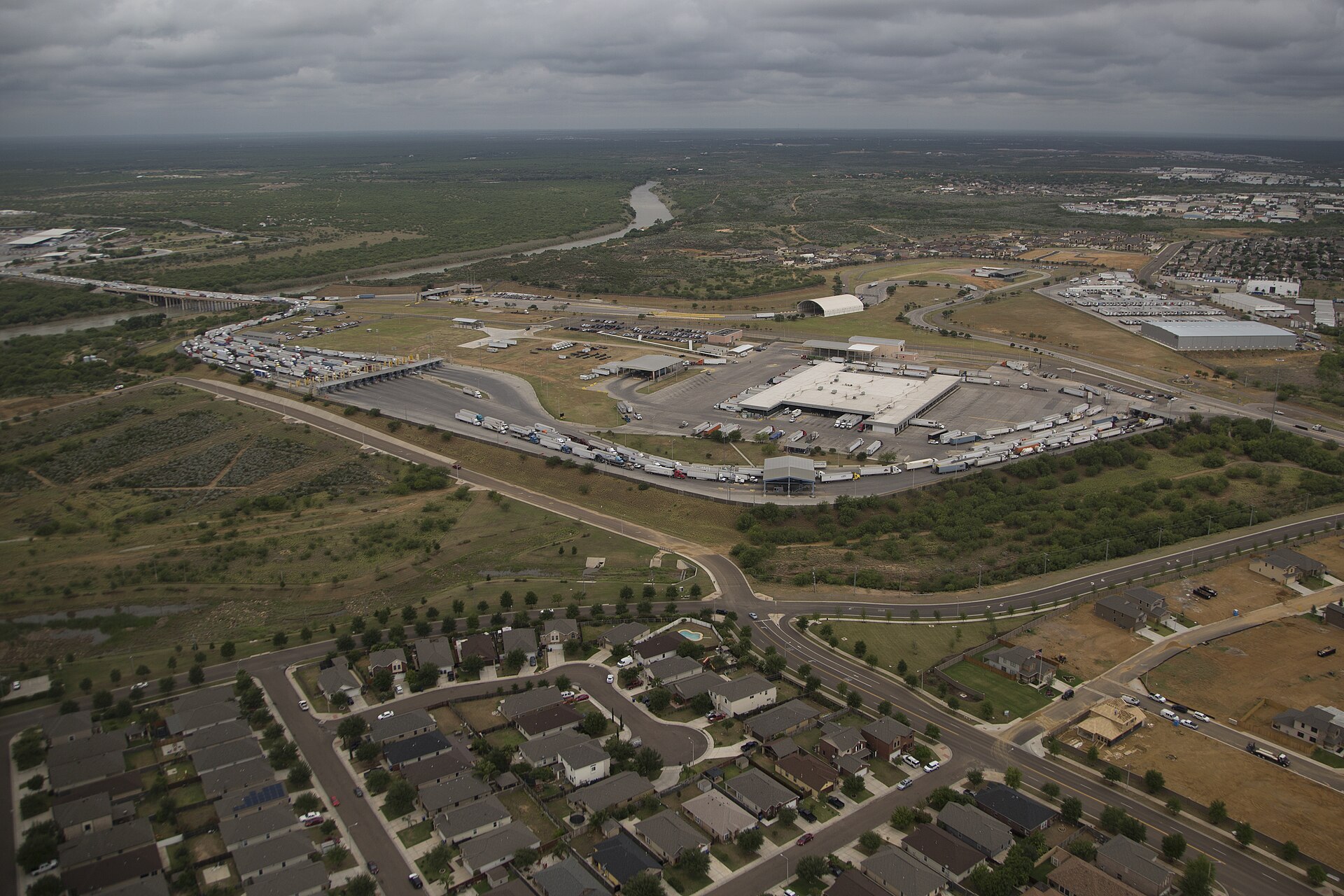
Cargo fluidity refers to how quickly containers move from vessel to chassis to street. When fluidity breaks down, boxes sit on terminal, appointments get delayed, and drayage fleets burn hours waiting for gates to open or for a chassis pool to clear. October's import record should have meant more loads and tighter capacity for port truckers. Instead, operational snags at terminals kept many fleets from turning the volume into revenue.
The mismatch hits hardest for small drayage operators running five to ten trucks. A 20-truck fleet can absorb a few wasted gate hours. A three-truck owner-operator running the Ports of Los Angeles and Long Beach cannot. When fluidity slows, per-turn revenue drops even as gross import volume climbs.
What caused the fluidity breakdown
The sources do not specify which terminals or which operational failures caused the October slowdown. Fluidity problems at U.S. ports typically stem from chassis shortages, terminal congestion, labor constraints, or appointment system backlogs. Any of those can turn a volume surge into a capacity trap for drayage carriers.
October's record import volumes likely overwhelmed terminal infrastructure that was already running near capacity. Port cargo volumes showed uneven strength in July 2026, tightening capacity and creating volatility for drayage fleets. The pattern has repeated: volume spikes, terminals slow, and the carriers who depend on high turn counts lose days.
For a drayage fleet, fluidity is revenue. A truck that completes four turns in a day at $150 per move grosses $600. A truck that completes two turns because of gate delays grosses $300. The import record doesn't change the math.
How this affects small drayage fleets
Small port truckers operate on thin per-move margins. Drayage rates have climbed in some markets as overall truckload capacity tightened, but those gains evaporate when operational delays cut turn counts in half. A fleet running ten trucks out of the Port of Savannah or the Port of New York and New Jersey cannot afford to lose two turns per truck per day for a week.
The October fluidity breakdown also signals risk for the fourth quarter. Import volumes typically remain elevated through November as retailers stock for the holiday season. If terminal operations do not improve, drayage fleets will face the same trap in November and December: high volume, low throughput, and revenue that doesn't match the container count.
Owner-operators who rely on port work should track terminal turn times and appointment availability closely. When fluidity problems persist, shifting to non-port lanes or regional work may be the only way to maintain revenue. The cargo is there. The ability to move it is not guaranteed.