Spot Rates Up 10% While Accepted Tenders Fall 3% in Rare Disconnect
Dry van spot rates climbed to $3.53/mile even as contracted freight volume dropped below its 12-month average. Diesel costs and tight capacity explain the split.


Why are spot rates rising while freight volume falls?
Dry van spot rates hit $3.53 per mile in early October, up more than 10% from their late-August low and roughly 50% higher than a year ago. At the same time, the volume of contracted loads carriers actually accepted fell nearly 3% over the past week to 9,574, below the 12-month average of 9,872. That combination is rare outside major holidays.
The divergence matters because spot rates and accepted tenders usually move together. When carriers accept fewer loads, it typically signals softening demand, and spot rates fall. This time they rose.
Tender rejection rates dropped from 14.6% on September 19 to 13.78% on October 1. When both accepted tenders and rejections fall together, demand is usually easing. Spot rates normally follow down. They didn't.
Timing gaps don't explain the full month
Tenders are typically placed three to four days ahead of pickup. Spot loads average less than two days of lead time. That timing gap can create short-term disconnects between contracted tenders and spot rates, with tenders moving ahead of spot. But timing gaps usually wash out within a few days. This divergence between spot rates and rejection rates lasted most of September.
Another possibility is that rejection rates haven't eased enough to pull spot rates down. At 13.8%, rejection rates remain high enough to keep most shippers uncomfortable. But that explanation doesn't hold up against the summer, when spot rates and rejection rates moved closely together.
Diesel costs strain carrier cash flow before revenue catches up
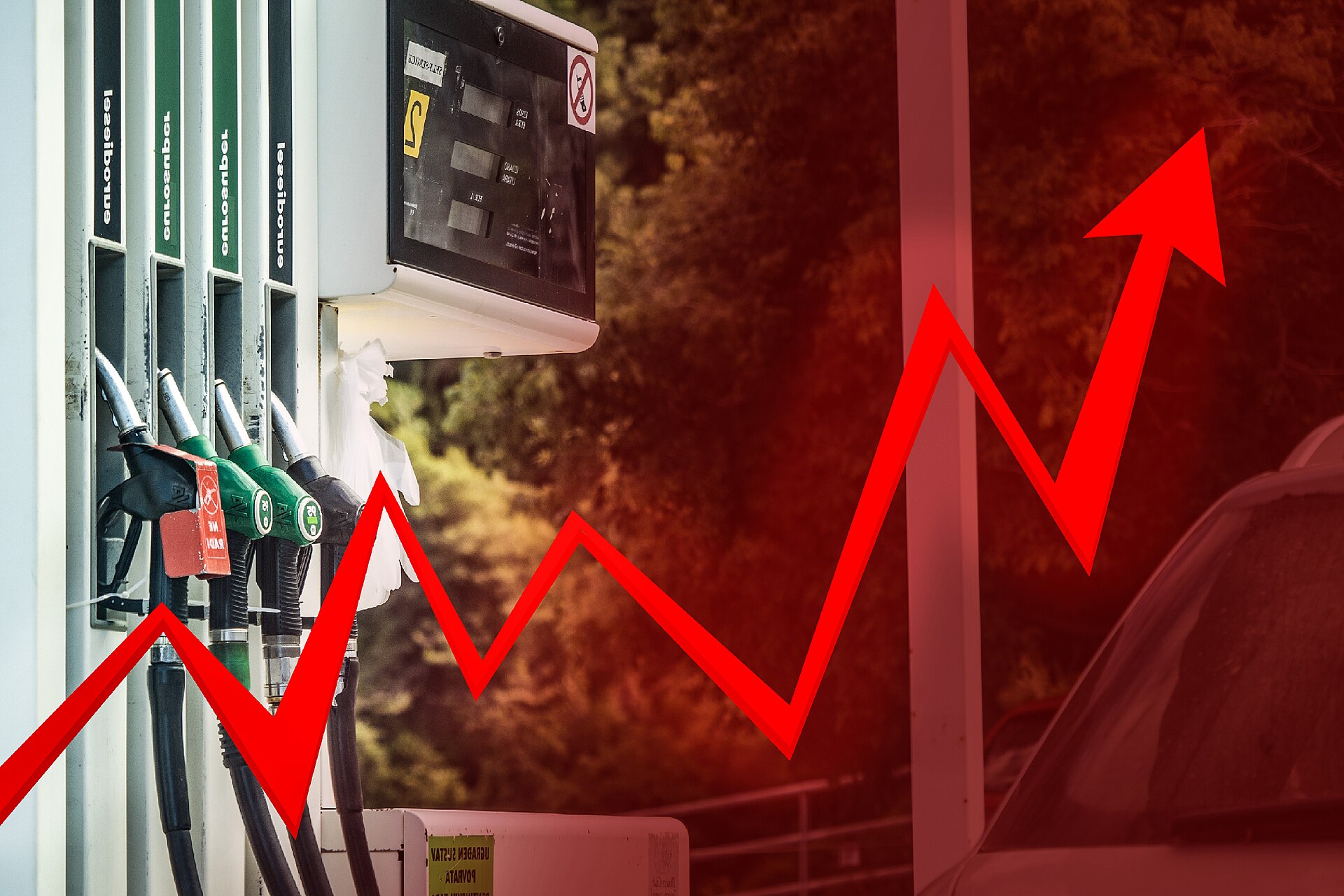
Fuel prices climbed sharply through September. That strains carrier cash flow because expenses rise before revenue catches up. Many carriers aren't paid until after delivery. Some wait days or weeks after that. In the meantime, rising costs eat into available cash.
Fuel prices aren't always closely tied to spot rates. Whether capacity is loose or tight outweighs nearly every change in operating costs. Rates rose in June while retail fuel prices fell, then fell in July while fuel costs rose. But when fuel prices climb sharply, spot rates react with a noticeable lag. Carriers can't see future fuel prices any better than anyone else can.
Even as demand slips, the market is still tight enough for carriers to pass fuel cost inflation through to shippers. That doesn't necessarily mean the market is getting tighter. It means operating costs are rising and the existing market conditions allow rates to rise.
What this means for a 5-truck fleet
If you're running spot freight, the 10% rate climb from late August puts more dollars per load on your settlement. A 500-mile run that paid $1,085 in August now pays closer to $1,195. But the drop in accepted tenders signals that contracted freight is softening, which could push more loads to the spot market and eventually pressure rates back down.
The fuel cost lag is the operational risk. If diesel keeps climbing and spot rates don't keep pace, your margin shrinks before you can adjust. Carriers paid weeks after delivery are financing the fuel cost increase out of working capital. If you're running tight on cash, a digital carrier-packet workflow that speeds up broker onboarding can shorten the time between hauling a load and getting paid.
Rejection rates at 13.8% are still elevated, which means capacity is tight enough to support current spot rates. But if accepted tenders keep falling and rejections keep easing, the fuel-driven rate bump won't hold. Watch both numbers. When rejections drop below 12%, spot rates typically follow.