Brent Crude Jumps to $96.95 After 9% Midterm Selloff
Oil recovered 2.5% Thursday as traders unwound the prior day's political reaction. Small fleets still paying 50% more for diesel than before the Iran war.

Why did oil prices jump back after the midterms?
Brent crude rose 2.5% to $96.95 a barrel on Thursday, clawing back a portion of the nearly 9% drop that followed midterm election results the day before. The international benchmark's recovery suggests traders are unwinding a short-lived political reaction and returning to the supply fundamentals that have kept diesel prices elevated since spring.
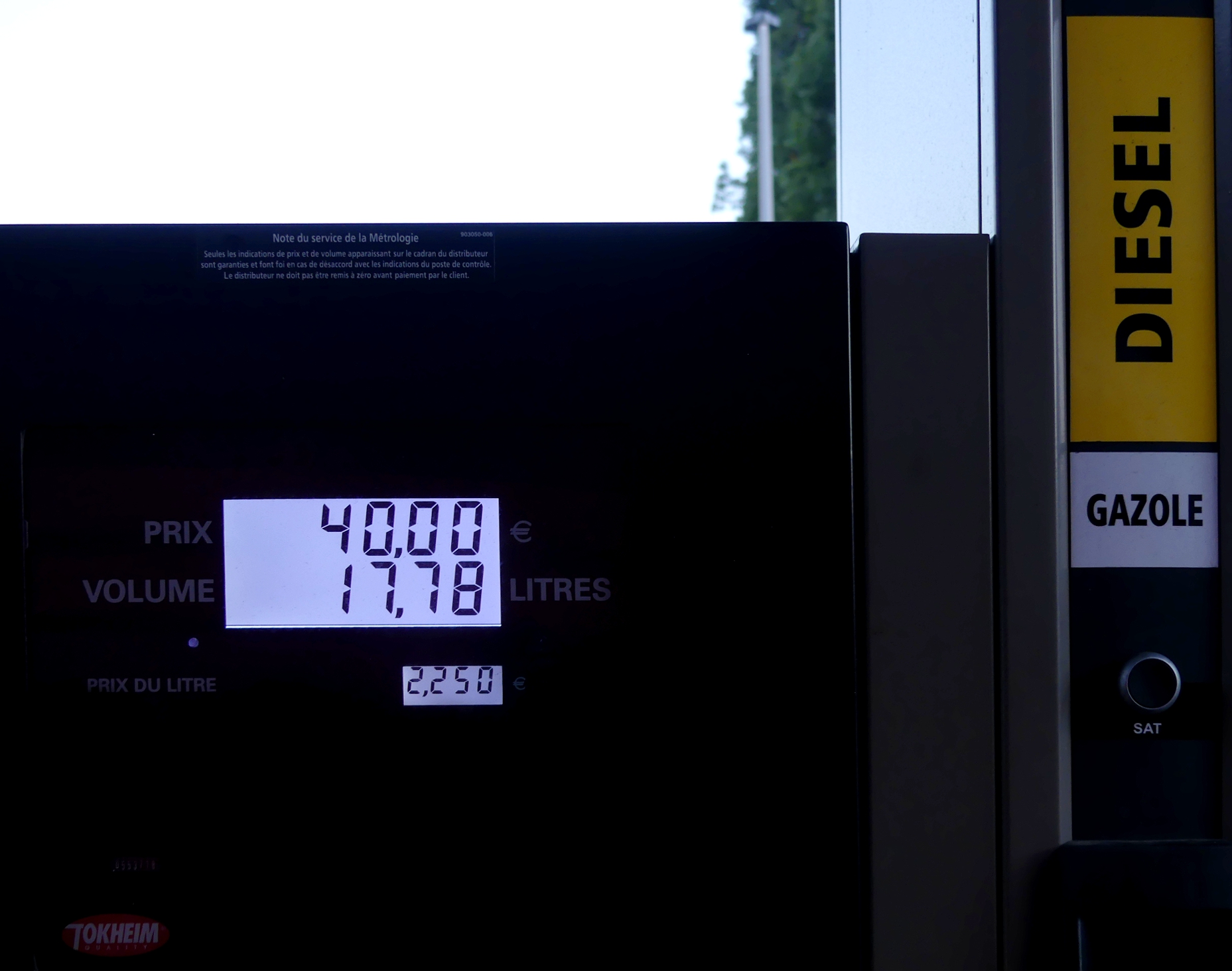
The single-day swing matters for small fleets because oil price volatility translates directly to fuel cost uncertainty. A $96.95 Brent price keeps diesel in the $4.40-to-$4.60 range at the pump in most markets, roughly 50% higher than pre-war levels. That spread costs a five-truck fleet running 500 miles per day an extra $1,100 to $1,400 per week compared to February fuel budgets.
The Wednesday selloff appeared tied to initial market interpretation of election outcomes, though the source material does not specify which party's performance drove the move. Oil markets frequently overreact to political events before reverting to supply-and-demand fundamentals within 24 to 48 hours. Thursday's 2.5% bounce fits that pattern.
What the bounce means for fuel budgets
Brent's return above $96 keeps upward pressure on U.S. diesel wholesale prices, which lag crude moves by three to five days in most regional markets. Fleets that locked in fuel hedges or surcharge agreements pegged to a lower Brent baseline are seeing those protections erode as the benchmark holds near $97.
The recovery also signals that the factors keeping oil elevated since April have not changed. Global supply remains constrained by production cuts and geopolitical disruption. Demand from freight, agriculture, and construction has stayed firm enough to support prices in the mid-$90s even as broader economic indicators show mixed signals.
For owner-operators negotiating fuel surcharges this week, the Thursday move is a reminder that oil's floor appears to be in the low $90s, not the low $80s where some brokers were pricing contracts in early October. Fuel prices top carriers' worry list for the first time since 2014, according to industry surveys, and the Brent chart explains why. A barrel that bounces 2.5% in a day after a 9% drop is not a barrel trending toward relief.
The cost for a 10-truck fleet
A fleet running ten trucks at 120,000 miles per week and 6.5 MPG burns roughly 18,460 gallons. At $4.50 per gallon, that is $83,000 in weekly fuel spend. The same operation paid $55,000 per week in February when diesel averaged $3.00. The $28,000 weekly difference, $1.45 million annualized, is the hidden tax of a Brent crude price that refuses to break below $90 for more than a few hours at a time.
Thursday's bounce keeps that tax in place. Until Brent falls into the $80s and stays there for a full week, small fleets should budget fuel as if $4.40-plus diesel is the new normal through year-end.