CBP Seizes $634K Cocaine Hidden in Tractor at Texas Border Crossing
U.S. Customs and Border Protection officers found 47.48 pounds of suspected cocaine concealed inside a commercial tractor at Pharr International Bridge on Aug. 7. The agency used nonintrusive inspection equipment to detect anomalies in the tractor itself, not the freight.

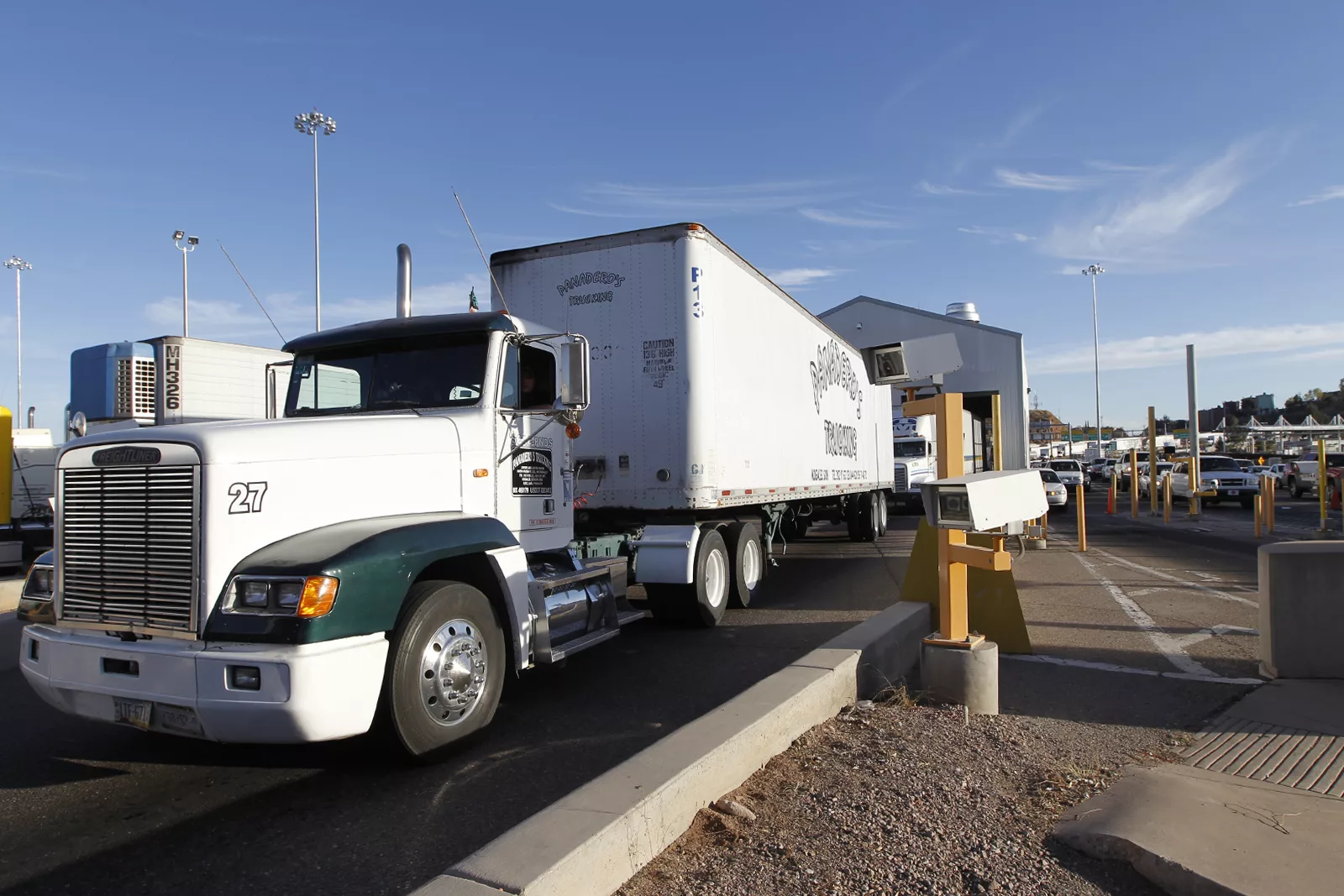
U.S. Customs and Border Protection (CBP) officers seized $634,000 worth of suspected cocaine concealed inside a commercial tractor at Pharr International Bridge in Texas on Aug. 7, 2026.
The tractor-trailer arrived from Reynosa, Mexico. Officers sent the vehicle to secondary inspection after its initial encounter at the cargo facility. CBP used nonintrusive inspection equipment during the secondary examination. That technology detected anomalies within the tractor rather than its freight. Officers then conducted a physical search and extracted 18 packages weighing a combined 47.48 pounds (21.54 kilograms).
What happens to a carrier when CBP finds narcotics in their equipment?
CBP's Office of Field Operations seized both the cocaine and the vehicle following the discovery. Homeland Security Investigations (HSI) special agents opened a criminal investigation into the case. CBP did not identify anyone connected with the tractor-trailer in its Aug. 16 announcement. The agency also withheld the motor carrier's identity and information about the driver.
Authorities have not announced arrests or criminal charges tied to the seizure. CBP did not disclose what commodity the tractor-trailer carried during the Aug. 7 crossing. Officials provided no details explaining where investigators believe the cocaine originated beyond the vehicle's arrival from Reynosa.
Why secondary inspections target the tractor, not just the trailer
Commercial trucks remain targets for narcotics smuggling because legitimate cross-border freight provides criminals access to established transportation lanes. Concealment inside a tractor creates risk beyond the commodity moving inside its trailer. A driver hauling legal freight can unknowingly transport contraband hidden in the cab, sleeper berth, fuel tanks, or frame rails.
Federal officers routinely use inspection technology to examine commercial vehicles for concealed contraband at the Pharr International Bridge. The cargo facility handles tractor-trailers entering from Reynosa and other manufacturing centers across the border. Secondary examinations can include additional screening when equipment or other indicators identify possible concerns.
"Our CBP officers continue to successfully use their skills and expertise to intercept another load of hard narcotics," Port Director Carlos Rodriguez said.
What cross-border carriers need to know
Carriers operating between the U.S. and Mexico face heightened scrutiny at commercial crossings. CBP's nonintrusive inspection equipment scans both tractors and trailers for anomalies. A secondary inspection does not require probable cause tied to the driver or the freight. Officers can flag a vehicle based on technology alerts, random selection, or risk-assessment protocols.
When CBP seizes a vehicle, the motor carrier loses the equipment regardless of who owns the narcotics. The agency does not need to prove the carrier or driver knew about the contraband to forfeit the tractor. Carriers can petition for return of seized property, but the process requires demonstrating that the owner had no knowledge of the illegal use and took reasonable steps to prevent it.
Drivers and owner-operators hauling cross-border freight should inspect their equipment before crossing. Check fuel tanks, air-cleaner housings, frame rails, and sleeper compartments for signs of tampering. Document pre-trip inspections with photos. If you find evidence of forced entry or unusual modifications, report it to CBP before crossing.
CBP operates similar inspection protocols at commercial crossings in Laredo, El Paso, Otay Mesa, and other ports of entry along the southern border. The Pharr International Bridge is one of the busiest commercial gateways between Texas and Mexico. Federal officers there processed thousands of commercial vehicles in the first half of 2026.
Carriers hauling legitimate freight across the border face no additional compliance requirements because of this seizure. The incident does not trigger new FMCSA rules or DOT inspection protocols. It does underscore the operational reality that cross-border equipment is subject to secondary inspection at any time, and that concealment inside the tractor itself is a known smuggling method.
Motor carriers operating in cross-border lanes should review their driver hiring and equipment security protocols. Background checks, pre-trip inspection training, and tamper-evident seals on fuel tanks and compartments reduce exposure. Carriers cannot eliminate the risk that criminals will target their equipment, but documented security measures strengthen a forfeiture defense if CBP seizes a vehicle.